


We bring the taste to your home
BAR MIJËFLETËSHE
Karakteristikat botanike të Barit të Milulfës (Millefolii Herba)
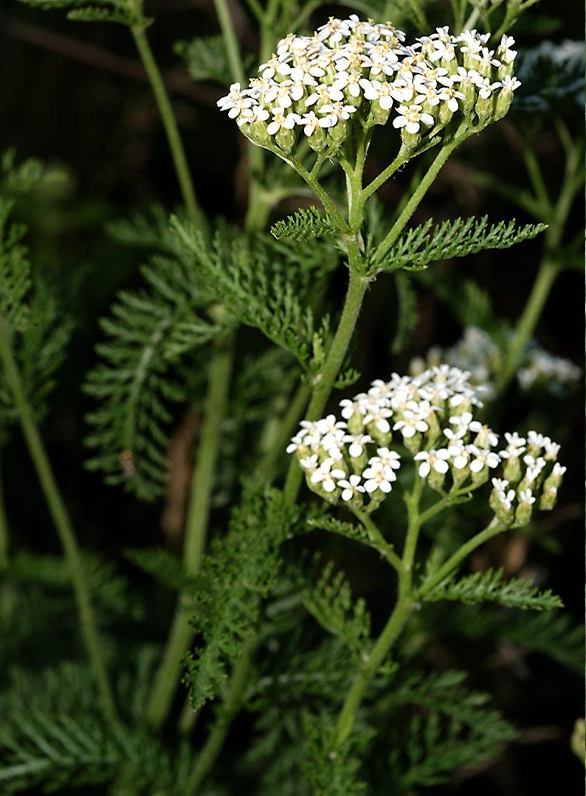
Pamja: Milulfa është një bimë shumëvjeçare që rritet deri në 1 metër (rreth 3 këmbë) e gjatë. Ka gjethe të ndara imët si pendë dhe tufa me lule të vogla, të bardha ose rozë, të cilat çelin gjatë verës. Bima lëshon një aromë të fortë dhe karakteristike, ndërsa lulet e saj rriten në tufa të sheshta.
Habitat: Origjina e milulfës është Evropa dhe Azia, por ajo është përhapur në të gjithë botën dhe mund të gjendet në livadhe barishtore, buzë rrugëve dhe fusha të hapura. Lulëzon në zona me diell dhe toka të drenazhuara mirë.
Pjesa e bimës që përdoret: E gjithë pjesa ajrore e milulfës, duke përfshirë kërcenjtë, gjethet dhe lulet, mblidhet për përdorime medicinale. Bima mund të përdoret e freskët ose e tharë për të krijuar përgatitje si çaje, tinktura ose vajra.
Përdorimet medicinale dhe përfitimet shëndetësore të Barit të Milulfës (Millefolii Herba)
Milulfa është përdorur për shekuj me radhë për vetitë e saj shëruese. Këtu janë përfitimet kryesore të Barit të Milulfës:
Shërimi i plagëve dhe shëndeti i lëkurës
- Promovon shërimin e prerjeve, mavijosjeve dhe problemeve të lëkurës: Milulfa ka veti antiseptike, astrigjente dhe shëruese për plagët, duke e bërë shumë efektive për trajtimin e prerjeve të vogla, gërvishtjeve, mavijosjeve dhe infeksioneve të lëkurës.
- Si funksionon: Milulfa ndihmon në ndalimin e gjakderdhjes duke nxitur koagulimin dhe riparimin e indeve. Përmban achilleinë, që mendohet se nxit mbylljen e plagëve dhe redukton gjakderdhjen. Ajo gjithashtu ka përbërës anti-inflamatorë që ndihmojnë në uljen e ënjtjes dhe skuqjes së lëkurës.
- Si të përdoret: Mund të aplikoni milulfë të freskët direkt në plagë, ose të përgatisni një kompresë ose vaj të infuzuar me milulfë për të nxitur shërimin. Tinktura e milulfës mund të përdoret gjithashtu lokalisht për infeksione të lëkurës.
Efektet anti-inflamatore
- Redukton inflamacionin: Milulfa përdoret shpesh për të ulur inflamacionin në trup, përfshirë gjendjet si artriti, dhimbjet muskulore dhe inflamacionet e nyjeve.
- Si funksionon: Milulfa përmban flavonoide dhe salicilate, të cilat ndihmojnë në uljen e inflamacionit dhe përmirësimin e qarkullimit të gjakut. Këto përbërës ndihmojnë në lehtësimin e kushteve inflamatore si akute ashtu edhe kronike.
- Si të përdoret: Çaji i milulfës mund të ndihmojë në uljen e inflamacioneve të brendshme, ndërsa vaji ose kremi i infuzuar mund të aplikohet lokalisht në muskujt dhe nyjet e dhimbshme.
Shëndeti i tretjes
- Mbështet tretjen dhe lehtëson fryrjet: Milulfa është një barishte e njohur për tretje që mund të ndihmojë në lehtësimin e fryrjeve, dispepsisë dhe gazrave.
- Si funksionon: Milulfa stimulon prodhimin e enzimave të tretjes, të cilat përmirësojnë tretjen dhe reduktojnë shqetësimet. Hidhësia e saj ndihmon gjithashtu në prodhimin e bilës, duke mbështetur tretjen e yndyrnave dhe efikasitetin e përgjithshëm të tretjes.
- Si të përdoret: Çaji i milulfës është një mënyrë e zakonshme për të lehtësuar problemet e tretjes. Ta pini pas vakteve për të përmirësuar tretjen, ulur fryrjet dhe zbutur dispepsinë.
Shëndeti menstrual
- Rregullon ciklet menstruale dhe lehtëson dhimbjet e ciklit: Milulfa është përdorur tradicionalisht për të ndihmuar në rregullimin e cikleve menstruale dhe për të lehtësuar dhimbjet e ciklit.
- Si funksionon: Milulfa ka efekte të lehta antispazmodike dhe balancon hormone, duke ndihmuar në uljen e ngërçeve dhe shqetësimit gjatë menstruacioneve. Gjithashtu ndihmon në shëndetin dhe rregullsinë e mitrës.
- Si të përdoret: Pini çaj milulfë gjatë ciklit menstrual për të ulur dhimbjet dhe për të promovuar rregullsinë. Mund të kombinohet gjithashtu me bimë të tjera si kamomili ose xhenxhefili për një përgatitje më të plotë.
Mbështetja e sistemit imunitar
- Forcon funksionin imunitar: Milulfa ka veti antimikrobike, duke qenë efektive për mbështetjen e sistemit imunitar dhe luftimin e infeksioneve.
- Si funksionon: Milulfa ka veti antivirale, antibakteriale dhe antifungale, të cilat ndihmojnë në mbrojtjen e trupit nga infeksionet. Ajo gjithashtu ka një efekt diaphoretik, që nxit djersitjen dhe mund të ndihmojë në uljen e temperaturës gjatë sëmundjes.
- Si të përdoret: Çaji i milulfës përdoret zakonisht në fazat e hershme të një të ftohuri apo gripi për të nxitur djersitjen dhe mbështetur reagimin imunitar të trupit. Kombinohet gjithashtu me bimë të tjera që rrisin imunitetin si boronica apo echinacea.
Lehtësim i ankthit dhe stresit
- Redukton ankthin dhe qetëson sistemin nervor: Milulfa ka veti të lehta qetësuese, duke e bërë të dobishme për lehtësimin e ankthit, stresit dhe tensionit nervor.
- Si funksionon: Milulfa ka efekte qetësuese mbi sistemin nervor, duke ndihmuar në uljen e tensionit, promovimin e relaksimit dhe balancimin e humorit. Ajo ndihmon në zbutjen e stresit dhe shqetësimeve emocionale.
- Si të përdoret: Çaji i milulfës përpara situatave stresuese ose në mbrëmje mund të ndihmojë në relaksim dhe reduktim të ankthit. Mund të përdoret gjithashtu në kombinim me bimë të tjera qetësuese si livando ose passionflower.
Lehtësim i dhimbjeve
- Lehtëson dhimbjet dhe shqetësimet: Milulfa përdoret shpesh për të lehtësuar dhimbjet, veçanërisht ato të lidhura me ngërçet muskulore, dhimbjet e kokës dhe dhimbjet menstruale.
- Si funksionon: Milulfa ka veti antispazmodike dhe analgjezike që ndihmojnë në uljen e ngërçeve muskulore dhe ofrojnë lehtësim nga dhimbjet. Ajo mund të ndihmojë në menaxhimin e shqetësimeve të shkaktuara nga tensionet, ngërçet dhe kushte të tjera që lidhen me dhimbjet.
- Si të përdoret: Vaji i milulfës ose balsami i infuzuar mund të masazhohet në muskujt dhe nyjet e dhimbshme për lehtësim. Mund të pini gjithashtu çajin e milulfës për lehtësim të dhimbjeve të brendshme.
Metodat e përgatitjes për Barin e Milulfës (Millefolii Herba)
- Çaji i milulfës: Për të bërë çaj milulfë, zieni 1–2 lugë çaji me bar të tharë milulfë në ujë të val
Botanical Characteristics of Yarrow Flowers (Millefolii Flos)
- Appearance: Yarrow is a perennial herb that can grow to about 30-90 cm (1-3 feet) in height. It has feathery, finely divided leaves and flat-topped clusters of small, white or pink flowers that bloom in the summer. The plant has a strong, aromatic scent.
- Habitat: Yarrow is native to Europe and Asia, but it has spread throughout the world and thrives in dry meadows, roadsides, and grassy fields. It is well-suited to sunny and well-drained soils.
- Plant Part Used: The flowers (often referred to as Yarrow Flowers) and aerial parts of the plant are harvested for medicinal use. The flowers are typically used when fresh or dried to create remedies, teas, or extracts.
Medicinal Uses and Health Benefits of Yarrow Flowers (Millefolii Flos)
Yarrow is well-known for its ability to support the immune system, promote wound healing, and offer relief from inflammation. Here are the key health benefits:
- Wound Healing and Skin Care
- Promotes Healing of Cuts and Wounds: Yarrow has a long history of use for wound healing. It is known to help stop bleeding, reduce inflammation, and promote tissue regeneration.
- How It Works: Yarrow contains compounds like achilleine, which help promote clotting and tissue repair. It also has astringent properties, helping to tighten and heal the skin. These properties make yarrow especially effective for small cuts, abrasions, bruises, and minor burns.
- How to Use: You can apply fresh yarrow or yarrow-infused oil directly to the wound, or use yarrow tea in a compress for skin-related healing. For larger wounds, yarrow ointment can be applied to soothe and aid the healing process.
- Anti-inflammatory Effects
- Reduces Inflammation: Yarrow has anti-inflammatory properties, making it helpful for conditions like arthritis, joint pain, and muscle soreness.
- How It Works: Yarrow contains flavonoids and salicylates, which help reduce inflammation and promote blood circulation. This makes it beneficial for relieving both acute and chronic inflammatory conditions.
- How to Use: You can drink yarrow tea to help manage internal inflammation, or use yarrow oil topically on sore muscles and inflamed joints for relief.
- Menstrual Health and Cramp Relief
- Helps Regulate Menstrual Cycles and Relieve Menstrual Cramps: Yarrow is often used to regulate menstrual cycles and ease the discomfort of menstrual cramps.
- How It Works: Yarrow helps to tone the uterus, relieve spasms, and ease the discomfort associated with menstruation. It also has mild antispasmodic properties, which can help reduce cramping during periods.
- How to Use: Drinking yarrow tea before and during your period can help relieve cramping and promote regular menstrual cycles. It is also used in combination with other herbs in menstrual remedies.
- Digestive Health
- Supports Digestion and Relieves Bloating: Yarrow has been traditionally used to help with digestive issues such as bloating, indigestion, and gas.
- How It Works: Yarrow helps stimulate the production of digestive enzymes, which support better digestion and alleviate gastrointestinal discomfort. It also has bitter compounds that encourage bile production and improve fat digestion.
- How to Use: Drinking yarrow tea after meals can help improve digestion and reduce bloating. It can also be included in digestive tonics to relieve gas and indigestion.
- Immune System Support
- Boosts Immune Function: Yarrow is also known for its ability to help strengthen the immune system and fight off infections. It has been traditionally used for conditions such as the common cold, flu, and respiratory infections.
- How It Works: Yarrow is an antimicrobial herb, capable of fighting off bacterial, viral, and fungal infections. It also helps promote sweating, which is beneficial in breaking a fever and promoting detoxification through the skin.
- How to Use: Yarrow tea is commonly used during the early stages of a cold or flu to help induce sweating and support the body’s immune response. It can also be combined with elderflower or ginger for additional immune-boosting effects.
- Antispasmodic and Pain Relief
- Relieves Muscle Spasms and Pain: Yarrow has mild antispasmodic effects, which help relieve muscle spasms and pain. It is often used for conditions such as cramps, headaches, and digestive discomfort.
- How It Works: Yarrow helps to relax the muscles and alleviate tension in both the gastrointestinal system and skeletal muscles. It is also known to be useful for headaches caused by tension or sinus pressure.
- How to Use: A yarrow tea can be used to relieve muscle cramps or headaches. Yarrow tincture or topical oil can be applied to sore or spasming muscles for immediate relief.
- Anxiety and Stress Relief
- Reduces Anxiety and Calms the Nervous System: Yarrow has mild sedative properties and is sometimes used to help with anxiety, stress, and insomnia.
- How It Works: Yarrow’s calming effects help to relax the mind and reduce nervous tension. This makes it a useful herb for those dealing with anxiety or those in need of a calming remedy for stress.
- How to Use: Drinking yarrow tea in the evening or before stressful events can promote relaxation. For more severe cases of anxiety, it may be combined with other calming herbs like chamomile or lavender.
Preparation Methods for Yarrow Flowers (Millefolii Flos)
- Yarrow Tea: To make yarrow tea, steep 1-2 teaspoons of dried yarrow flowers in boiling water for about 10 minutes. You can drink this tea up to 2-3 times a day for digestive support, inflammation relief, or to help with anxiety and stress.
- Yarrow Tincture: A yarrow tincture can be prepared by steeping dried yarrow flowers in alcohol (such as vodka) for several weeks. The tincture can be taken in small doses (a few drops) to support immune health, relieve cramping, or ease pain and inflammation.
- Yarrow Oil: You can create a yarrow-infused oil by steeping yarrow flowers in carrier oil (like olive oil) for several weeks. This oil can be applied to sore muscles, inflamed joints, or wounds to promote healing and relieve pain.
- Yarrow Compress: For wound healing or skin care, you can make a yarrow compress by soaking a clean cloth in yarrow tea and applying it to the affected area.