


We bring the taste to your home
YARROW HERB – (MILEFOLII HERBA)
Botanical Characteristics of Yarrow Herb (Millefolii Herba)
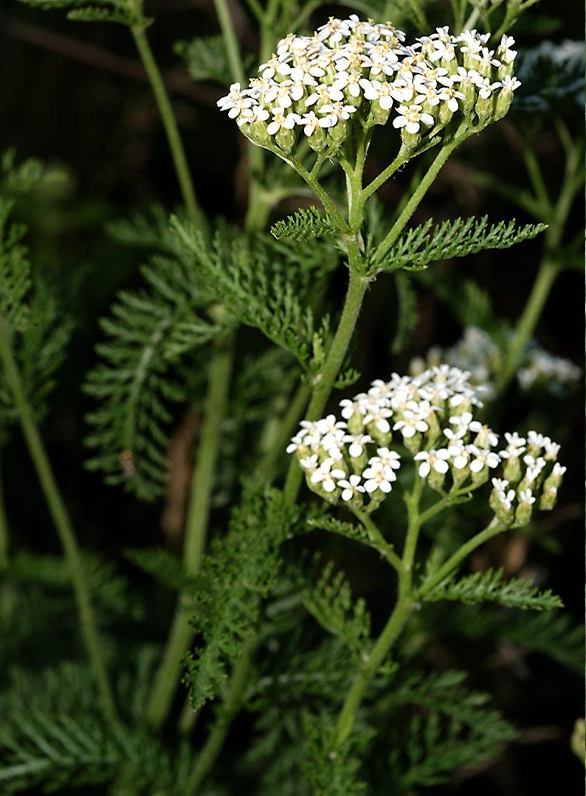
- Appearance: Yarrow is a perennial plant that grows up to 1 meter (about 3 feet) tall. It has feathery, finely divided leaves and clusters of small, white, or pink flowers that bloom in the summer. The plant emits a strong, aromatic scent, and its flowers grow in flat-topped clusters.
- Habitat: Native to Europe and Asia, yarrow has spread worldwide and can be found in grassy meadows, roadsides, and open fields. It thrives in sunny areas with well-drained soil.
- Plant Part Used: The entire aerial part of the yarrow plant, including the stems, leaves, and flowers, is harvested for medicinal use. The herb can be used fresh or dried to create remedies like teas, tinctures, or ointments.
Medicinal Uses and Health Benefits of Yarrow Herb (Millefolii Herba)
Yarrow has been used for centuries for its many healing properties. Here are the key benefits of Yarrow Herb:
- Wound Healing and Skin Health
- Promotes Healing of Cuts, Bruises, and Skin Conditions: Yarrow has antiseptic, astringent, and wound-healing properties, making it highly effective for treating minor cuts, abrasions, bruises, and skin infections.
- How It Works: Yarrow helps stop bleeding by promoting clotting and tissue repair. The plant contains achilleine, which is thought to promote wound closure and reduce bleeding. It also has anti-inflammatory compounds that help reduce swelling and redness in the skin.
- How to Use: You can apply fresh yarrow directly to wounds, or make a yarrow poultice or infused oil to promote healing. Yarrow tincture can also be used topically on skin infections.
- Anti-inflammatory Effects
- Reduces Inflammation: Yarrow is often used to reduce inflammation in the body, including conditions like arthritis, muscle pain, and joint inflammation.
- How It Works: Yarrow contains flavonoids and salicylates, which help to reduce inflammation and support blood circulation. These compounds help alleviate both acute and chronic inflammatory conditions.
- How to Use: Drinking yarrow tea can help reduce internal inflammation, while a yarrow-infused oil or cream can be applied to sore muscles and joints for topical relief.
- Digestive Health
- Supports Digestion and Relieves Bloating: Yarrow is a well-known digestive herb that can help relieve bloating, indigestion, and gas.
- How It Works: Yarrow stimulates the production of digestive enzymes, which support better digestion and reduce discomfort. Its bitterness helps to promote bile production, aiding in the digestion of fats and overall digestive efficiency.
- How to Use: Yarrow tea is a common way to relieve digestive issues. Drinking it after meals can help improve digestion, reduce bloating, and alleviate gas and indigestion.
- Menstrual Health
- Regulates Menstrual Cycles and Alleviates Menstrual Cramps: Yarrow has been traditionally used to help regulate menstrual cycles and ease the discomfort of menstrual cramps.
- How It Works: Yarrow has mild antispasmodic and hormonal balancing effects that can help reduce cramping and discomfort during menstruation. It can also support uterine health and regularity.
- How to Use: Drinking yarrow tea during the menstrual cycle can help reduce cramping and promote regularity. It can also be combined with other herbs like chamomile or ginger for a more comprehensive remedy.
- Immune System Support
- Boosts Immune Function: Yarrow has antimicrobial properties, making it effective for supporting the immune system and fighting infections.
- How It Works: Yarrow has antiviral, antibacterial, and antifungal properties, which help protect the body from infections. It also has a diaphoretic effect, which induces sweating and can help break fevers during an illness.
- How to Use: Yarrow tea is commonly used during the early stages of a cold or flu to promote sweating and support the body’s immune response. It is also combined with other immune-boosting herbs like elderberry or echinacea.
- Anxiety and Stress Relief
- Reduces Anxiety and Calms the Nervous System: Yarrow has mild sedative properties, making it useful for relieving anxiety, stress, and nervous tension.
- How It Works: Yarrow has calming effects on the nervous system, helping to ease tension, promote relaxation, and balance mood. It can help alleviate stress and emotional discomfort.
- How to Use: Drinking yarrow tea before stressful events or in the evening can help promote relaxation and reduce anxiety. It can also be used in combination with other calming herbs like lavender or passionflower.
- Pain Relief
- Alleviates Pain and Discomfort: Yarrow is often used to relieve pain, especially related to muscle cramps, headaches, and menstrual cramps.
- How It Works: Yarrow has antispasmodic and analgesic properties that help reduce muscle spasms and provide pain relief. It can help manage discomfort caused by tension, cramps, and other pain-related conditions.
- How to Use: Yarrow oil or yarrow-infused balm can be massaged into sore muscles and joints for relief. You can also drink yarrow tea for internal pain relief.
Preparation Methods for Yarrow Herb (Millefolii Herba)
- Yarrow Tea: To make yarrow tea, steep 1-2 teaspoons of dried yarrow herb in boiling water for about 10 minutes. Drink up to 2-3 cups daily for digestive support, pain relief, or to support immune health.
- Yarrow Tincture: A yarrow tincture can be prepared by steeping dried yarrow herb in alcohol (such as vodka) for several weeks. The tincture can be taken in small doses to relieve pain, reduce inflammation, or support immune function.
- Yarrow Oil: You can create a yarrow-infused oil by steeping dried yarrow in a carrier oil (such as olive oil) for a few weeks. This oil can be massaged into sore muscles, joints, or areas of inflammation for targeted relief.
- Yarrow Poultice: To treat wounds or bruises, make a yarrow poultice by crushing fresh yarrow leaves and flowers and applying them directly to the affected area.
Botanical Characteristics of Yarrow Flowers (Millefolii Flos)
- Appearance: Yarrow is a perennial herb that can grow to about 30-90 cm (1-3 feet) in height. It has feathery, finely divided leaves and flat-topped clusters of small, white or pink flowers that bloom in the summer. The plant has a strong, aromatic scent.
- Habitat: Yarrow is native to Europe and Asia, but it has spread throughout the world and thrives in dry meadows, roadsides, and grassy fields. It is well-suited to sunny and well-drained soils.
- Plant Part Used: The flowers (often referred to as Yarrow Flowers) and aerial parts of the plant are harvested for medicinal use. The flowers are typically used when fresh or dried to create remedies, teas, or extracts.
Medicinal Uses and Health Benefits of Yarrow Flowers (Millefolii Flos)
Yarrow is well-known for its ability to support the immune system, promote wound healing, and offer relief from inflammation. Here are the key health benefits:
- Wound Healing and Skin Care
- Promotes Healing of Cuts and Wounds: Yarrow has a long history of use for wound healing. It is known to help stop bleeding, reduce inflammation, and promote tissue regeneration.
- How It Works: Yarrow contains compounds like achilleine, which help promote clotting and tissue repair. It also has astringent properties, helping to tighten and heal the skin. These properties make yarrow especially effective for small cuts, abrasions, bruises, and minor burns.
- How to Use: You can apply fresh yarrow or yarrow-infused oil directly to the wound, or use yarrow tea in a compress for skin-related healing. For larger wounds, yarrow ointment can be applied to soothe and aid the healing process.
- Anti-inflammatory Effects
- Reduces Inflammation: Yarrow has anti-inflammatory properties, making it helpful for conditions like arthritis, joint pain, and muscle soreness.
- How It Works: Yarrow contains flavonoids and salicylates, which help reduce inflammation and promote blood circulation. This makes it beneficial for relieving both acute and chronic inflammatory conditions.
- How to Use: You can drink yarrow tea to help manage internal inflammation, or use yarrow oil topically on sore muscles and inflamed joints for relief.
- Menstrual Health and Cramp Relief
- Helps Regulate Menstrual Cycles and Relieve Menstrual Cramps: Yarrow is often used to regulate menstrual cycles and ease the discomfort of menstrual cramps.
- How It Works: Yarrow helps to tone the uterus, relieve spasms, and ease the discomfort associated with menstruation. It also has mild antispasmodic properties, which can help reduce cramping during periods.
- How to Use: Drinking yarrow tea before and during your period can help relieve cramping and promote regular menstrual cycles. It is also used in combination with other herbs in menstrual remedies.
- Digestive Health
- Supports Digestion and Relieves Bloating: Yarrow has been traditionally used to help with digestive issues such as bloating, indigestion, and gas.
- How It Works: Yarrow helps stimulate the production of digestive enzymes, which support better digestion and alleviate gastrointestinal discomfort. It also has bitter compounds that encourage bile production and improve fat digestion.
- How to Use: Drinking yarrow tea after meals can help improve digestion and reduce bloating. It can also be included in digestive tonics to relieve gas and indigestion.
- Immune System Support
- Boosts Immune Function: Yarrow is also known for its ability to help strengthen the immune system and fight off infections. It has been traditionally used for conditions such as the common cold, flu, and respiratory infections.
- How It Works: Yarrow is an antimicrobial herb, capable of fighting off bacterial, viral, and fungal infections. It also helps promote sweating, which is beneficial in breaking a fever and promoting detoxification through the skin.
- How to Use: Yarrow tea is commonly used during the early stages of a cold or flu to help induce sweating and support the body’s immune response. It can also be combined with elderflower or ginger for additional immune-boosting effects.
- Antispasmodic and Pain Relief
- Relieves Muscle Spasms and Pain: Yarrow has mild antispasmodic effects, which help relieve muscle spasms and pain. It is often used for conditions such as cramps, headaches, and digestive discomfort.
- How It Works: Yarrow helps to relax the muscles and alleviate tension in both the gastrointestinal system and skeletal muscles. It is also known to be useful for headaches caused by tension or sinus pressure.
- How to Use: A yarrow tea can be used to relieve muscle cramps or headaches. Yarrow tincture or topical oil can be applied to sore or spasming muscles for immediate relief.
- Anxiety and Stress Relief
- Reduces Anxiety and Calms the Nervous System: Yarrow has mild sedative properties and is sometimes used to help with anxiety, stress, and insomnia.
- How It Works: Yarrow’s calming effects help to relax the mind and reduce nervous tension. This makes it a useful herb for those dealing with anxiety or those in need of a calming remedy for stress.
- How to Use: Drinking yarrow tea in the evening or before stressful events can promote relaxation. For more severe cases of anxiety, it may be combined with other calming herbs like chamomile or lavender.
Preparation Methods for Yarrow Flowers (Millefolii Flos)
- Yarrow Tea: To make yarrow tea, steep 1-2 teaspoons of dried yarrow flowers in boiling water for about 10 minutes. You can drink this tea up to 2-3 times a day for digestive support, inflammation relief, or to help with anxiety and stress.
- Yarrow Tincture: A yarrow tincture can be prepared by steeping dried yarrow flowers in alcohol (such as vodka) for several weeks. The tincture can be taken in small doses (a few drops) to support immune health, relieve cramping, or ease pain and inflammation.
- Yarrow Oil: You can create a yarrow-infused oil by steeping yarrow flowers in carrier oil (like olive oil) for several weeks. This oil can be applied to sore muscles, inflamed joints, or wounds to promote healing and relieve pain.
- Yarrow Compress: For wound healing or skin care, you can make a yarrow compress by soaking a clean cloth in yarrow tea and applying it to the affected area.