


We bring the taste to your home
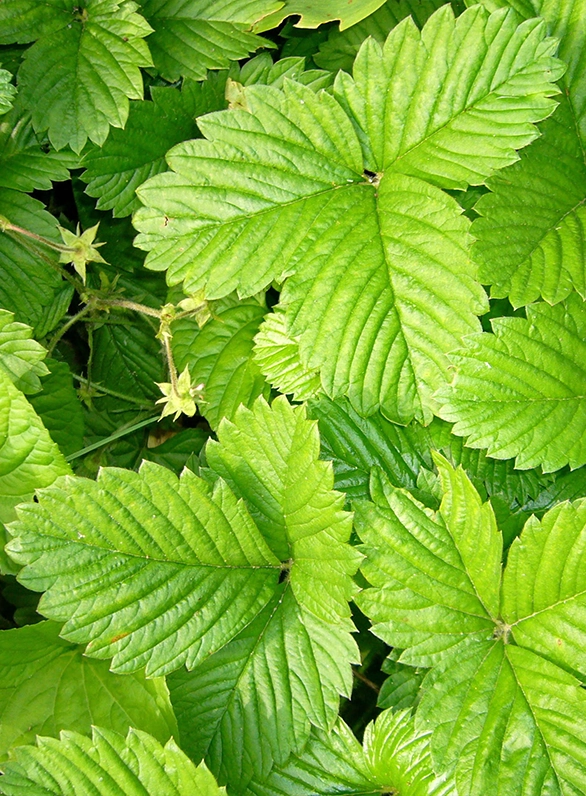
STRAWBERRY LEAVES – (FRAGARIAE FOLIUM)
Strawberry Leaves (Fragariae Folium) come from the common strawberry plant (Fragaria × ananassa) and are highly valued in herbal medicine for their various therapeutic properties. Although the fruit is more widely known and consumed, the leaves of the strawberry plant have been used for centuries due to their beneficial effects on health, particularly in supporting digestive health, inflammation reduction, and skin care.
Botanical Characteristics of Strawberry Leaves
- Appearance: Strawberry leaves are jagged and typically three-lobed, with a rich green color. They grow along the edges of the strawberry plant’s runners and are often used fresh or dried in herbal preparations.
- Parts Used: The leaves of the strawberry plant, which are harvested when the plant is in full growth, are the primary part used for medicinal purposes.
Medicinal Uses and Health Benefits of Strawberry Leaves
Strawberry leaves are packed with vitamins, antioxidants, and other active compounds, making them a valuable herb for promoting general health and treating specific conditions.
- Digestive Health
- Astringent and Tonifying: Strawberry leaves contain tannins, which have astringent properties. This makes them useful in treating diarrhea, dysentery, and other digestive issues, as they can help tighten tissues and reduce excess fluid loss.
- Stomach Soothing: The leaves are also used to soothe the stomach and promote digestion. They can help with indigestion and bloating, easing discomfort in the gastrointestinal tract.
- How to Use: Strawberry leaf tea is a gentle way to help with digestive issues. Steep dried strawberry leaves in hot water for about 10 minutes and drink the tea after meals to aid digestion.
- Anti-inflammatory and Antioxidant Properties
- Reducing Inflammation: Strawberry leaves contain flavonoids and polyphenols, compounds known for their anti-inflammatory and antioxidant effects. These compounds help reduce inflammation throughout the body and protect cells from oxidative stress, which contributes to aging and disease.
- How to Use: Drinking strawberry leaf tea or using strawberry leaf extract can provide anti-inflammatory benefits, which can be helpful for conditions like arthritis or other inflammatory disorders.
- Skin Health
- Astringent and Toning: Due to their astringent properties, strawberry leaves are often used in skin care to tighten and tone the skin. The antioxidants in the leaves also help protect the skin from damage caused by free radicals, promoting healthy, youthful-looking skin.
- Acne Treatment: Strawberry leaves can be used as a topical treatment for acne or skin irritation due to their antibacterial and astringent properties. They help cleanse the skin, reduce redness, and control oil production.
- How to Use: Strawberry leaf infusions can be used as a facial toner. To prepare, steep the dried leaves in hot water, cool the liquid, and apply it to the skin using a cotton pad.
- Diuretic Effect
- Promoting Urination: Strawberry leaves have mild diuretic properties, meaning they can help promote urine production and reduce water retention. This makes them useful for supporting kidney health and detoxifying the body.
- How to Use: Strawberry leaf tea can be consumed regularly to help support kidney function and promote detoxification by increasing urine output.
- Blood Sugar Regulation
- Managing Blood Sugar: Some studies suggest that strawberry leaves may help regulate blood sugar levels, making them beneficial for individuals with diabetes or those looking to manage their blood sugar levels.
- How to Use: Strawberry leaf tea may help with blood sugar control when consumed regularly, but it should be used alongside medical advice for managing diabetes.
- Menstrual Health
- Menstrual Support: Strawberry leaves have been used traditionally to ease menstrual discomfort and promote uterine health. The astringent properties of the leaves may help reduce menstrual bleeding and ease cramps.
- How to Use: Drinking strawberry leaf tea regularly during the menstrual cycle can provide relief from cramps and help reduce excessive menstrual bleeding.
Preparation Methods
- Strawberry Leaf Tea: The most common way to consume strawberry leaves is by making tea. To prepare strawberry leaf tea, use about 1–2 teaspoons of dried strawberry leaves per cup of boiling water. Steep for 5–10 minutes, strain, and drink. You can consume this tea up to three times a day for digestive support, inflammation relief, or general health benefits.
- Strawberry Leaf Tincture: Strawberry leaf tinctures are another way to take advantage of the herb’s benefits. Follow the dosage instructions on the tincture label for appropriate use.
- Topical Use: To use strawberry leaves topically, steep the dried leaves in hot water, then cool the liquid and apply it as a toner for the skin. It can be applied directly to the skin with a cotton pad for acne or skin inflammation.