


We bring the taste to your home
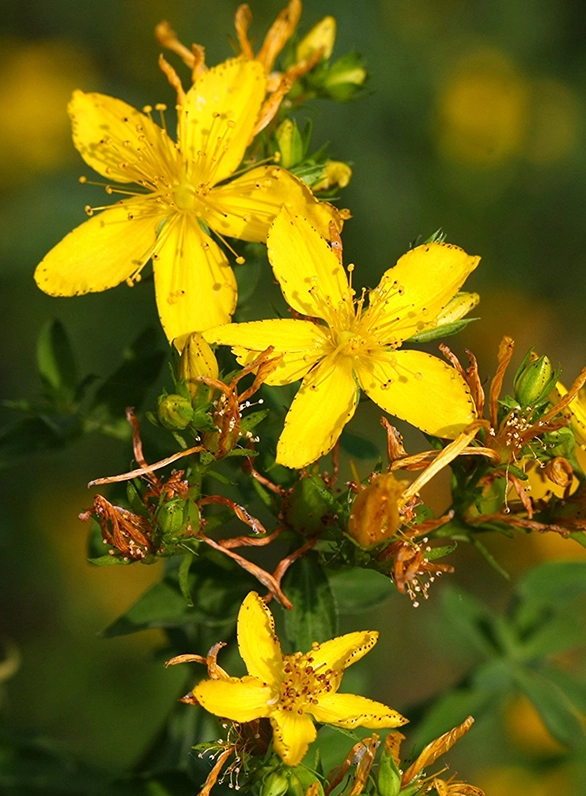
ST.JOH’S WORT – (HYPERICI HERBA)
St. John’s Wort (Hyperici Herba) is a well-known herb derived from the flowering plant Hypericum perforatum. It has been used for centuries in traditional medicine, especially for its beneficial effects on mood, mental health, and overall well-being.
Botanical Characteristics of St. John’s Wort
- Appearance: St. John’s Wort is a hardy, perennial herb that can grow up to 3 feet (1 meter) tall. It has distinct yellow flowers with five petals and tiny black dots on the edges, which are characteristic of the plant. The leaves are opposite, oval, and have translucent dots that are visible when held up to light.
- Parts Used: The aerial parts of the plant—flowers, leaves, and stems—are used in medicinal preparations. These parts are typically harvested when the plant is in full bloom, during the summer months.
Medicinal Uses and Health Benefits of St. John’s Wort
St. John’s Wort is primarily known for its use in improving mood and mental health, but it has a range of other medicinal benefits as well. The active compounds in the herb, such as hypericin and hyperforin, are believed to contribute to its therapeutic effects.
- Mood Enhancement and Depression Relief
- Natural Antidepressant: St. John’s Wort is one of the most widely used herbal remedies for mild to moderate depression. It is believed to work by increasing the levels of serotonin, dopamine, and norepinephrine in the brain—neurotransmitters that play a key role in mood regulation.
- How It Works: The active compound hyperforin has been shown to help block the reuptake of serotonin, while hypericin is thought to have a role in modulating brain pathways involved in mood. Together, these compounds help improve mood and alleviate symptoms of depression.
- How to Use: St. John’s Wort is commonly consumed as capsules, tablets, tea, or tinctures. The dosage can vary depending on the form, but typical doses for treating mild depression range from 300 to 900 mg per day.
- Anxiety and Stress Relief
- Alleviates Anxiety: In addition to treating depression, St. John’s Wort is also beneficial for reducing symptoms of anxiety. It may help calm the nervous system, reduce feelings of restlessness, and improve overall emotional stability.
- How It Works: Similar to its effects on depression, St. John’s Wort increases serotonin levels in the brain, which can help reduce symptoms of anxiety and stress.
- How to Use: Taking St. John’s Wort in the form of a tincture or capsule may help relieve stress and promote relaxation. It is often used as part of a holistic approach to managing stress, combined with lifestyle changes and other calming herbs like valerian or passionflower.
- Supports Sleep and Reduces Insomnia
- Improves Sleep Quality: By helping to balance mood and reduce anxiety, St. John’s Wort can promote better sleep. Its calming effects may help people who suffer from insomnia or disrupted sleep due to anxiety or depression.
- How to Use: Taking St. John’s Wort in the evening, either as tea or capsules, may help to promote restful sleep. For some individuals, it may take a few weeks of regular use before sleep improvements are noticeable.
- Anti-inflammatory and Antioxidant Properties
- Reduces Inflammation: St. John’s Wort contains compounds with anti-inflammatory effects. It may help reduce inflammation in conditions like arthritis or inflammatory skin conditions.
- Antioxidant Benefits: The herb also contains antioxidants that protect the body from oxidative damage caused by free radicals, which can contribute to chronic conditions and aging.
- How to Use: St. John’s Wort may be used topically for inflammatory skin conditions, like burns or minor wounds, and internally to support overall health. However, it is typically most effective when used for mental health purposes.
- Topical Uses
- Skin Healing: St. John’s Wort has been used in traditional medicine as a remedy for burns, wounds, cuts, and other minor skin irritations. St. John’s Wort oil, made by infusing the flowers in olive oil, is commonly applied to the skin to soothe and heal these conditions.
- How to Use: The oil can be applied directly to minor burns or wounds. It is also sometimes included in skincare products for its anti-inflammatory and healing properties.
Preparation Methods
- St. John’s Wort Tea: To make St. John’s Wort tea, steep 1–2 teaspoons of dried flowers or leaves in boiling water for 10 minutes. Drink 1–2 cups per day, depending on the severity of the symptoms you are treating.
- Tincture: A St. John’s Wort tincture is a concentrated liquid extract made by soaking the herb in alcohol or glycerin. The typical dosage for tincture is 20–30 drops, 2–3 times daily. This is a fast-absorbing way to benefit from the herb’s effects on mood and mental health.
- Capsules or Tablets: Standardized capsules or tablets are often used to deliver a more consistent dose. The typical dose ranges from 300–900 mg per day, depending on the form and concentration.
- Topical Oil: St. John’s Wort oil can be made by infusing the flowers in olive oil, or it is available commercially. It can be applied directly to the skin for conditions like burns, wounds, or minor rashes.