


We bring the taste to your home
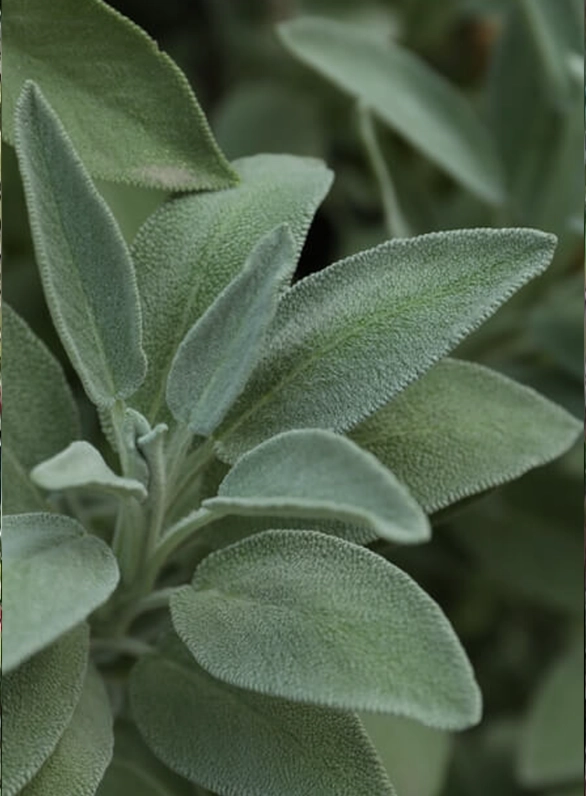
SAGE OFF.LEAVES – (SALVIAE OFF. FOLIUM)
Sage (Salvia officinalis) is a perennial herb from the Lamiaceae family, native to the Mediterranean region. Known for its aromatic, earthy flavor, sage has been used both as a culinary herb and for its medicinal properties for centuries. Sage officinalis Folium refers to the leaves of the sage plant, which are highly valued for their therapeutic benefits.
Botanical Characteristics of Sage (Salvia officinalis)
- Appearance: Sage has woody stems with soft, gray-green leaves that are covered in fine hairs. The leaves are elongated and lance-shaped, with a slightly wrinkled texture. The plant can grow to a height of 30-75 cm (1-2.5 feet) and produces spikes of small purple, blue, or white flowers in late spring or early summer.
- Habitat: Sage thrives in dry, well-drained soils and full sun. It is native to the Mediterranean region but is widely cultivated in temperate climates around the world, including herb gardens and agricultural plots.
- Plant Part Used: The aerial parts, specifically the leaves, are used for medicinal purposes. Sage leaves are harvested just before the plant begins to flower, usually in late spring to early summer, to ensure the highest concentration of beneficial compounds.
Medicinal Uses and Health Benefits of Sage (Salvia officinalis Folium)
Sage is prized for its medicinal properties, which include anti-inflammatory, antioxidant, and antimicrobial effects. It is often used to treat various ailments, ranging from digestive issues to cognitive health.
Cognitive Health
- Improves Memory and Mental Clarity: Sage has been traditionally used to improve cognitive function and mental clarity, and recent studies have suggested that it may enhance memory and concentration.
- How It Works: Sage contains compounds such as rosmarinic acid and flavonoids that are believed to protect brain cells from oxidative damage. It may also inhibit the breakdown of acetylcholine, a neurotransmitter important for learning and memory.
- How to Use: Drinking sage tea or taking sage supplements has been shown to have positive effects on memory and brain function, particularly in people with early stages of Alzheimer’s disease.
Antioxidant Properties
- Fights Free Radicals: Sage is rich in antioxidants, including rosmarinic acid and other polyphenolic compounds, which help protect cells from oxidative stress caused by free radicals.
- How It Works: The antioxidants in sage help reduce cellular damage, which is linked to aging and the development of chronic diseases such as heart disease, diabetes, and cancer.
- How to Use: Sage tea or sage extracts can be used to provide antioxidant protection, supporting overall health and reducing the risk of oxidative damage.
Anti-inflammatory Effects
- Reduces Inflammation: Sage has significant anti-inflammatory properties, which can help alleviate conditions such as arthritis, muscle pain, and other inflammatory disorders.
- How It Works: Sage compounds, such as flavonoids and terpenoids, inhibit the production of pro-inflammatory molecules in the body, helping to reduce swelling and pain.
- How to Use: Sage tea, tinctures, or essential oil can be consumed or applied topically to relieve inflammation in conditions like arthritis or muscle soreness.
Digestive Health
- Aids Digestion and Relieves Gas: Sage has long been used to support digestion, reduce bloating, and relieve gas and indigestion.
- How It Works: Sage stimulates the production of digestive enzymes and bile, helping the digestive process and alleviating symptoms of indigestion. It also has carminative properties, which help expel excess gas from the intestines.
- How to Use: Drinking sage tea after meals can help promote healthy digestion and ease symptoms of indigestion or bloating.
Antibacterial and Antifungal Properties
- Fights Infections: Sage has powerful antibacterial and antifungal properties, making it effective against a variety of infections, particularly in the respiratory and digestive systems.
- How It Works: Sage’s essential oils, including thujone and camphor, have antimicrobial effects that help kill harmful bacteria and fungi. Sage has been shown to fight pathogens like E. coli, Staphylococcus aureus, and Candida species.
- How to Use: Sage tea or sage essential oil can be used to treat throat infections, while topical sage oil can help with skin infections and fungal conditions like athlete’s foot.
Respiratory Health
- Soothes Throat and Eases Cough: Sage has been traditionally used to soothe sore throats, reduce coughs, and ease other respiratory symptoms like congestion.
- How It Works: The anti-inflammatory and antimicrobial properties of sage help reduce irritation in the throat, clear mucus, and calm coughing. It can also help treat symptoms of bronchitis and sinusitis.
- How to Use: Sage tea, throat gargles with sage extract, or steam inhalation of sage can help alleviate symptoms of respiratory infections.
Hormonal Balance
- Supports Menstrual Health: Sage has mild estrogenic effects and has been traditionally used to balance hormones, particularly for women’s health issues such as menstrual cramps and menopause symptoms.
- How It Works: Sage can help regulate hormone levels, reduce hot flashes, and ease symptoms of PMS by promoting better hormone balance.
- How to Use: Sage tea or tincture can be consumed to help manage hormonal fluctuations and menstrual discomfort.
Preparation Methods for Sage (Salvia officinalis Folium)
- Sage Tea: The most common way to use sage medicinally is by making sage tea.
- Preparation: Steep 1-2 teaspoons of dried sage leaves in hot water for 5-10 minutes. Drink 1-2 cups per day to benefit from its digestive, anti-inflammatory, and cognitive-enhancing properties.
- Sage Tincture: A tincture can be made by soaking fresh sage leaves in alcohol (such as vodka or ethanol) for 2-4 weeks. Take 10-20 drops per dose to support immune function or to alleviate inflammation.
- Sage Capsules or Extracts: Sage capsules or standardized extracts are available for those who prefer a more convenient option. Follow the dosage instructions provided on the label.
- Sage Essential Oil: Sage essential oil is extracted from the leaves of the plant and can be used topically (diluted with a carrier oil) or in steam inhalation. It can also be used in aromatherapy to reduce anxiety and improve cognitive function.
- Sage Gargle: For sore throat relief, you can make a sage gargle by boiling sage leaves in water, letting it cool, and using it as a mouthwash or throat rinse several times a day.