


We bring the taste to your home
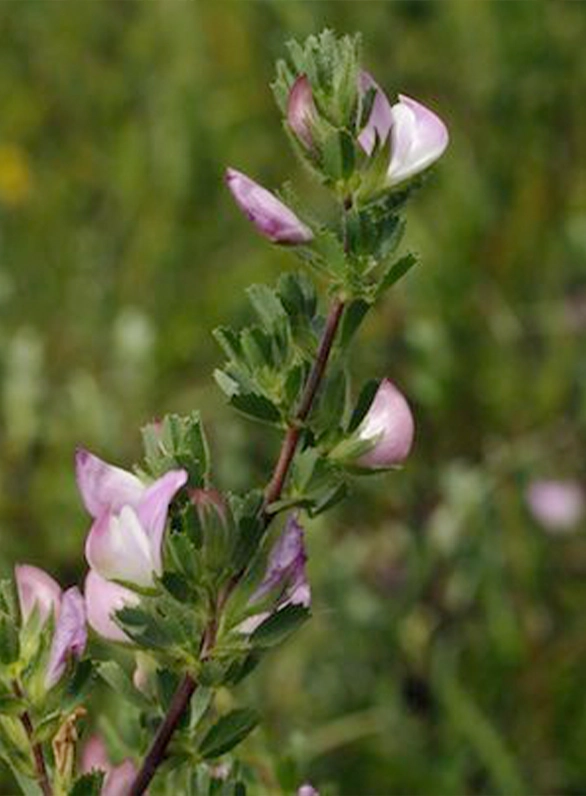
RESTHARROW ROOT – (ONONIDIS RADIX)
Restharrow Root (Ononidis Radix) is the root of the Restharrow plant, scientifically known as Ononis spinosa, a shrub that grows in Mediterranean regions and parts of Asia. Restharrow is a well-known herb in traditional medicine, primarily used for its diuretic, anti-inflammatory, and urinary health benefits.
Botanical Characteristics of Restharrow (Ononis Spinosa)
- Appearance: Restharrow is a spiny shrub that can grow up to 1 meter (3 feet) tall. The plant has thorny branches, greenish leaves, and beautiful pink or purple flowers that bloom in the summer. Its roots are fleshy, long, and yellowish-brown in color, making them the part of the plant most commonly used for medicinal purposes.
- Habitat: The plant is found in Mediterranean regions, including Southern Europe, North Africa, and parts of Asia. It thrives in dry, rocky soils and often grows in areas with low vegetation, such as grasslands, heaths, and scrubland.
- Plant Part Used: The medicinal part of the Restharrow plant is the root. The root is harvested, dried, and used in various forms such as powder, tincture, or tea.
Medicinal Uses and Health Benefits of Restharrow Root (Ononidis Radix)
Restharrow root has a long history of use in herbal medicine for its supportive effects on urinary tract health, inflammation, and digestion. Here are the primary medicinal uses of Restharrow root:
- Diuretic and Kidney Health
- Supports Urinary Health: Restharrow root is best known for its diuretic effects, which help increase urine production and promote detoxification of the body.
- How It Works: The root contains saponins and flavonoids, which stimulate kidney function and promote the excretion of excess water and toxins through the urinary system. This diuretic effect can be helpful for individuals dealing with fluid retention, kidney stones, or urinary tract infections (UTIs).
- How to Use: Restharrow root tea can be consumed to support urinary health. Drinking the tea can help to flush out toxins from the kidneys, relieve swelling, and promote the proper functioning of the urinary tract.
- Anti-inflammatory Effects
- Reduces Inflammation: Restharrow root has anti-inflammatory properties, which can help reduce symptoms related to inflammatory conditions, such as arthritis, gout, or rheumatism.
- How It Works: The active compounds in Restharrow root, including flavonoids and saponins, help reduce swelling and pain by inhibiting the inflammatory response in the body. This makes Restharrow root useful in managing chronic inflammatory conditions.
- How to Use: Restharrow root tincture or tea can be used regularly to help reduce joint inflammation, pain, and the discomfort associated with inflammatory diseases.
- Urinary Tract Infections (UTIs)
- Helps Prevent UTIs: The diuretic and antimicrobial properties of Restharrow root make it beneficial in preventing and treating urinary tract infections (UTIs).
- How It Works: By increasing urine output, Restharrow root helps flush out bacteria from the urinary tract, reducing the chances of infection. Its antimicrobial properties further help combat the bacteria that may cause bladder infections or urethritis.
- How to Use: Drinking Restharrow root tea or taking Restharrow root tincture can help prevent UTIs or reduce their severity if they occur.
- Digestive Health
- Promotes Digestion: Restharrow root is also traditionally used to support digestive health. It helps in relieving issues like bloating, indigestion, and constipation.
- How It Works: The root acts as a mild laxative, helping to promote regular bowel movements and alleviate constipation. It also has carminative properties, which means it can help relieve gas and bloating by soothing the digestive tract.
- How to Use: Restharrow root tea or a Restharrow root tincture can be taken after meals to improve digestion, relieve discomfort from indigestion, and help with constipation.
- Skin Health
- Supports Healthy Skin: Restharrow root has anti-inflammatory and antioxidant properties, which can be beneficial for skin health, particularly in conditions like eczema or psoriasis.
- How It Works: The root helps reduce inflammation and itching associated with skin conditions. The antioxidants in Restharrow root also protect the skin from oxidative stress, which is a contributing factor in skin aging and the development of certain skin conditions.
- How to Use: While Restharrow root tea is typically consumed internally, a topical application of Restharrow root decoction (boiled extract) can be used to soothe irritated skin or inflammatory skin conditions.
- Respiratory Health
- Relieves Respiratory Issues: Restharrow root is occasionally used in traditional medicine to help with respiratory health, especially for conditions like bronchitis or coughs.
- How It Works: The anti-inflammatory properties of Restharrow root may help reduce inflammation in the lungs and airways, easing symptoms of respiratory conditions.
- How to Use: Drinking Restharrow root tea can help soothe the airways and promote better respiratory health.
Preparation Methods for Restharrow Root (Ononidis Radix)
- Restharrow Root Tea: The most common method of using Restharrow root is by making tea.
- To prepare, steep 1-2 teaspoons of dried Restharrow root in hot water for about 10-15 minutes. Drink 1-2 cups a day for urinary support and anti-inflammatory benefits.
- Restharrow Root Tincture: A tincture of Restharrow root can be made by soaking dried root in alcohol (such as vodka) for 2-4 weeks. Use a few drops (15-30 drops) of tincture in water or juice 2-3 times a day for diuretic and anti-inflammatory effects.
- Restharrow Root Powder: The dried root can also be ground into a powder and incorporated into capsules or smoothies. Follow dosage recommendations based on the specific preparation used.
- Restharrow Root Decoction: Boil the dried root in water to create a decoction for topical use or for a stronger infusion.