


We bring the taste to your home
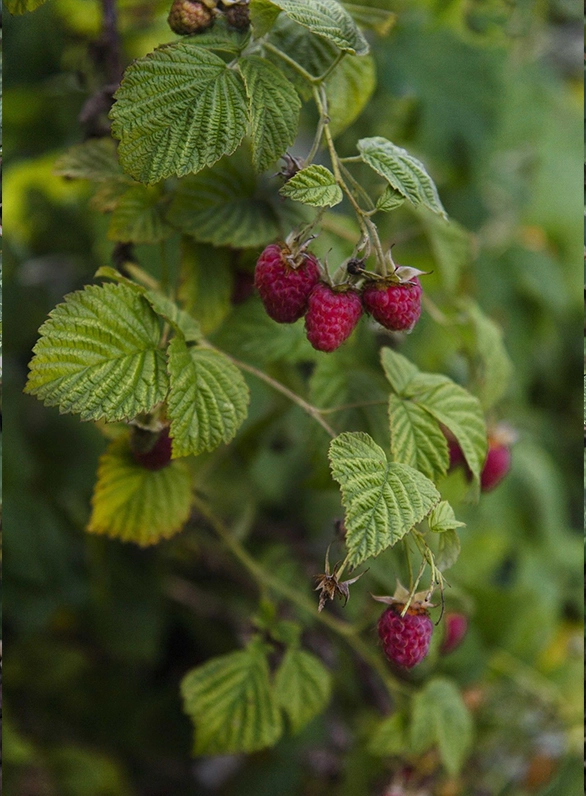
RASPBERRY LEAVES – (RUBI IDAEI FOLIUM)
Raspberry Leaves (Rubi idaei Folium) are the leaves of the red raspberry plant (Rubus idaeus), which is well-known for its fruit. While the fruit is widely used in food and beverages, the leaves have been used in traditional medicine for centuries, particularly in herbal teas. Here’s a detailed look at its medicinal uses:
Medicinal Properties & Uses
- Rich in Nutrients:
- Raspberry leaves are high in vitamins (particularly vitamin C, vitamin E, and some B vitamins), minerals (like magnesium, calcium, and iron), and antioxidants. These nutrients contribute to overall health and well-being.
- Supports Digestive Health:
- Raspberry leaf tea is often used to soothe the digestive system. It may help with symptoms of indigestion, nausea, and diarrhea.
- It also contains tannins, which are known for their astringent properties that can help tighten tissues, reduce inflammation, and prevent infection in the digestive tract.
- Women’s Health:
- Raspberry leaf is most commonly known for its use in supporting women’s reproductive health, especially in pregnancy. It is believed to tone the uterus, preparing it for labor and reducing the risk of complications.
- It’s often recommended during the third trimester of pregnancy to strengthen the uterine muscles and promote smoother labor.
- The leaves are also used to regulate menstrual cycles and reduce symptoms of menstruation like cramps and heavy bleeding.
- Supports Immune System:
- Raspberry leaf tea is often used to boost the immune system due to its high vitamin C content and antioxidant properties. It may help protect against colds and flu.
- Anti-inflammatory Effects:
- Raspberry leaves contain flavonoids, which are compounds with anti-inflammatory properties. This makes raspberry leaf tea potentially useful for soothing conditions such as sore throats, swollen gums, and other inflammatory ailments.
- Cleansing and Detoxification:
- The leaves have natural diuretic properties, which can help the body get rid of excess water and toxins. This makes it beneficial for individuals who want to detoxify or reduce water retention.
Common Forms of Use
- Tea: Raspberry leaf tea is the most common way to consume this herb. The dried leaves are steeped in hot water.
- Tincture: Liquid extract from the leaves, which can be taken in small doses.
- Capsules/Tablets: Available in supplement form for convenience.
Potential Benefits During Pregnancy
- Raspberry leaf is widely recommended for pregnant women in the later stages of pregnancy (typically after the 32nd week) to prepare for labor. It’s believed to:
- Tone the uterus
- Shorten the length of labor
- Reduce the risk of complications during birth
- Help prevent excessive bleeding postpartum
However, pregnant women should consult a healthcare provider before using raspberry leaf, as excessive use or early use (before the 32nd week) may have different effects.