


We bring the taste to your home
NETTLE ROOT TOT – (URTICAE RADIX TOT)
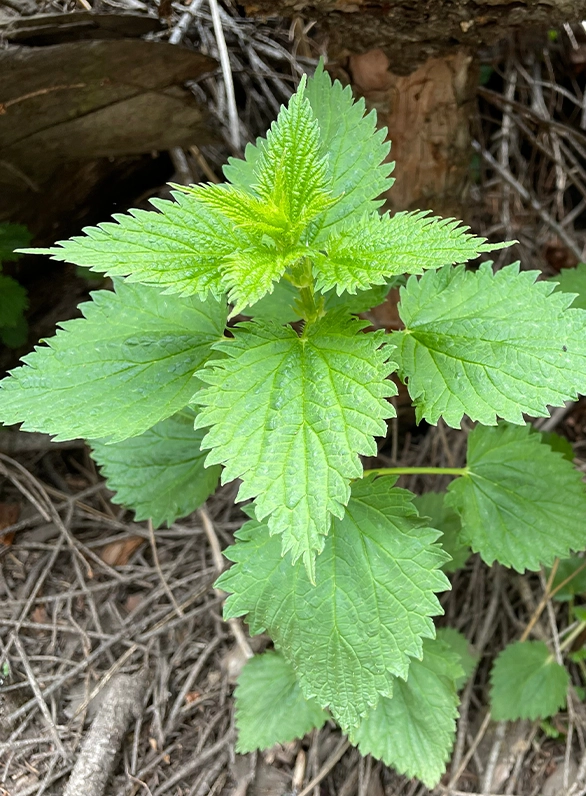
Nettle Root (Urticae Radix Tot), also known as Urtica dioica or Stinging Nettle, is an herbaceous plant that belongs to the Urticaceae family. Native to Europe, Asia, and North America, the nettle plant is commonly recognized for its stinging hairs, which cause a burning sensation on the skin. However, its root has a long history of medicinal use, offering a range of health benefits, particularly for prostate health and inflammation.
Botanical Characteristics of Nettle Root (Urticae Radix Tot)
Appearance: Nettle root is part of the larger nettle plant, which typically grows to about 30 to 120 cm (12 to 47 inches) in height. The plant has jagged, serrated leaves, and tiny, green flowers. The root system is extensive and fibrous, and it is often harvested in the fall when the plant’s energy is concentrated in the roots.
Habitat: Nettle grows in damp, fertile soils and is commonly found in woodlands, meadows, and riverbanks. It thrives in areas with moderate sunlight and moist, well-drained soil. The root is the main part of the plant used medicinally, harvested after the plant matures in late autumn.
Plant Part Used: The root of the nettle plant (Urticae Radix Tot) is used for medicinal purposes, primarily for its anti-inflammatory and prostate health benefits. It is typically harvested in the fall, after the plant has matured, and dried for use in teas, capsules, or tinctures.
Medicinal Uses and Health Benefits of Nettle Root (Urticae Radix Tot)
Nettle root is known for its therapeutic effects, especially in treating benign prostatic hyperplasia (BPH), a condition affecting the prostate. Beyond prostate health, nettle root offers a variety of other medicinal benefits.
Prostate Health
Supports Prostate Health: Nettle root is widely known for its ability to help manage symptoms of benign prostatic hyperplasia (BPH), a non-cancerous enlargement of the prostate gland, which affects many men as they age.
- How It Works: The active compounds in nettle root, particularly lignans and phytosterols, help reduce the growth of prostate cells and relieve urinary symptoms associated with BPH, such as frequent urination and difficulty starting urination.
- How to Use: Nettle root can be taken in the form of a tea, capsule, or tincture to improve prostate health and alleviate urinary discomfort.
Anti-inflammatory Effects
Reduces Inflammation: Nettle root has strong anti-inflammatory properties, making it effective for treating inflammatory conditions like arthritis.
- How It Works: Nettle root helps to reduce the production of inflammatory cytokines in the body, which can relieve joint pain, swelling, and other symptoms of inflammation.
- How to Use: Nettle root tea or supplements can be used regularly to reduce inflammation. It may also be applied topically in the form of a poultice to alleviate localized pain and swelling in muscles and joints.
Urinary Health
Supports Urinary Function: Nettle root is a mild diuretic and is often used to support urinary tract health, particularly in men with BPH.
- How It Works: Nettle root increases urine flow and helps to cleanse the kidneys and bladder by promoting the elimination of excess fluids and waste products.
- How to Use: Consuming nettle root tea or tincture can promote healthy urinary function and support the treatment of urinary tract infections (UTIs) and bladder issues.
Antioxidant Properties
Protects Against Oxidative Stress: Nettle root is rich in antioxidants, which help protect the body’s cells from free radical damage and reduce the risk of chronic diseases.
- How It Works: The flavonoids and polyphenolic compounds in nettle root neutralize free radicals, reducing oxidative stress and helping to prevent conditions like heart disease and cancer.
- How to Use: Regular consumption of nettle root in tea or capsule form can provide antioxidant protection and support long-term health.
Hair Growth Support
Promotes Healthy Hair Growth: Nettle root is sometimes used to support hair health, particularly for thinning or balding hair.
- How It Works: The nutrients and compounds in nettle root help to strengthen hair follicles, improve circulation to the scalp, and regulate the hormones that influence hair growth.
- How to Use: Nettle root is used in topical applications like shampoos or hair tonics, as well as in oral supplements to promote stronger and healthier hair growth.
Preparation Methods for Nettle Root (Urticae Radix Tot)
Nettle root can be used in a variety of forms for both medicinal and health-supporting purposes. Here are some common methods of preparation:
Nettle Root Tea:
- Preparation: To make nettle root tea, steep 1 to 2 teaspoons of dried nettle root in hot water for about 10 to 15 minutes. This tea can be consumed up to twice daily for its prostate health benefits, anti-inflammatory effects, and urinary support.
- How to Use: Drink the tea regularly to alleviate urinary symptoms, reduce inflammation, or support overall prostate health.
Nettle Root Capsules or Tablets:
- Preparation: Nettle root is available in capsule or tablet form, offering a convenient way to consume the herb for its health benefits.
- How to Use: Follow the recommended dosage on the supplement packaging for prostate health, inflammation, or urinary support.
Nettle Root Tincture:
- Preparation: Nettle root tincture can be made by soaking the dried roots in alcohol (such as vodka or ethanol) for 2 to 4 weeks, then straining the mixture.
- How to Use: Take 20 to 30 drops of nettle root tincture in water or juice 2 to 3 times per day to support prostate health, reduce inflammation, or improve urinary function.
Topical Use for Hair Growth:
- Preparation: Nettle root can be added to shampoos or made into a hair tonic.
- How to Use: Massage the topical solution into the scalp to improve circulation, strengthen hair follicles, and potentially support hair growth.