


We bring the taste to your home
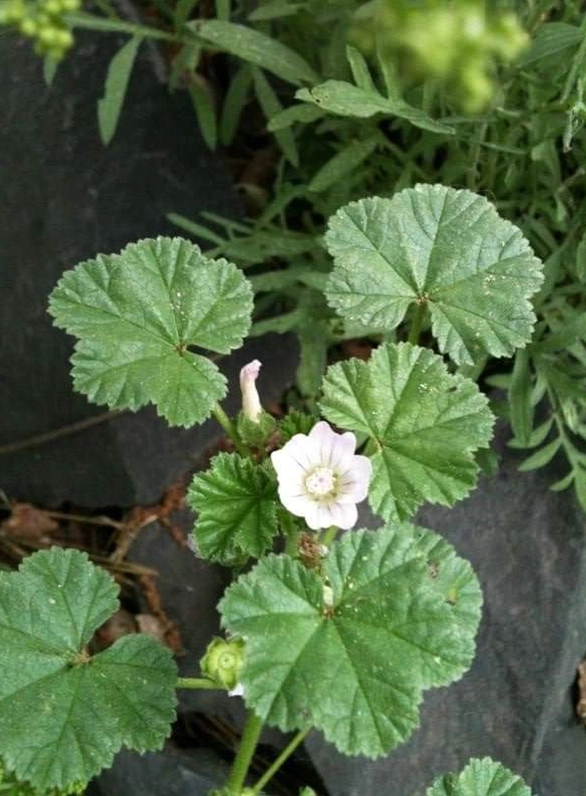
MALLOW COMMON LEAVES – (MALVAE FOLIUM)
Mallow Common Leaves (Malvae Folium) come from the Common Mallow plant (Malva sylvestris), which is a member of the Malvaceae family. Like the flowers, the leaves of this plant have been used for centuries in traditional herbal medicine for their soothing and healing properties. The leaves are often harvested and used for their anti-inflammatory, emollient, and demulcent qualities, which are beneficial for treating a variety of conditions, particularly those affecting the skin, digestive system, and respiratory system.
Botanical Characteristics of Mallow Common Leaves (Malvae Folium)
- Appearance: Mallow leaves are round or heart-shaped, with toothed or lobed edges. The leaves are typically dark green and have a velvety texture due to the fine hairs on the surface. The plant itself can grow up to 1 meter (3 feet) in height, with the leaves arranged alternately along the stem.
- Plant Type: The Common Mallow is a herbaceous perennial that blooms with large, pink or purple flowers in late spring or summer. The leaves grow throughout the plant and are often used in herbal preparations.
Medicinal Uses and Health Benefits of Mallow Common Leaves (Malvae Folium)
Mallow leaves are prized for their soothing, anti-inflammatory, and moisturizing properties. They have been used in various forms, such as teas, poultices, and topical applications, to treat a range of health issues.
- Soothing and Anti-inflammatory Effects
- Relieves Irritation: Mallow leaves contain mucilage, a gelatinous substance that coats and soothes inflamed tissues, making them helpful for conditions such as coughs, sore throats, irritable bowel syndrome (IBS), and skin irritations.
- How It Works: The mucilage in the leaves forms a protective layer over mucous membranes, reducing inflammation and irritation.
- How to Use: Mallow leaf tea or an infusion made from mallow leaves can be consumed to help soothe digestive or respiratory discomfort. Mallow leaf compresses can be applied to irritated skin or inflamed areas.
- Respiratory Health
- Relieves Coughs and Respiratory Irritations: The mucilage in mallow leaves is particularly beneficial for soothing the throat and respiratory tract. It helps reduce dry coughs, bronchitis, and asthma symptoms by moisturizing and calming irritated airways.
- How It Works: Mallow leaves form a soothing barrier that reduces inflammation in the throat, making it easier to breathe and reducing the urge to cough. This also helps clear mucus from the respiratory system.
- How to Use: Mallow leaf tea is commonly used to relieve symptoms of a cough or respiratory irritation. The tea should be sipped slowly to allow it to coat the throat and airways.
- Digestive Health
- Supports Digestion and Eases Constipation: Mallow leaves are gentle on the digestive system and are often used to help soothe the stomach, alleviate gastritis, and relieve constipation.
- How It Works: The mucilage in the leaves helps to coat the digestive tract, easing irritation and inflammation. This soothing effect can help relieve symptoms of acid reflux, indigestion, and irritable bowel syndrome (IBS).
- How to Use: Drinking mallow leaf tea after meals can help promote digestion and soothe any stomach discomfort. It can also support regular bowel movements by helping to ease constipation.
- Skin Health and Healing
- Treats Skin Irritations and Wounds: Mallow leaves can be applied topically to soothe skin irritations, cuts, scrapes, and conditions like eczema or dermatitis. The leaves have anti-inflammatory and antioxidant properties, which help calm inflammation and promote healing.
- How It Works: The mucilage in mallow leaves helps to keep the skin hydrated and forms a protective barrier to prevent further irritation. Additionally, the flavonoids in the leaves have antioxidant effects, helping to reduce oxidative stress on the skin.
- How to Use: A mallow leaf poultice (made by crushing or mashing fresh leaves) can be applied to irritated or inflamed skin. Alternatively, an infusion made from dried mallow leaves can be used as a soothing skin wash.
- Urinary Health
- Supports the Urinary Tract: Mallow leaves can help promote urinary health by acting as a diuretic, which supports the elimination of waste through the urine. They can also help soothe inflammation in the urinary tract, making them useful for treating urinary tract infections (UTIs) or bladder irritation.
- How It Works: The diuretic effects of mallow leaves help to flush out toxins and bacteria from the urinary system, promoting better kidney and bladder health. The soothing properties of the leaves help reduce discomfort or irritation in the urinary tract.
- How to Use: Drinking mallow leaf tea regularly may help prevent or alleviate urinary discomfort. It can be particularly helpful when combined with other urinary herbs like cornsilk or bearberry.
- Antioxidant and Anti-inflammatory Effects
- Reduces Inflammation and Oxidative Stress: The flavonoids, phenolic acids, and antioxidants present in mallow leaves help protect cells from oxidative damage, reduce inflammation, and support overall health.
- How It Works: The antioxidants in mallow leaves neutralize free radicals that cause oxidative damage in the body, protecting tissues from chronic diseases such as heart disease, cancer, and diabetes.
- How to Use: Regular consumption of mallow leaf tea can help promote overall health and provide antioxidant protection.
Preparation Methods for Mallow Common Leaves (Malvae Folium)
- Mallow Leaf Tea: To prepare mallow leaf tea, use about 1-2 teaspoons of dried mallow leaves and steep them in hot water for about 10-15 minutes. This tea can be consumed to soothe the throat, digestive system, or skin. You can drink it 1-2 times a day, depending on your needs.
- Mallow Leaf Infusion: Mallow leaves can be infused in cold water overnight to create a gentle, soothing infusion. This can be drunk the next morning or used as a skin wash to treat irritated skin or wounds.
- Mallow Poultice: To create a mallow leaf poultice, crush or mash fresh mallow leaves until they form a paste-like consistency. This can be applied directly to skin irritations, cuts, or sores. The poultice should be left on the affected area for 20-30 minutes and can be repeated several times a day.
- Mallow Leaf Tincture: For a more concentrated form, mallow leaf tinctures can be made by steeping dried leaves in alcohol or glycerin for several weeks. The tincture can be used as a remedy for digestive issues, skin irritations, or respiratory discomfort.