


We bring the taste to your home
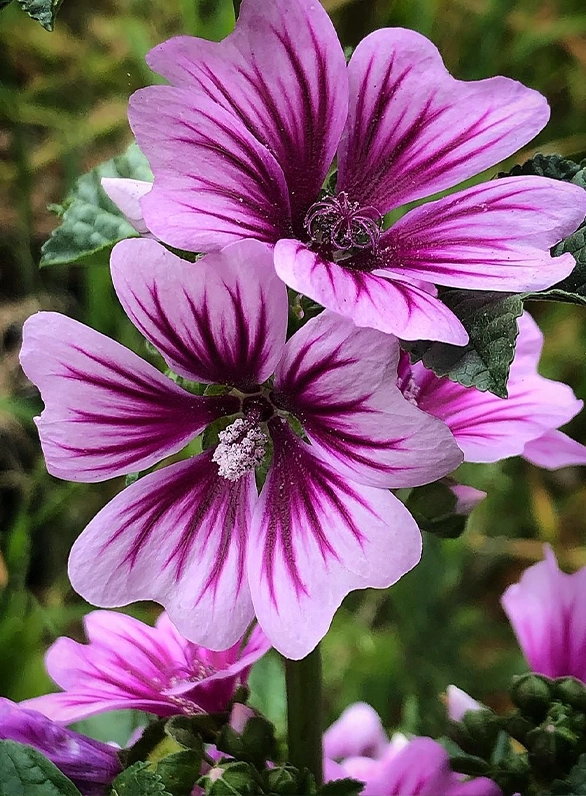
MALLOW COMMON FLOWERS – (MALVAE FLOS )
Mallow Common Flowers (Malvae Fros) come from the Common Mallow plant (Malva sylvestris), which is a flowering herb belonging to the Malvaceae family. This plant is widely distributed across Europe, Asia, and North Africa and is often found in meadows, grasslands, and roadsides. Both the leaves and flowers of mallow have been used in traditional medicine for centuries, particularly for their soothing and anti-inflammatory properties.
Botanical Characteristics of Mallow Common Flowers (Malvae Fros)
- Appearance: Mallow flowers are large, pink to purple, or occasionally white, with five petals. The flowers typically have a characteristic funnel-shaped form, and they grow on tall, branching stems. The plant itself can reach a height of around 30-100 cm (1-3 feet).
- Plant Type: Common Mallow is an herbaceous perennial that blooms in the summer and has round or heart-shaped leaves with serrated edges. The flowers grow in clusters on the stems, and the plant produces a fruit capsule containing numerous small seeds.
Medicinal Uses and Health Benefits of Mallow Common Flowers (Malvae Fros)
Mallow flowers and other parts of the plant have a long history of use in herbal medicine, thanks to their soothing, anti-inflammatory, and emollient properties. They have been used for a variety of ailments, particularly those affecting the skin, respiratory system, and digestive tract.
- Soothing and Anti-inflammatory Properties
- Soothes Irritation: Mallow flowers have anti-inflammatory and emollient properties, making them effective in treating irritation of the skin or mucous membranes, such as in the case of coughs, sore throats, or digestive discomfort.
- How It Works: Mallow flowers contain mucilage, a gelatinous substance that forms a soothing layer on tissues, helping to reduce inflammation and irritation.
- How to Use: Mallow flowers can be used to prepare herbal teas, infusions, or tinctures to soothe the throat, digestive system, or skin.
- Respiratory Health
- Relieves Coughs and Bronchitis: The mucilaginous compounds in mallow flowers are particularly beneficial for the respiratory system. They help to coat the throat and reduce irritation caused by dry or productive coughs, bronchitis, or other respiratory conditions.
- How It Works: Mallow flowers help by moisturizing the throat and airways, easing inflammation and promoting the expulsion of mucus. This makes them especially useful for soothing symptoms of cold and flu.
- How to Use: Mallow flower tea can be consumed to ease coughs and other respiratory discomforts. Alternatively, mallow can be used in herbal syrups or lozenges.
- Digestive Health
- Aids Digestion: Mallow flowers can help soothe the digestive tract, reducing symptoms of gastritis, acid reflux, or irritable bowel syndrome (IBS).
- How It Works: The mucilage in mallow helps to coat the stomach lining, reducing irritation caused by excessive stomach acid or digestive inflammation. It also supports the healthy movement of food through the digestive system.
- How to Use: Drinking mallow tea after meals can help soothe the digestive tract and promote healthy digestion. It may also ease symptoms of indigestion or heartburn.
- Skin Health and Healing
- Soothes Skin Irritations: Mallow flowers are often used to treat skin irritations, cuts, wounds, or inflammatory skin conditions like eczema and dermatitis.
- How It Works: The mucilage and flavonoids in mallow flowers have anti-inflammatory and antioxidant properties, which help to reduce redness, itching, and irritation of the skin. They also support the healing of wounds and cuts.
- How to Use: Mallow flower infusions or compresses can be applied directly to irritated skin. A mallow ointment or cream can also be used to moisturize and soothe dry, inflamed skin.
- Urinary Health
- Supports the Urinary System: Mallow flowers can help support urinary health and ease symptoms of urinary tract infections (UTIs) or other bladder issues, due to their anti-inflammatory and diuretic effects.
- How It Works: The diuretic properties of mallow help to increase the flow of urine, flushing out bacteria and toxins from the urinary system. This can help reduce inflammation in the bladder and relieve discomfort.
- How to Use: Drinking mallow flower tea regularly may help support kidney and bladder health and prevent or alleviate symptoms of UTIs.
Preparation Methods
- Mallow Flower Tea: One of the most common ways to use mallow flowers is by preparing a herbal tea. To make mallow tea, steep 1-2 teaspoons of dried mallow flowers in boiling water for about 10 minutes. The resulting tea can be consumed to relieve coughs, sore throats, or digestive discomfort.
- Mallow Infusion: Mallow flowers can be steeped in cold water for several hours to make an infusion that can be used to soothe the skin or treat digestive or respiratory issues.
- Mallow Tincture: A mallow tincture made by soaking the flowers in alcohol or glycerin can be used as a concentrated herbal remedy for respiratory or digestive issues.
- Mallow Compress: For skin irritations or wounds, you can apply a mallow compress made from an infusion of mallow flowers directly to the affected area to promote healing and reduce inflammation.