


We bring the taste to your home
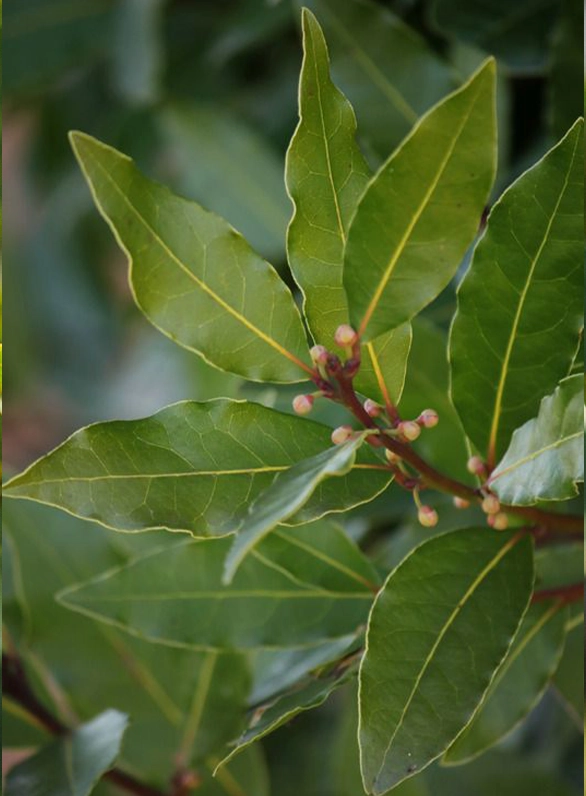
LAUREL LEAVES – (LAURI FOLIUM)
Laurel Leaves (Lauri Folium) come from the bay laurel (Laurus nobilis), an evergreen shrub or small tree native to the Mediterranean region. These aromatic leaves are used not only as a culinary herb but also for their medicinal properties. Laurel leaves are known for their antioxidant, anti-inflammatory, antibacterial, and digestive-supportive effects, and they have been a part of traditional medicine for centuries.
Botanical Characteristics of Laurel Leaves
- Appearance: Laurel leaves are long, lance-shaped, and have a deep green color with a glossy texture. The leaves are aromatic, releasing a distinctive, fragrant scent when crushed. They can grow up to 10 cm (4 inches) in length and have a smooth edge.
- Plant Type: Bay laurel is an evergreen tree that can reach heights of up to 10 meters (33 feet). The tree produces small, yellow flowers and dark blue-black berries, though the leaves are the part used for medicinal and culinary purposes.
Medicinal Uses and Health Benefits of Laurel Leaves
Laurel leaves are highly valued for their antioxidant, digestive, anti-inflammatory, antibacterial, and sedative properties. Here are some of the key health benefits associated with laurel leaves:
- Digestive Health
- Aids Digestion: Laurel leaves have long been used to support the digestive system. They stimulate the secretion of digestive enzymes and bile, which helps with the breakdown of food and the absorption of nutrients.
- How It Works: The essential oils in laurel leaves, including eucalyptol and cineole, help stimulate the digestive system, easing indigestion, bloating, and gas. They also have mild carminative properties, meaning they help relieve gas and bloating in the stomach.
- How to Use: Laurel leaf tea is commonly used to relieve digestive discomfort. Simply steep 1-2 dried leaves in hot water for 5-10 minutes. Drink this tea after meals to support digestion.
- Anti-inflammatory and Pain Relief
- Reduces Inflammation: Laurel leaves contain anti-inflammatory compounds, making them useful in treating conditions related to joint pain and muscle inflammation, such as arthritis and gout.
- How It Works: Cineole and eugenol, both present in laurel leaves, have been shown to reduce the activity of pro-inflammatory enzymes, which can help alleviate pain and inflammation.
- How to Use: Laurel leaf oil or decoctions can be applied topically as a massage oil to sore muscles or joints, or used in warm compresses to reduce swelling and pain.
- Antioxidant Properties
- Protects Cells: Laurel leaves are rich in antioxidants such as vitamin C and polyphenols. These compounds help neutralize free radicals in the body, protecting cells from oxidative stress and supporting overall health.
- How It Works: Antioxidants play a key role in reducing the risk of chronic diseases such as heart disease, diabetes, and cancer by protecting cells from damage caused by oxidative stress.
- How to Use: Consuming laurel leaf tea or incorporating it into meals can help provide a regular supply of antioxidants.
- Respiratory Health
- Relieves Respiratory Issues: The essential oils in laurel leaves have expectorant properties, which can help clear mucus from the lungs and ease breathing in cases of coughs, bronchitis, and asthma.
- How It Works: The eucalyptol in laurel leaves helps open the airways, making it easier to expel mucus from the respiratory tract. This can reduce symptoms of congestion and help with breathing.
- How to Use: Laurel leaf steam inhalation is a common method for relieving respiratory congestion. To do this, boil water with a few laurel leaves, then inhale the steam for 5–10 minutes.
- Antimicrobial and Antibacterial Properties
- Fights Infections: Laurel leaves have natural antibacterial and antifungal properties, which make them useful for preventing and treating various infections.
- How It Works: The essential oils in laurel leaves, particularly eugenol, cineole, and alpha-pinene, have been shown to inhibit the growth of harmful bacteria and fungi. This makes laurel leaves effective in fighting off skin infections or digestive infections.
- How to Use: Laurel leaf tea can be consumed to help fight internal infections, while laurel oil can be applied topically for minor cuts, wounds, or skin infections.
- Sedative and Relaxing Effects
- Promotes Relaxation: Laurel leaves have mild sedative effects and have been used to help relieve anxiety and promote relaxation. They can also assist in improving sleep quality.
- How It Works: The volatile oils in laurel leaves, particularly eucalyptol and linalool, have calming effects on the nervous system, making laurel useful for reducing stress and promoting sleep.
- How to Use: Drinking laurel leaf tea before bed or using laurel leaf essential oil in a diffuser can promote relaxation and improve sleep.
Preparation Methods
- Laurel Leaf Tea: To make laurel leaf tea, steep 1-2 dried leaves in boiling water for 5-10 minutes. You can drink this tea up to three times per day to aid digestion, support respiratory health, and reduce inflammation.
- Laurel Leaf Infusion: For inflammation or respiratory issues, prepare an infusion of laurel leaves by soaking them in hot water for a longer period (30 minutes to an hour). Use this infusion as a gargle for sore throats or a steam inhalation for congestion.
- Laurel Leaf Essential Oil: Laurel essential oil can be diluted with a carrier oil and used for topical application on sore muscles or joints, or added to a diffuser to relieve stress and promote relaxation.
- Laurel Leaf Poultice: To treat inflammation or skin conditions, a laurel leaf poultice can be made by crushing the leaves and applying them directly to the affected area. Cover with a clean cloth and leave for about 20–30 minutes.