


We bring the taste to your home
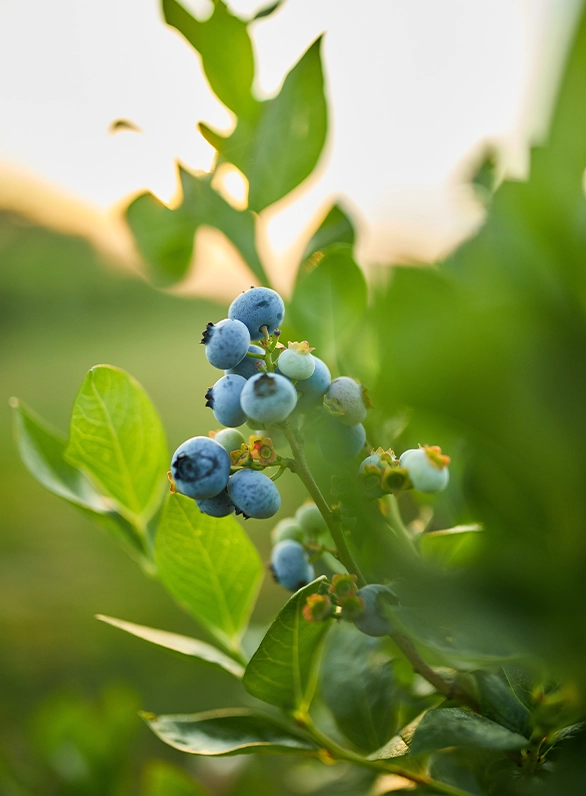
HUCKLEBERRIES – (MYRTILI FRUCTUS)
Huckleberries (Myrtilli Fructus), produced by plants in the Vaccinium genus, are small, round berries closely related to blueberries, cranberries, and other members of the Ericaceae family. They are found in wild environments and have long been used in both culinary and medicinal applications. Huckleberries are rich in antioxidants, vitamins, and flavonoids, offering various health benefits, particularly in immune support, anti-inflammatory, and heart health.
Botanical Characteristics of Huckleberries (Myrtilli Fructus)
- Appearance: Huckleberries are small, round, dark blue to purple berries. They are slightly smaller than blueberries and grow in clusters. Huckleberry bushes are typically shrubby plants, growing up to about 3 feet tall in forested or mountainous regions.
- Habitat: Native to North America, huckleberries thrive in cooler, acidic soils and are typically found in the wild in mountainous or forest environments, often at higher elevations. They grow in open woods, meadows, and boggy areas.
- Plant Part Used: The berries of the huckleberry plant are harvested for medicinal and culinary use. The leaves and roots may also have medicinal properties, but the berries are the most commonly used part.
Medicinal Uses and Health Benefits of Huckleberries (Myrtilli Fructus)
Huckleberries have been prized for their nutritional and medicinal properties for centuries. Here are the primary health benefits of huckleberries:
- Rich in Antioxidants
- Fights Free Radicals: Huckleberries are packed with antioxidants, particularly anthocyanins (which give the berries their blue and purple color), flavonoids, and vitamin C. These compounds help protect the body from oxidative stress caused by free radicals.
- How It Works: The antioxidant content of huckleberries helps neutralize free radicals in the body, reducing damage to cells and tissues. This can lower the risk of chronic diseases like cancer, cardiovascular diseases, and age-related diseases.
- How to Use: Fresh or dried huckleberries can be consumed in smoothies, desserts, or teas, or incorporated into jams or jellies to gain the benefits of their antioxidants.
- Supports Immune Health
- Boosts the Immune System: The high content of vitamin C and flavonoids in huckleberries helps strengthen the immune system and protect against infections.
- How It Works: Vitamin C is crucial for collagen formation, wound healing, and maintaining the skin’s barrier function. It also plays a role in stimulating white blood cell production, enhancing the body’s ability to fight infections.
- How to Use: Incorporating huckleberries into the diet, especially during cold and flu season, can help boost immune function. Enjoy them fresh, as juice, or in teas to improve your body’s defense against infections.
- Promotes Heart Health
- Supports Cardiovascular Health: Huckleberries are known for their heart-healthy benefits due to their antioxidant content, especially anthocyanins, which can improve blood vessel function and reduce the risk of cardiovascular diseases.
- How It Works: The flavonoids in huckleberries help reduce blood pressure, improve cholesterol levels, and enhance blood circulation. They also have anti-inflammatory properties that may help prevent the development of arterial plaque, a contributor to heart disease.
- How to Use: Consuming huckleberries regularly, either fresh, dried, or in huckleberry juice, can help support heart health by improving circulation and reducing the risk of high blood pressure and cholesterol.
- Blood Sugar Regulation
- Helps Manage Blood Sugar Levels: Studies suggest that the antioxidants in huckleberries may help regulate blood sugar levels, making them potentially beneficial for people with type 2 diabetes or those managing insulin resistance.
- How It Works: The anthocyanins in huckleberries have been shown to improve insulin sensitivity, which is essential for proper glucose metabolism. They may also help prevent the spikes and crashes in blood sugar that are common in individuals with diabetes.
- How to Use: Eating huckleberries in their whole form (fresh or dried) or drinking huckleberry juice can help regulate blood sugar over time. It’s important to incorporate them as part of a balanced diet.
- Anti-inflammatory Benefits
- Reduces Inflammation: The flavonoids and anthocyanins found in huckleberries have significant anti-inflammatory effects, which help reduce inflammation in the body.
- How It Works: Chronic inflammation is a contributing factor to many health issues, including arthritis, heart disease, and cancer. The anti-inflammatory compounds in huckleberries can help reduce symptoms related to these conditions, including pain, swelling, and redness.
- How to Use: Regular consumption of huckleberries can help alleviate inflammation associated with conditions like rheumatoid arthritis, gout, and other inflammatory diseases.
- Eye Health
- Supports Vision Health: Like their leaves, the anthocyanins in huckleberries are beneficial for eye health. These compounds can help protect the eyes from damage caused by oxidative stress and improve night vision.
- How It Works: Anthocyanins support circulation in the capillaries of the eyes, improving oxygen and nutrient delivery to the retina. They also help protect against macular degeneration, cataracts, and other age-related vision issues.
- How to Use: Regular consumption of fresh or dried huckleberries can promote healthy vision and help prevent eye problems as you age.
- Cognitive Health and Memory
- Promotes Brain Health: The antioxidants in huckleberries may also benefit brain health and cognitive function, especially in aging adults.
- How It Works: The flavonoids in huckleberries can help reduce brain inflammation, protect brain cells from oxidative stress, and improve neuroplasticity (the brain’s ability to form new connections and retain memory).
- How to Use: Eating huckleberries regularly as part of a brain-boosting diet can support memory, focus, and overall cognitive function.
- Digestive Health
- Improves Digestion: Huckleberries are a source of dietary fiber, which is important for maintaining digestive health.
- How It Works: Fiber helps regulate bowel movements, alleviates constipation, and supports a healthy gut microbiome. The fiber content in huckleberries also helps promote feelings of fullness, aiding in weight management.
- How to Use: Incorporate huckleberries into your diet as part of your daily intake of fiber to support healthy digestion.
Preparation Methods for Huckleberries (Myrtilli Fructus)
- Fresh Huckleberries: The simplest way to enjoy huckleberries is to eat them fresh. They can be added to smoothies, salads, or eaten as a snack.
- Dried Huckleberries: Dried huckleberries can be used in baked goods, trail mixes, or granola. They retain much of their antioxidant content and can be stored for longer periods.
- Huckleberry Jam or Jelly: Huckleberries are commonly made into jams, jellies, and preserves. This is a great way to enjoy their sweet-tart flavor and preserve their nutritional benefits.
- Huckleberry Juice: Huckleberry juice is a refreshing way to enjoy the benefits of this berry. It’s especially popular for immune support and hydration.
- Huckleberry Tea: Huckleberries can also be used in herbal teas, where the leaves or dried berries are steeped to make a flavorful, antioxidant-rich beverage.