


We bring the taste to your home
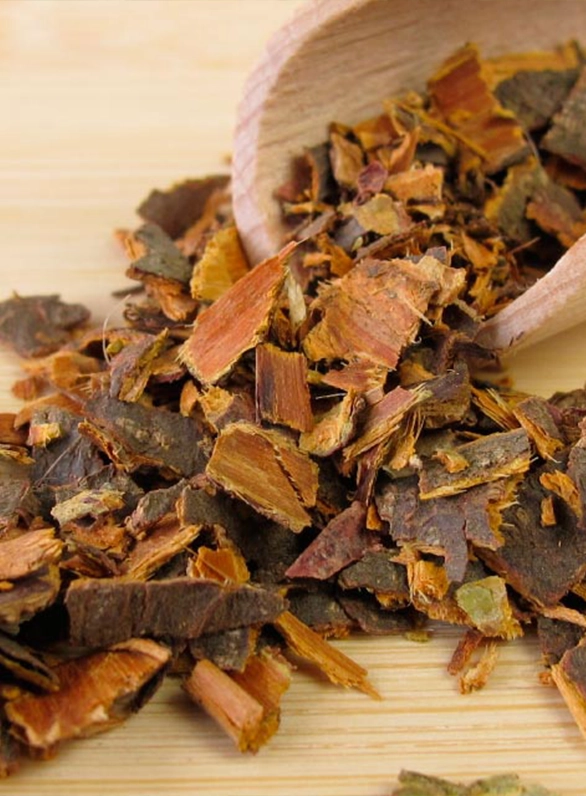
BUCKTHORN BARK – (FRANGULAE CORTEX )
Buckthorn Bark (Frangulae Cortex) comes from the Rhamnus frangula tree, commonly known as alder buckthorn or European buckthorn. It is widely known in traditional herbal medicine for its strong purgative (laxative) effects. The bark is especially valued for its ability to relieve constipation and promote regular bowel movements.
Botanical Characteristics of Buckthorn
- Appearance: Buckthorn is a deciduous shrub or small tree that grows up to 20 feet (6 meters) tall. It has dark, smooth bark and produces small, yellowish-green flowers that give way to purple-black berries. The bark used in medicinal preparations is typically collected from mature trees.
- Parts Used: The inner bark of the buckthorn tree is the part that is used for medicinal purposes. The bark is typically harvested in the spring or early summer, when its medicinal properties are most potent.
Medicinal Uses and Health Benefits of Buckthorn Bark
Buckthorn bark has long been used in herbal medicine for its potent laxative properties, but it has additional benefits as well.
- Natural Laxative
- Purgative Effect: The primary medicinal use of buckthorn bark is as a laxative. It contains compounds called anthraquinones, which stimulate the muscles of the intestines and promote bowel movements. It is particularly effective for individuals who experience chronic constipation.
- How It Works: The anthraquinones in buckthorn work by irritating the intestinal lining, which increases peristalsis (the wave-like muscle contractions that move food through the digestive tract), helping to relieve constipation.
- How to Use: Buckthorn bark is usually consumed as a tea, tincture, or in capsule form. The dosage should be followed carefully, as excessive use may lead to dehydration or cramping.
- Detoxification and Bowel Cleansing
- Promotes Detoxification: Because buckthorn is a strong laxative, it is often used in detoxification regimens to help cleanse the colon and expel toxins from the body. By stimulating bowel movements, it helps flush waste and excess toxins from the digestive system.
- How to Use: Buckthorn is sometimes included in herbal detox programs and colon cleanses. It should be used cautiously and for short periods, as prolonged use can lead to dependency on laxatives.
- Anti-inflammatory and Astringent
- Mild Anti-inflammatory: Buckthorn bark contains compounds that have mild anti-inflammatory effects, which can help soothe irritation in the digestive tract or other parts of the body.
- Astringent Properties: Buckthorn bark also has astringent properties, which can help tighten tissues and reduce inflammation in cases of gastrointestinal irritation, hemorrhoids, or mild internal bleeding.
- How to Use: These effects can be beneficial in the treatment of conditions like diarrhea or digestive discomfort, where astringent herbs can help to calm and tone the gastrointestinal system.
- Skin Health
- Topical Use: Buckthorn bark has occasionally been used in topical applications for its mild astringent effects, helping to tone and tighten the skin. In some traditional remedies, buckthorn bark is applied to the skin for conditions like acne or minor cuts and scrapes.
- How to Use: Buckthorn bark can be made into a poultice or used in topical creams for its skin-healing properties. However, it is more commonly used internally for digestive health.
Preparation Methods
- Buckthorn Bark Tea: To prepare a tea, use 1–2 teaspoons of dried buckthorn bark per cup of boiling water. Steep for 10–15 minutes. The tea is often used to help relieve constipation and promote regular bowel movements. It should not be consumed regularly for more than a few days to avoid dependence on the laxative effect.
- Tincture: Buckthorn tinctures are available in health food stores and can be taken according to the label instructions. Usually, the dosage is about 20-30 drops taken in water or tea, once or twice daily.
- Capsules or Tablets: Buckthorn is also available in capsule form. The dosage varies depending on the product, so always follow the recommended guidelines. Buckthorn capsules are often used for constipation relief or as part of a detox program.