


We bring the taste to your home
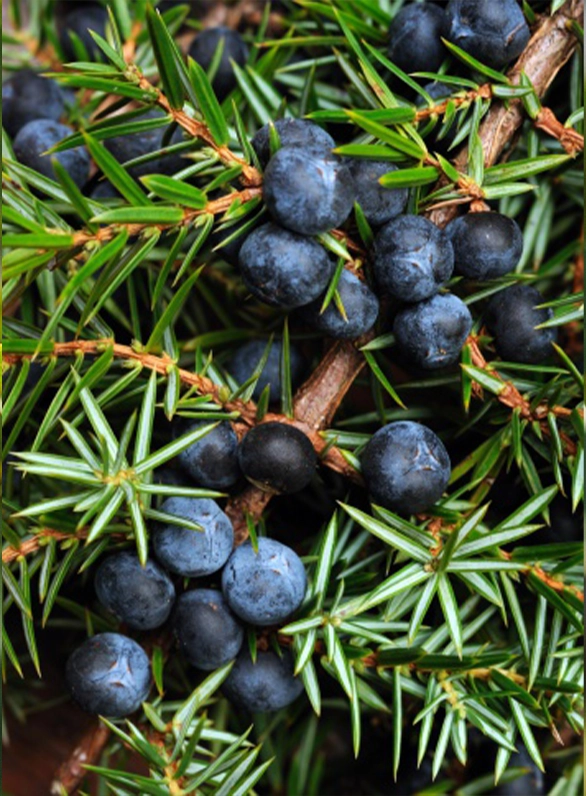
JUNIPER BLACKBERRIES – (JUNIPERI COMM.FRUCTUS)
Juniper Blackberries (Juniperi Communis Fructus) refer to the berries of the common juniper (Juniperus communis), a coniferous shrub or small tree found in various regions, including Europe, Asia, and North America. These berries are often called “juniper berries” and are actually cones rather than true berries, although they resemble them in appearance. Juniper berries have been used for centuries for their medicinal properties, as well as in culinary applications, most notably in flavoring gin.
Botanical Characteristics of Juniper Berries
- Appearance: Juniper berries are small, round, and bluish-purple or blue-black when ripe, with a waxy coating that gives them a bluish hue. They are typically about 5–10 mm in diameter. The berries develop from the small, green cones of the juniper tree and ripen over the course of several seasons.
- Plant Type: The common juniper is an evergreen shrub or small tree that grows up to 10 feet tall. It has needle-like leaves that are sharp and aromatic and small cones that, when mature, become the juniper berries.
Medicinal Uses and Health Benefits of Juniper Berries
Juniper berries are prized for their diuretic, antioxidant, antimicrobial, and anti-inflammatory properties. They have been used in traditional medicine for various ailments, particularly those related to the urinary system, digestive health, and as a general detoxifying agent.
- Diuretic and Detoxifying
- Promotes Urine Flow: Juniper berries are widely known for their diuretic properties, which help increase urine production. This makes them useful for detoxification and for flushing excess toxins from the body.
- How It Works: Juniper berries contain compounds like alpha-pinene and myrcene, which stimulate the kidneys, promoting increased urination. This can help cleanse the urinary system and support kidney function.
- How to Use: Juniper berry tea or tinctures are commonly used for this purpose. A typical dosage is about 1–2 teaspoons of dried juniper berries steeped in hot water for 5–10 minutes. It can also be consumed in small amounts as part of herbal detox blends.
- Urinary Tract Health
- Treats Urinary Infections: Due to their antimicrobial and antiseptic properties, juniper berries are often used to support urinary tract health. They are believed to help combat urinary tract infections (UTIs) by preventing the growth of harmful bacteria.
- How It Works: Juniper berries’ ability to increase urine flow helps flush out bacteria from the urinary system. They also contain compounds like terpenes, which have antimicrobial effects that can help fight off infections.
- How to Use: Juniper berry tea or capsules may be used as part of a treatment for UTIs or to support overall urinary tract health.
- Digestive Health
- Supports Digestion: Juniper berries are known to aid digestion by stimulating the production of digestive juices. They are traditionally used to alleviate indigestion, bloating, and gas.
- How It Works: Juniper berries stimulate the appetite and promote the secretion of bile and stomach acids, which can aid in the breakdown of food and improve the digestive process.
- How to Use: Juniper berry tea is commonly used after meals to aid digestion. It may also be used in digestive bitters or herbal blends designed to support the digestive system.
- Anti-inflammatory and Antioxidant Effects
- Reduces Inflammation: Juniper berries contain compounds with anti-inflammatory properties, which may help alleviate conditions related to inflammation, such as arthritis, gout, or muscle pain.
- How It Works: The flavonoids and terpenes in juniper berries have been shown to reduce inflammation in the body, making them useful for treating chronic inflammatory conditions.
- How to Use: Juniper berry extract or tea can be consumed regularly to help with inflammation-related conditions. It may also be used in topical salves or creams for joint and muscle pain.
- Antimicrobial and Antifungal Properties
- Fights Infections: Juniper berries have antimicrobial and antifungal properties, making them helpful in treating infections of the skin or internal systems.
- How It Works: The essential oils and resins in juniper berries, particularly juglone, are effective in killing or inhibiting the growth of certain bacteria, fungi, and viruses.
- How to Use: Juniper berry essential oil can be diluted and applied to the skin to treat minor skin infections, such as athlete’s foot or ringworm. It may also be used as a gargle for sore throats or as an ingredient in mouthwashes.
- Respiratory Health
- Clears Congestion: Juniper berries are sometimes used to treat respiratory issues, including coughs, bronchitis, and asthma. Their expectorant properties help clear mucus from the airways and facilitate easier breathing.
- How It Works: The volatile oils in juniper berries have a soothing effect on the respiratory system, helping to clear blockages in the lungs and ease breathing.
- How to Use: Juniper berry tea, inhaling steam from boiling juniper berry-infused water, or using juniper essential oil in a diffuser may provide relief for respiratory symptoms.
Preparation Methods
- Juniper Berry Tea: To make juniper berry tea, steep 1–2 teaspoons of dried berries in boiling water for 5–10 minutes. You can drink this tea 1–3 times daily to support urinary health, digestion, and detoxification.
- Tincture: A juniper berry tincture can be made by soaking crushed berries in alcohol (such as vodka) for several weeks. This tincture can be used to promote digestion, detoxify the body, or support urinary health. A typical dosage is 10–20 drops, 1–3 times per day.
- Juniper Berry Oil: Juniper essential oil can be used for respiratory support, skin infections, or as an ingredient in homemade cleaning products due to its antimicrobial properties. Dilute the oil with a carrier oil (e.g., coconut or olive oil) before applying it to the skin or using it in aromatherapy.
- Poultice: A juniper berry poultice can be made by crushing the berries and applying them to sore muscles or joints. The anti-inflammatory properties can help reduce pain and swelling.