


We bring the taste to your home
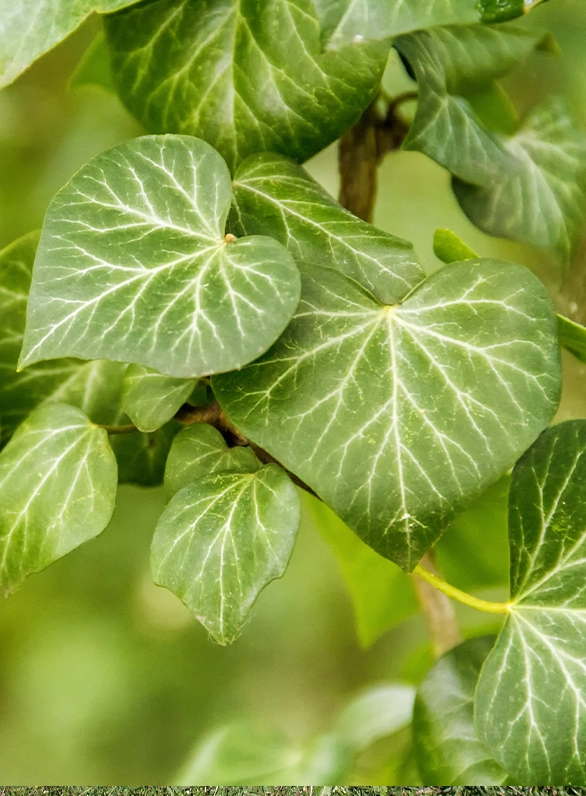
IVY LEAF – (HEDERAE HELICIS FOLIUM )
Ivy Leaf (Hederae Helicis Folium) comes from the English ivy (Hedera helix), a hardy, evergreen climbing plant that is widely found in temperate regions of the world. The leaves of this plant are the medicinal part used in various herbal preparations, especially for their beneficial effects on the respiratory system.
Botanical Characteristics of Ivy
- Appearance: Ivy is a climbing vine with dark green, glossy, three- to five-lobed leaves. The plant produces small, greenish-yellow flowers that later give way to black or dark purple berries. The leaves, which are typically used in herbal medicine, are dark green and have a smooth or slightly textured surface.
- Parts Used: The leaves of the ivy plant are harvested, typically in the spring or summer, and used fresh or dried in medicinal preparations.
Medicinal Uses and Health Benefits of Ivy Leaf
Ivy leaf has a long history of use in herbal medicine, particularly for respiratory conditions. Its therapeutic properties make it a valuable herb for cough relief, bronchial health, and even other conditions related to the respiratory tract.
- Respiratory Health and Cough Relief
- Expectorant: Ivy leaf contains compounds like saponins and flavonoids that have expectorant properties, which help to loosen and expel mucus from the airways. This makes it particularly useful for treating conditions like cough, bronchitis, and other respiratory infections.
- Bronchodilator: Ivy leaf also has mild bronchodilator effects, meaning it can help open up the airways and make breathing easier, which can be beneficial for people with asthma or chronic obstructive pulmonary disease (COPD).
- How to Use: Ivy leaf is commonly used in syrups, teas, or tinctures to treat respiratory issues. For coughs and congestion, ivy leaf tea is a popular remedy. The extract can also be found in many over-the-counter cough syrups.
- Relieves Bronchial Infections
- Antibacterial and Antiviral Properties: Ivy leaf is known to have mild antibacterial and antiviral effects, which can help in the treatment of respiratory infections caused by bacteria or viruses. This makes it an effective herbal remedy for bronchitis, colds, and flu.
- How to Use: Ivy leaf extract or tea may help soothe a sore throat and reduce inflammation in the airways. It can be combined with other respiratory-supporting herbs, like thyme or elderflower, for additional benefits.
- Eases Coughing and Throat Irritation
- Sore Throat Relief: Ivy leaf can help reduce coughing and throat irritation, particularly when the cough is dry or non-productive. It can soothe the throat and reduce the urge to cough, especially when combined with honey or other soothing ingredients.
- How to Use: Ivy leaf tea is commonly consumed to reduce coughing. Drinking it warm with honey can also help alleviate throat discomfort and improve the effectiveness of the herb.
- Supports Overall Lung Health
- Improving Lung Function: Due to its expectorant and bronchodilatory properties, ivy leaf may help improve lung function and reduce symptoms associated with chronic respiratory conditions such as asthma or chronic bronchitis. It helps clear mucus and can reduce inflammation in the lungs, providing relief for individuals with conditions like COPD.
- How to Use: For lung support, ivy leaf extract is often found in herbal formulas or respiratory support supplements that promote healthy lung function.
- Mild Antioxidant Effects
- Reducing Oxidative Stress: Ivy leaf also contains antioxidants that help reduce oxidative stress, which can contribute to inflammation and damage in the body, including in the lungs. These antioxidants help protect cells from free radical damage.
- How to Use: Regular use of ivy leaf extracts, especially in combination with other antioxidant-rich herbs, can support overall health and protect against chronic inflammation.
Preparation Methods
- Ivy Leaf Tea: Ivy leaf can be brewed into a tea by steeping 1–2 teaspoons of dried ivy leaves in hot water for about 10 minutes. This tea can be consumed up to three times a day to help with coughing, congestion, and respiratory discomfort.
- Ivy Leaf Syrup: Ivy leaf is commonly used in syrup form to treat coughs and other respiratory conditions. These syrups often combine ivy leaf extract with honey, lemon, and other soothing ingredients for a more palatable and effective remedy.
- Ivy Leaf Tincture: Ivy leaf tinctures are concentrated extracts that can be taken in small doses (usually 10-20 drops) to support respiratory health and help with bronchial congestion.
- Ivy Leaf Capsules: For convenience, ivy leaf is also available in capsule or tablet form. The recommended dosage will depend on the product, so always follow the instructions on the label.