


We bring the taste to your home
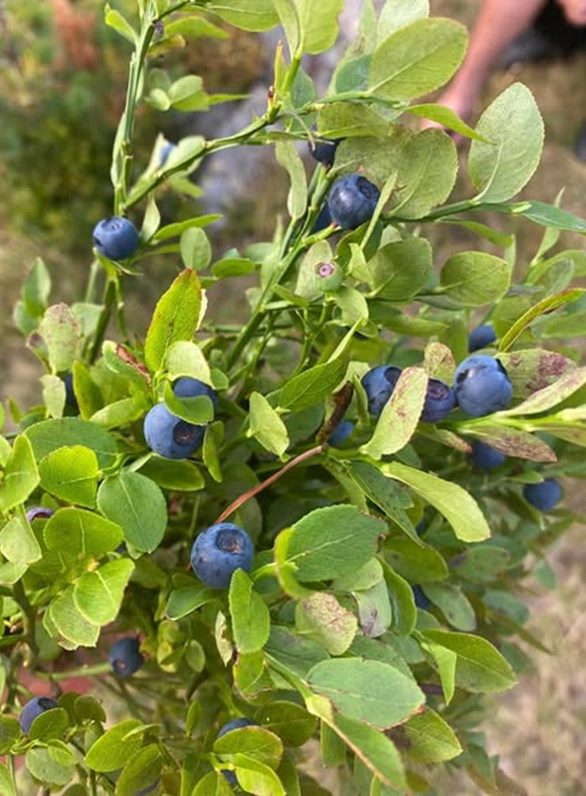
HUCKLEBERRY LEAVES – (MYRTILI FOLIUM)
Huckleberry Leaves (Myrtilli Folium), derived from the Vaccinium genus, which includes several species of berries such as blueberries, cranberries, and huckleberries, have been used in traditional herbal medicine for various health benefits. The leaves, though less commonly known than the berries, are prized for their medicinal properties, particularly their ability to support diabetic health, urinary tract health, and anti-inflammatory benefits.
Botanical Characteristics of Huckleberry Leaves (Myrtilli Folium)
- Appearance: Huckleberries are small shrubs that grow in acidic soils, typically found in forests, boggy areas, and mountainous regions. The leaves are dark green, oval-shaped, and often have a waxy texture. They are smaller than the leaves of other species in the Vaccinium family.
- Habitat: Native to North America, huckleberry bushes thrive in forested areas and mountainous regions. Huckleberries grow in cooler climates and are often found in wild areas, though cultivated varieties exist.
- Plant Part Used: The leaves of the huckleberry plant are typically harvested when the plant is mature. These leaves are then dried for medicinal use in teas, tinctures, and extracts.
Medicinal Uses and Health Benefits of Huckleberry Leaves (Myrtilli Folium)
- Diabetes Management and Blood Sugar Regulation
- Supports Blood Sugar Control: One of the primary uses of huckleberry leaves is for diabetes management, particularly in regulating blood sugar levels.
- How It Works: The leaves of the huckleberry plant contain anthocyanins (the pigments responsible for the blue color in huckleberries), which have been found to have insulin-sensitizing properties. They help regulate glucose metabolism and improve insulin sensitivity, making them helpful for people with type 2 diabetes or those managing insulin resistance.
- How to Use: Huckleberry leaf tea can be consumed regularly to support blood sugar levels. Some people also use huckleberry leaf extracts or tinctures for more concentrated effects.
- Urinary Tract Health
- Promotes Urinary Health: Huckleberry leaves are also known for their positive effects on urinary tract health. They have been used as a traditional remedy for urinary infections, bladder health, and kidney function.
- How It Works: Huckleberry leaves have diuretic properties, helping to promote the production of urine, which can help flush out toxins from the urinary system. This makes them beneficial for supporting kidney function and preventing urinary tract infections (UTIs). The leaves also contain antioxidant and anti-inflammatory compounds that support the health of the urinary tract.
- How to Use: Drinking huckleberry leaf tea or using huckleberry leaf tinctures can help to maintain urinary health and prevent infections. A regular intake may be particularly helpful for individuals who are prone to UTIs.
- Anti-inflammatory and Antioxidant Properties
- Reduces Inflammation and Fights Free Radicals: Huckleberry leaves are known for their anti-inflammatory and antioxidant properties, making them effective in treating conditions related to inflammation, such as arthritis, muscle pain, and gastrointestinal disorders.
- How It Works: The anthocyanins and flavonoids in huckleberry leaves act as antioxidants, helping to neutralize free radicals in the body. This, in turn, can help reduce oxidative stress and lower inflammation, which is beneficial for managing conditions like joint pain and inflammatory bowel disease (IBD).
- How to Use: Huckleberry leaf tea can be used as a daily tonic to help manage inflammation and support overall health. This tea can be especially useful for individuals dealing with chronic inflammation or joint issues.
- Digestive Health
- Supports Healthy Digestion: Huckleberry leaves can aid in maintaining a healthy digestive system, promoting regular bowel movements and alleviating discomfort from digestive disturbances.
- How It Works: The leaves contain compounds that support the smooth functioning of the digestive tract, including astringent properties, which can help reduce diarrhea and gastrointestinal discomfort. They also have mild antimicrobial properties that can help combat harmful bacteria in the digestive system.
- How to Use: Consuming huckleberry leaf tea can help soothe digestive upset, promote regular bowel movements, and support overall digestive health.
- Antimicrobial and Antiviral Properties
- Fights Bacteria and Viruses: Huckleberry leaves have mild antimicrobial and antiviral effects, which make them useful for preventing and treating infections.
- How It Works: The leaves contain natural compounds that can help fight off bacterial infections and viruses in the body. This makes them particularly useful in fighting off common cold and flu viruses, as well as bacterial infections that affect the skin, urinary tract, or respiratory system.
- How to Use: Huckleberry leaf tea can be consumed during illness to help fight off infections, while a huckleberry leaf tincture can be used as a more concentrated remedy.
- Eye Health
- Promotes Vision and Eye Health: Like the berries, huckleberry leaves contain anthocyanins, which are beneficial for eye health and may help in preventing vision deterioration.
- How It Works: Anthocyanins are known to improve blood flow to the eyes, protect against age-related macular degeneration (AMD), and reduce the risk of cataracts. They also help to strengthen the capillaries in the eyes, promoting overall vision health.
- How to Use: Regular consumption of huckleberry leaf tea may help maintain healthy vision and reduce the risks of age-related eye issues.
Preparation Methods for Huckleberry Leaves (Myrtilli Folium)
- Huckleberry Leaf Tea: The most common and easiest way to use huckleberry leaves is by making tea. To prepare it:
- Steep 1-2 teaspoons of dried huckleberry leaves in hot water for 10–15 minutes.
- Drink up to 2-3 cups per day for benefits related to blood sugar control, digestive health, or urinary tract support.
- Huckleberry Leaf Tincture: A tincture can be made by soaking dried huckleberry leaves in alcohol (like vodka) for 2-4 weeks. A few drops of tincture can be taken daily for concentrated medicinal effects, especially for regulating blood sugar or supporting urinary health.
- Huckleberry Leaf Extract: Extracts of huckleberry leaves can be used for more potent medicinal purposes. You can purchase ready-made extracts or make your own by soaking the leaves in a solvent. A few drops of huckleberry leaf extract can be taken daily for specific health concerns.