


We bring the taste to your home
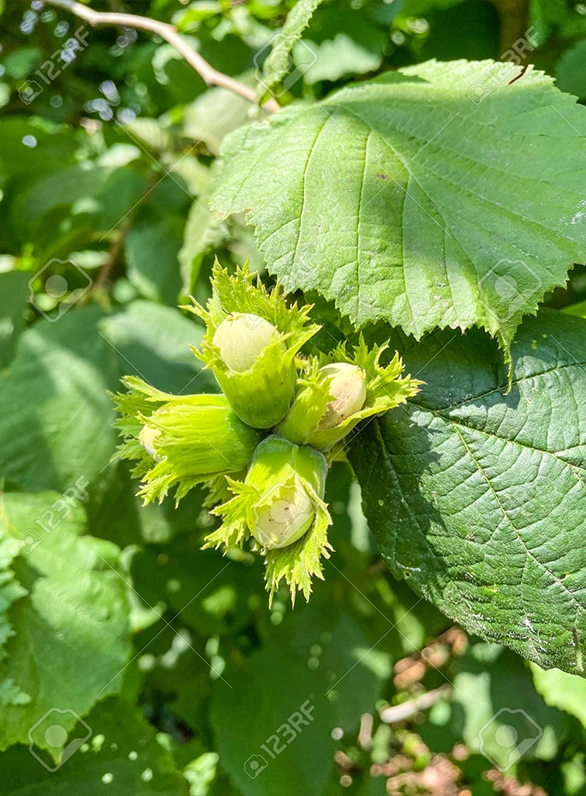
HAZEL LEAVES – (CORYLI FOLIUM)
Hazel Leaves (also known as Coryli Folium) come from the hazel tree (Corylus avellana), which is a deciduous tree native to Europe and parts of Asia, though it is widely cultivated in other regions as well. The leaves of the hazel tree have been used in traditional herbal medicine for various purposes, offering several health benefits, particularly in promoting circulation and treating skin issues.
Key Characteristics:
- Botanical Name: Corylus avellana
- Common Name: Hazel, Common Hazel
- Family: Betulaceae
- Part Used: The leaves (dried)
- Appearance: Hazel leaves are broad, rounded, and have a toothed edge. They are dark green on top and lighter on the underside. The tree produces catkins in the spring, and its leaves appear in late spring to early summer.
Traditional Uses:
- Circulatory Health: Hazel leaves have traditionally been used to support circulation and strengthen blood vessels. They are believed to improve blood flow and have mild vasoconstrictive properties, which can be beneficial for conditions like varicose veins or hemorrhoids.
- Anti-inflammatory: Hazel leaves contain compounds that can help reduce inflammation, making them useful in treating inflammatory skin conditions, joint pain, and even mild wounds.
- Astringent: The leaves have astringent properties, which can be helpful for treating diarrhea, excessive perspiration, or minor skin irritations by tightening tissues.
- Skin Care: Hazel leaf extracts are used in some herbal ointments and lotions for their soothing properties. They can help with eczema, rashes, or inflamed skin.
- Antioxidant: Hazel leaves have antioxidant properties, which help protect the body from oxidative stress and reduce the risk of chronic diseases associated with free radical damage.
Active Compounds:
- Tannins: These compounds are responsible for the astringent properties of hazel leaves. They help tighten tissues and reduce inflammation.
- Flavonoids: These have antioxidant, anti-inflammatory, and circulatory benefits. They help protect cells from oxidative damage.
- Phenolic Acids: These contribute to the anti-inflammatory and antioxidant effects of hazel leaves.
- Essential Oils: Found in small amounts, these oils have mild soothing and anti-inflammatory effects.
Modern Uses:
- Herbal Teas: Hazel leaf tea is made by steeping dried leaves and is often consumed for its mild astringent and circulatory-supporting effects. It can also help reduce bloating and support digestive health.
- Topical Applications: Hazel leaf extracts are used in creams, lotions, and ointments for skin care, particularly for conditions like eczema, acne, and irritated skin.
- Supplements: Some people use hazel leaf supplements to support vascular health and improve circulation, particularly for treating varicose veins or minor circulation issues.
- Skin Toner: The astringent nature of hazel leaves makes them a common ingredient in natural skincare products, often used to tighten pores and reduce skin inflammation.