


We bring the taste to your home
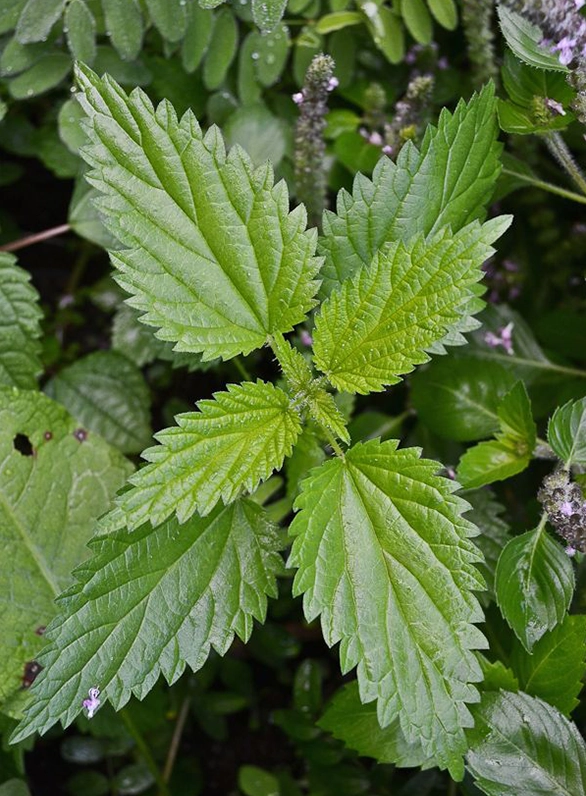
NETTLE LEAVES WHOLE – (URTICAE FOLIUM)
Nettle leaves (Urtica dioica), commonly known as stinging nettle, are the leaves of a perennial herb from the Urticaceae family. Nettle has been used for centuries in traditional medicine for its wide range of health benefits, including its ability to support the immune system, improve circulation, and alleviate symptoms of various conditions such as arthritis and allergies. It is known for its stinging hairs that release irritants when touched but offers numerous medicinal properties when properly prepared.
Botanical Characteristics of Nettle Leaves (Urticae Folium)
- Appearance: Nettle leaves are broad, heart-shaped, and jagged-edged, typically dark green in color. The leaves are covered with stinging hairs that cause a burning sensation upon contact with the skin. The plant can grow up to 1.5 meters (5 feet) in height and has small, inconspicuous greenish flowers.
- Habitat: Nettle is commonly found in temperate regions, particularly in Europe, Asia, and North America. It thrives in moist, nitrogen-rich soil, often growing in woodlands, along riverbanks, or in disturbed areas like gardens, fields, and roadsides. Nettle tends to grow in clusters and is often harvested in the spring before it flowers for maximum potency.
- Plant Part Used: The aerial parts of the plant, specifically the leaves, are used medicinally. The leaves are harvested in the spring when they are young and tender to ensure they contain the highest concentration of nutrients and active compounds.
Medicinal Uses and Health Benefits of Nettle Leaves (Urticae Folium)
Nettle leaves have a rich history of use in traditional medicine for various health conditions. The leaves are rich in vitamins, minerals, and other compounds that provide numerous therapeutic benefits. Here are some of the primary medicinal uses of nettle leaves:
Anti-inflammatory Effects
- Relieves Joint Pain and Arthritis: Nettle is well-known for its anti-inflammatory properties, making it beneficial for conditions like arthritis and muscle pain.
- How It Works: Nettle contains bioactive compounds such as flavonoids, phenolic acids, and lignans, which help reduce inflammation in the body by inhibiting the production of pro-inflammatory cytokines.
- How to Use: Nettle leaf tea or extracts can be consumed to reduce symptoms of inflammatory conditions like osteoarthritis, rheumatoid arthritis, and gout. Topical ointments made from nettle extract can also be applied to inflamed areas.
Supports Urinary Health
- Alleviates Symptoms of Benign Prostatic Hyperplasia (BPH): Nettle leaves are commonly used to help treat benign prostatic hyperplasia (BPH), a condition in men that involves the enlargement of the prostate gland.
- How It Works: Nettle has diuretic properties, which help to promote urine flow and reduce symptoms of BPH, such as frequent urination or difficulty in urination.
- How to Use: Nettle leaf tea or extracts can be consumed regularly to support prostate health. Some studies suggest that combining nettle with other herbs like saw palmetto may be particularly effective for men suffering from BPH.
Rich in Nutrients and Antioxidants
- Boosts Overall Health: Nettle leaves are highly nutritious, containing vitamins A, C, K, and several B-vitamins, as well as minerals like iron, calcium, magnesium, and potassium.
- How It Works: The nutrients in nettle support overall health, boosting the immune system, enhancing energy levels, and promoting skin and hair health. The antioxidant compounds, particularly vitamin C and flavonoids, help neutralize free radicals and protect the body from oxidative stress.
- How to Use: Regular consumption of nettle leaf tea, or adding fresh nettle leaves to soups and salads, can help provide a steady supply of essential vitamins and minerals.
Supports Respiratory Health
- Relieves Allergy Symptoms: Nettle is known for its effectiveness in managing symptoms of hay fever, seasonal allergies, and other respiratory conditions.
- How It Works: Nettle acts as a natural antihistamine, reducing the body’s allergic response to pollen, dust, or pet dander. It helps reduce symptoms such as sneezing, itching, and congestion.
- How to Use: Drinking nettle leaf tea or taking nettle extract during allergy season can help alleviate symptoms. Nettle has also been traditionally used to relieve asthma symptoms by reducing inflammation in the airways.
Supports Digestive Health
- Aids Digestion and Reduces Bloating: Nettle can help improve digestion and alleviate discomfort from bloating, indigestion, and constipation.
- How It Works: Nettle promotes healthy digestion by stimulating the production of gastric juices and bile, which aids in the breakdown of food. The diuretic properties of nettle also help reduce water retention and bloating.
- How to Use: Drinking nettle tea after meals can help promote digestion and reduce bloating. Nettle can also be used as a gentle tonic for constipation.
Supports Healthy Hair and Skin
- Promotes Hair Growth and Reduces Hair Loss: Nettle is often used to support hair health by stimulating circulation in the scalp and providing essential nutrients to the hair follicles.
- How It Works: Nettle contains silica and sulfur, which are important for the health of hair, skin, and nails. These compounds help strengthen hair and improve its texture.
- How to Use: Nettle leaf tea can be consumed for overall hair health, or a nettle-infused oil can be massaged into the scalp to promote hair growth and reduce dandruff.
Blood Sugar Regulation
- Helps Control Blood Sugar Levels: Nettle has been shown to have a mild hypoglycemic effect, helping to regulate blood sugar levels in individuals with diabetes.
- How It Works: Nettle’s compounds help improve insulin sensitivity and reduce blood sugar spikes after meals. It also helps support the pancreas, which plays a critical role in blood sugar regulation.
- How to Use: Nettle leaf tea may help manage blood sugar levels in people with type 2 diabetes when consumed regularly, though it should be used under the supervision of a healthcare provider.
Preparation Methods for Nettle Leaves (Urticae Folium)
Nettle leaves are typically consumed as tea, but they can also be used in tinctures, capsules, or as a food ingredient. Here are the most common methods of preparation:
Nettle Leaf Tea
- Preparation: To make nettle leaf tea, steep 1-2 teaspoons of dried nettle leaves in hot water for about 5-10 minutes. Strain the leaves and enjoy.
- How to Use: Drink 1-2 cups of nettle leaf tea per day to help with inflammation, urinary health, allergies, digestion, and overall wellness.
Nettle Tincture
- Preparation: Nettle tincture can be made by soaking fresh or dried nettle leaves in alcohol (vodka or ethanol) for 2-4 weeks. Strain the leaves and store the tincture in a dark glass bottle.
- How to Use: Take 10-20 drops of nettle tincture in water up to three times a day to support urinary health, joint pain, and overall health.
Nettle Capsules
- Preparation: Nettle capsules are available as a convenient supplement. These are typically made from dried nettle leaf powder or extract.
- How to Use: Follow the dosage instructions on the packaging, which typically recommend 1-2 capsules per day.
Nettle Leaf Infused Oil
- Preparation: Nettle leaves can be infused in a carrier oil like olive oil for several weeks to create a soothing oil for topical application.
- How to Use: Apply nettle oil to the skin or scalp to promote healthy hair and skin, or use it to relieve joint and muscle pain.
Nettle in Food
- Preparation: Fresh nettle leaves can be used in soups, stews, or added to smoothies. Ensure that the nettles are cooked or steamed to neutralize the stinging hairs before consumption.
- How to Use: Add fresh or dried nettle to recipes for a nutritional boost, or cook the leaves as you would spinach.