


We bring the taste to your home
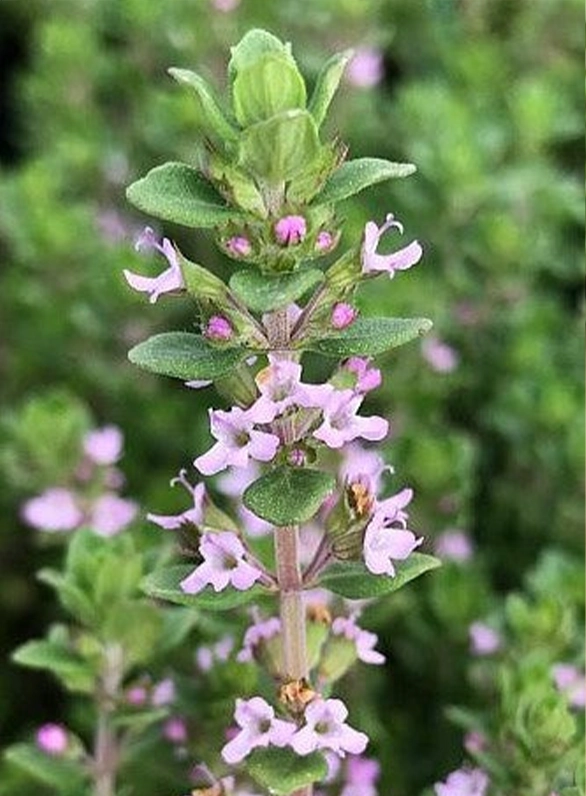
GARDEN THYME HERB – (THYMI VULG.HERBA)
Garden thyme (Thymus vulgaris) is a well-known perennial herb from the Lamiaceae family. It is widely used for culinary purposes but also has a rich history in traditional medicine. Known for its aromatic leaves, thyme is prized for its antiseptic, anti-inflammatory, and antimicrobial properties, making it a valuable herb both in the kitchen and in natural medicine.
Botanical Characteristics of Garden Thyme (Thymi Vulgaris Herba)
- Appearance: Garden thyme is a small, woody shrub that typically grows to a height of about 20-30 cm (8-12 inches). Its leaves are small, lance-shaped, and aromatic, with a grey-green color. The plant produces small purple or pink flowers that bloom in summer. The leaves have a strong, distinctive fragrance when crushed, which is characteristic of the Lamiaceae family.
- Habitat: Native to the Mediterranean region, garden thyme thrives in dry, rocky soils and sunny locations. It is commonly found in gardens and herb beds but can also grow wild in various temperate regions. It prefers well-drained soil and full sun.
- Plant Part Used: The aerial parts of the thyme plant (primarily the leaves and flowering tops) are used for medicinal purposes, while the stems and roots are generally not utilized. The leaves are harvested during the flowering stage, typically in late spring or early summer, when the plant is most potent.
Medicinal Uses and Health Benefits of Garden Thyme (Thymi Vulgaris Herba)
Garden thyme has a long history in herbal medicine, particularly for its antimicrobial, digestive, and respiratory benefits. Here are some of its key medicinal uses:
Antimicrobial and Antibacterial Properties
- Fights Infections: Thyme has powerful antimicrobial and antibacterial properties, making it effective against a range of infections. It has been traditionally used to treat respiratory infections, skin infections, and gastrointestinal issues.
- How It Works: The primary active compound in thyme is thymol, which has been shown to disrupt the cell membranes of bacteria and fungi, making them less able to thrive. It is particularly effective against Staphylococcus aureus, E. coli, and Salmonella, as well as various fungal infections.
- How to Use: Thyme can be used as a tea, oil, or in capsules to fight infections. Thyme oil, when diluted, can also be used topically to treat skin infections or wounds.
Respiratory Health
- Relieves Coughs, Bronchitis, and Asthma Symptoms: Thyme is a well-known remedy for respiratory issues like coughs, bronchitis, and asthma. Its soothing properties help to clear mucus, reduce inflammation, and support the immune system.
- How It Works: Thymol, the main active compound, has been found to relax the muscles of the respiratory tract, ease coughing, and promote the expulsion of mucus. Its antibacterial properties help eliminate the bacterial infections that often accompany respiratory issues.
- How to Use: Drinking thyme tea, inhaling steam with thyme oil, or using thyme-based syrups can help relieve coughs, bronchitis, and asthma symptoms. A few drops of diluted thyme essential oil can be added to hot water for steam inhalation.
Digestive Health
- Improves Digestion and Reduces Gas: Thyme is often used to improve digestion and relieve issues like indigestion, bloating, and flatulence. It is considered a carminative, meaning it helps to expel gas from the digestive tract.
- How It Works: Thyme stimulates the production of digestive enzymes, which aids in the breakdown of food and the absorption of nutrients. Its antimicrobial properties help balance the gut microbiome, which can be beneficial for digestive health.
- How to Use: Thyme tea or adding fresh thyme to meals can improve digestion and alleviate bloating or gas. A simple tea made from thyme can be drunk after meals to ease digestive discomfort.
Anti-inflammatory and Pain Relief
- Reduces Inflammation and Alleviates Pain: Thyme has anti-inflammatory properties that make it effective in relieving symptoms of conditions like arthritis, sore muscles, and joint pain.
- How It Works: The compounds in thyme, particularly thymol, help reduce the production of pro-inflammatory cytokines, which contribute to inflammation and pain.
- How to Use: Thyme tea can be consumed to reduce inflammation, or thyme essential oil can be diluted and applied topically to inflamed areas, such as aching muscles or joints.
Immune System Support
- Boosts Immunity: Thyme is rich in antioxidants, vitamins (especially vitamin C), and minerals, all of which help strengthen the immune system and protect against infections.
- How It Works: The antioxidants in thyme, such as flavonoids and phenolic compounds, help neutralize free radicals in the body, protecting cells from oxidative damage. Additionally, thyme’s antimicrobial properties can help prevent infections.
- How to Use: Regular consumption of thyme tea or thyme-based products can help enhance immunity and prevent illnesses like colds and flu.
Antioxidant Properties
- Fights Oxidative Stress and Aging: Thyme contains compounds that are powerful antioxidants, such as flavonoids and phenolic acids, which help protect cells from damage caused by free radicals.
- How It Works: By neutralizing free radicals, thyme helps prevent oxidative stress, which is linked to aging and the development of chronic diseases such as heart disease and cancer.
- How to Use: Drinking thyme tea regularly or incorporating fresh thyme into your diet can provide antioxidant benefits and help slow down aging.
Preparation Methods for Garden Thyme (Thymi Vulgaris Herba)
Thyme is versatile and can be used in various forms for both culinary and medicinal purposes. Here are some common preparation methods:
Thyme Tea
- Preparation: To prepare thyme tea, steep 1-2 teaspoons of dried thyme leaves (or a few fresh sprigs) in hot water for about 5-10 minutes. Strain and drink 1-2 cups per day to help with digestive, respiratory, and immune system support.
- How to Use: Thyme tea can be consumed regularly to improve digestion, alleviate respiratory issues, and provide general health benefits.
Thyme Essential Oil
- Preparation: Thyme essential oil can be purchased from health food stores or online. It is potent and should be diluted with a carrier oil (such as olive oil or coconut oil) before topical application.
- How to Use: Thyme essential oil can be applied to the chest or throat for respiratory relief, or diluted with a carrier oil and massaged into sore muscles or joints for pain relief. It can also be used in steam inhalation to help clear respiratory congestion.
Thyme Tincture
- Preparation: To make thyme tincture, soak fresh thyme leaves in alcohol (such as vodka) for 2-4 weeks, shaking the mixture daily. Afterward, strain the tincture and store it in a glass bottle.
- How to Use: Take 5-10 drops of thyme tincture daily to support immune health, fight infections, and reduce inflammation.
Thyme Capsules
- Preparation: Dried thyme can be ground into a powder and placed in capsules for easy consumption. Alternatively, pre-made thyme capsules can be found at health food stores.
- How to Use: Take thyme capsules according to the dosage instructions on the product label to support digestion, respiratory health, and immune function.