


We bring the taste to your home
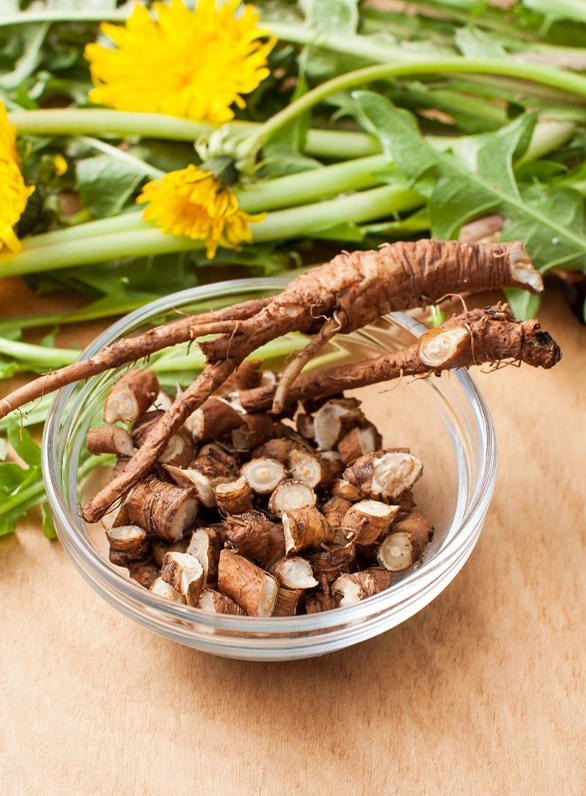
DANDELION ROOT – (TARAXACI RADIX)
Dandelion root (Taraxacum officinale) is another highly beneficial part of the dandelion plant, often used in traditional medicine for its wide range of therapeutic effects. Unlike the leaves, which are used primarily for digestive and detoxification purposes, the root is particularly valued for its support of liver health, detoxification, and its ability to aid digestion and support kidney function.
Botanical Characteristics of Dandelion Root (Taraxaci Radix)
- Appearance: The dandelion root is thick, taproot-like, and typically white or pale cream in color. It can grow up to 30 cm (12 inches) long and is often branched. It has a slightly bitter taste, which is characteristic of many plants in the Asteraceae family.
- Habitat: Dandelion roots grow in a variety of environments, including lawns, meadows, gardens, and disturbed soils. The plant is widely distributed and is found in temperate regions across the world.
- Plant Part Used: The root of the dandelion plant is the primary medicinal part, though the leaves and flowers also have uses. The root is usually harvested in the fall or spring when it is most nutrient-rich and potent.
Medicinal Uses and Health Benefits of Dandelion Root (Taraxaci Radix)
Dandelion root is renowned for its liver-supportive, detoxifying, and digestive properties. It is a rich source of beneficial compounds, including flavonoids, polyphenols, and inulin, a prebiotic fiber that supports gut health. Here are some of the key medicinal uses and health benefits:
Liver Health and Detoxification
- Supports Liver Function and Detoxification: Dandelion root is often used to support liver health and assist in detoxification processes. It enhances liver function by promoting bile production and aiding in the elimination of toxins from the body.
- How It Works: The root has choleretic properties, meaning it stimulates the production of bile, which is crucial for the digestion and absorption of fats. By increasing bile flow, dandelion root helps cleanse the liver and flush out waste and toxins.
- How to Use: Dandelion root can be consumed as a tea, tincture, or in capsules to help detoxify the liver and improve its function. Regular use can support overall liver health and detoxification.
Digestive Health
- Improves Digestion and Relieves Constipation: Dandelion root helps improve digestion by stimulating appetite, promoting the secretion of digestive juices, and supporting the overall digestive process.
- How It Works: The root enhances the production of bile in the liver, which helps with the breakdown and absorption of fats. It also has mild laxative properties that can aid in relieving constipation.
- How to Use: Dandelion root tea is commonly used to stimulate digestion, alleviate bloating, and relieve constipation. It can also be taken in tincture form for a more concentrated dose.
Diuretic Properties
- Helps with Water Retention and Kidney Health: Like the leaves, dandelion root is a natural diuretic, which means it helps the body expel excess water. This can help reduce bloating, swelling, and fluid retention.
- How It Works: Dandelion root promotes increased urine production, helping the kidneys flush out excess sodium and water from the body. This diuretic effect can be useful for individuals dealing with high blood pressure or edema (swelling).
- How to Use: Drinking dandelion root tea or taking it in tincture form can help reduce water retention and support kidney function. However, it should be used with caution in individuals on diuretic medications.
Supports Immune System Function
- Boosts Immunity: Dandelion root contains various antioxidants and compounds that support the immune system. It helps strengthen the body’s defenses against infections and diseases.
- How It Works: The flavonoids, polyphenols, and inulin in dandelion root possess antioxidant properties, which help protect the body from oxidative stress and free radical damage. This can enhance the immune system and protect against illnesses.
- How to Use: Regular consumption of dandelion root tea or tinctures can provide a natural immune boost, especially during cold and flu season.
Blood Sugar Regulation
- May Help Control Blood Sugar: Dandelion root has potential benefits for individuals with diabetes or those looking to regulate their blood sugar levels. It can help improve insulin sensitivity and support healthy blood sugar regulation.
- How It Works: Dandelion root has been shown to have mild hypoglycemic effects, which means it may help lower blood sugar levels by improving the body’s response to insulin.
- How to Use: Drinking dandelion root tea or taking it in capsule form may help support healthy blood sugar levels. However, individuals with diabetes should consult a healthcare provider before using dandelion root regularly.
Anti-inflammatory Effects
- Reduces Inflammation: Dandelion root has anti-inflammatory properties, which can help alleviate symptoms of inflammatory conditions such as arthritis, inflammatory bowel disease (IBD), and other inflammatory disorders.
- How It Works: The compounds in dandelion root, particularly the flavonoids, help reduce the production of pro-inflammatory cytokines, thus alleviating swelling, pain, and discomfort in the body.
- How to Use: Drinking dandelion root tea or taking dandelion root tincture can provide relief from inflammation, especially in the joints and digestive tract.
Rich in Nutrients
- Provides Essential Vitamins and Minerals: Dandelion root is packed with vitamins and minerals, including vitamins A, C, D, and B vitamins, as well as minerals such as potassium, magnesium, and iron.
- How It Works: These nutrients help maintain overall health, support the immune system, and contribute to healthy skin, bones, and metabolism.
- How to Use: Dandelion root, when consumed regularly as part of your diet (in tea or tincture form), can help ensure you’re getting essential vitamins and minerals, especially if you’re looking to support your liver, kidneys, and digestive system.
Preparation Methods for Dandelion Root (Taraxaci Radix)
Dandelion root can be used in various forms, including teas, tinctures, capsules, and even roasted as a coffee substitute. Here are some common preparation methods:
Dandelion Root Tea
- Preparation: To make dandelion root tea, use 1-2 teaspoons of dried dandelion root and steep it in hot water for about 10-15 minutes. You can also use fresh dandelion root if you have access to it, but dried root is more commonly used.
- How to Use: Drink 1-2 cups of dandelion root tea daily to support liver health, promote digestion, and help detoxify the body. You can also combine it with other detoxifying herbs like milk thistle or ginger for enhanced effects.
Dandelion Root Tincture
- Preparation: Dandelion root tincture can be made by soaking chopped dandelion roots in alcohol (such as vodka) for 2-4 weeks. After the infusion period, strain the mixture and store the tincture in a glass container.
- How to Use: Take 10-20 drops of dandelion root tincture, diluted in water, up to three times per day to support liver function, digestion, and kidney health.
Dandelion Root Capsules
- Preparation: Dandelion root is also available in capsule or tablet form, which provides a convenient way to reap the benefits without brewing tea.
- How to Use: Follow the dosage instructions on the product label. Typically, one or two capsules taken daily are recommended for digestive support and detoxification.
Roasted Dandelion Root (Coffee Substitute)
- Preparation: The root can be roasted to create a coffee substitute, which is caffeine-free and has a slightly bitter, earthy flavor.
- How to Use: To prepare, clean and chop dandelion root into small pieces, then roast it in the oven at a low temperature (about 250°F or 120°C) for 1-2 hours. After roasting, you can brew it like coffee or grind it to use in coffee substitutes.