


We bring the taste to your home
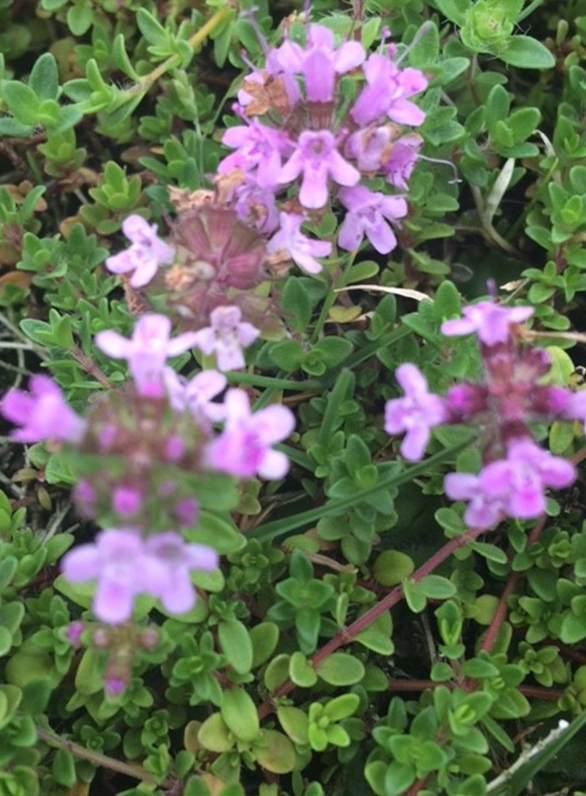
WILD/MOTHER THYME – (SERPYLLI HERBA)
Wild Thyme, also known as Mother Thyme (Thymus serpyllum), is a fragrant perennial herb that belongs to the Lamiaceae (mint) family. It is closely related to common garden thyme (Thymus vulgaris) but is often considered a more natural, wild-growing variety. Known for its strong, aromatic scent and culinary use, Wild Thyme also has a rich history in traditional medicine, particularly for its antiseptic, digestive, and respiratory benefits.
Botanical Characteristics of Wild/Mother Thyme (Serpylli Herba)
- Appearance: Wild Thyme is a low-growing herb with small, oval to round, green leaves that release a distinct thyme fragrance when crushed. The plant typically forms dense mats and produces small, pink to purple flowers during the summer months.
- Habitat: Wild Thyme grows in rocky, dry soils and is often found in Mediterranean regions, grasslands, and open woodlands. It thrives in sunny, well-drained areas and is highly adaptable to temperate climates.
- Plant Part Used: The aerial parts of Wild Thyme, particularly the leaves and flowers, are used for medicinal and culinary purposes. These parts are typically harvested during the flowering period when the plant’s essential oils are most concentrated.
Medicinal Uses and Health Benefits of Wild/Mother Thyme (Serpylli Herba)
Wild Thyme has a variety of medicinal applications, particularly for respiratory, digestive, and antimicrobial health. It is valued for its antiseptic, anti-inflammatory, and carminative properties.
Respiratory Health
- Relieves Respiratory Ailments: Wild Thyme is highly regarded for its ability to support respiratory health, particularly in cases of coughs, bronchitis, asthma, and colds.
- How It Works: The essential oils in Wild Thyme, especially thymol and carvacrol, have antimicrobial, expectorant, and anti-inflammatory properties. These compounds help clear mucus, reduce coughing, and ease symptoms of congestion and inflammation in the respiratory tract.
- How to Use: Wild Thyme can be consumed as tea, or the essential oil can be used in steam inhalations to clear the airways. A few drops of diluted essential oil in hot water can be inhaled to relieve coughing and sinus congestion.
Antimicrobial and Antiseptic Properties
- Fights Infections: Wild Thyme is known for its potent antimicrobial properties, which can help fight bacteria, viruses, and fungi. It has been traditionally used to treat infections of the skin, digestive system, and respiratory tract.
- How It Works: Thymol, the main active compound in Wild Thyme, has strong antibacterial, antiviral, and antifungal effects. It disrupts the membranes of pathogens, preventing them from spreading or multiplying in the body.
- How to Use: Wild Thyme tea can be consumed to treat digestive or respiratory infections, or it can be applied topically (in a diluted form) for minor skin infections or wounds. It is also used in mouthwashes for its ability to fight oral bacteria and freshen breath.
Digestive Health
- Supports Digestion and Reduces Bloating: Wild Thyme has mild carminative properties, which help improve digestion and alleviate common digestive issues such as indigestion, bloating, and flatulence.
- How It Works: The herb stimulates the production of bile and digestive enzymes, which help break down food more efficiently. It also helps relieve bloating by promoting the release of trapped gas from the digestive tract.
- How to Use: Wild Thyme tea can be consumed after meals to aid digestion and reduce bloating. It can also help soothe stomach discomfort and relieve gas buildup.
Anti-inflammatory Effects
- Reduces Inflammation: Wild Thyme has anti-inflammatory properties that can help relieve inflammation throughout the body, particularly in the respiratory and digestive systems.
- How It Works: The compounds in Wild Thyme inhibit the production of inflammatory cytokines, which helps reduce swelling, pain, and irritation. This makes Wild Thyme beneficial for conditions like arthritis and inflammatory bowel disease.
- How to Use: Drinking Wild Thyme tea regularly may help reduce systemic inflammation. The essential oil can also be applied topically (when diluted) to inflamed areas, such as sore muscles or joints.
Antioxidant Properties
- Fights Oxidative Stress: Wild Thyme contains antioxidants that help protect the body from the damage caused by free radicals, which are linked to aging and chronic diseases such as heart disease and cancer.
- How It Works: The flavonoids and phenolic compounds in Wild Thyme neutralize free radicals, protecting cells from oxidative damage and supporting overall cellular health.
- How to Use: Regular consumption of Wild Thyme tea or incorporating the herb into meals can provide the body with essential antioxidants to combat oxidative stress.
Mood and Stress Relief
- Alleviates Stress and Anxiety: Wild Thyme has mild calming effects and has been traditionally used to reduce stress, anxiety, and mild insomnia.
- How It Works: The calming effects are attributed to the herb’s ability to relax the nervous system and promote a sense of well-being, potentially through the action of its essential oils.
- How to Use: Wild Thyme tea can be consumed in the evening to relax and unwind. Aromatherapy using Wild Thyme essential oil may also help promote relaxation and reduce stress.
Preparation Methods for Wild/Mother Thyme (Serpylli Herba)
Wild Thyme is versatile and can be used in a variety of forms for both medicinal and culinary purposes. Here are some common methods for preparing and using Wild Thyme:
Wild Thyme Tea
- Preparation: Steep 1-2 teaspoons of dried Wild Thyme leaves and flowers in hot water for 5-10 minutes. For added flavor and health benefits, you can combine Wild Thyme with other herbs such as lemon balm, peppermint, or ginger.
- How to Use: Drink 1-2 cups of Wild Thyme tea per day to aid digestion, reduce inflammation, and relieve respiratory symptoms. It can be taken after meals to help with digestion or throughout the day to support respiratory health.
Wild Thyme Essential Oil
- Preparation: Wild Thyme essential oil is obtained through steam distillation of the leaves and flowers of the plant. It is very potent and should always be diluted before use.
- How to Use: Wild Thyme essential oil can be inhaled through steam inhalation for respiratory support, or diluted in a carrier oil (such as olive or coconut oil) and applied topically for skin infections or sore muscles. A few drops of diluted oil can also be added to a diffuser to reduce stress and anxiety.
Wild Thyme Tincture
- Preparation: A tincture can be made by soaking Wild Thyme leaves in alcohol (such as vodka or ethanol) for 2-4 weeks, then straining the mixture.
- How to Use: Take 10-15 drops of the tincture, diluted in water, 2-3 times daily to treat infections, improve digestion, or support respiratory health.
Culinary Use
- Preparation: Wild Thyme can be used fresh or dried in cooking. It is often used in Mediterranean and European cuisine to flavor meats, stews, soups, and sauces.
- How to Use: Add 1-2 teaspoons of dried Wild Thyme to dishes like roasted vegetables, grilled meats, or bean stews. It pairs well with other herbs such as rosemary, oregano, and bay leaves.