


We bring the taste to your home
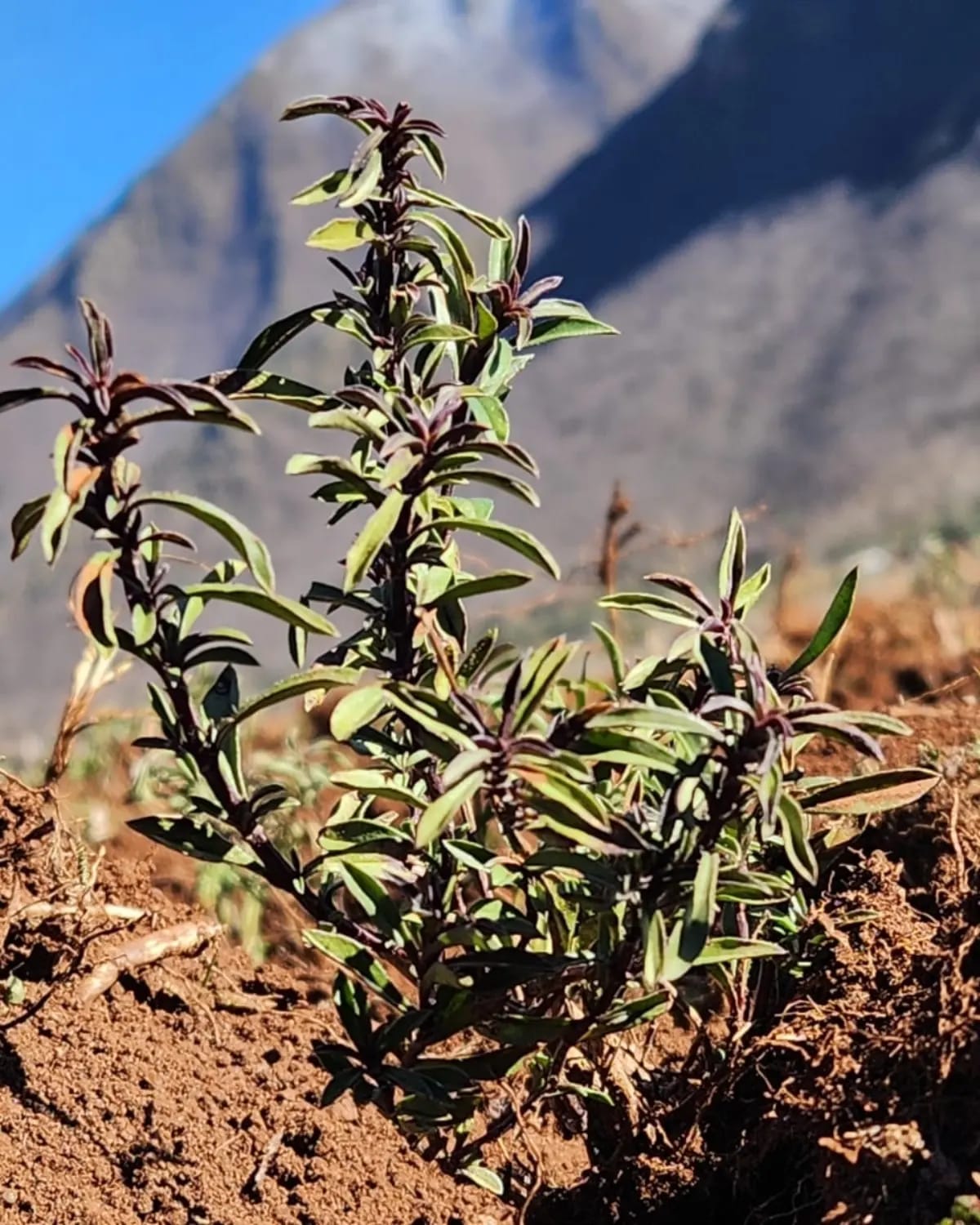
WINTER SAVORY LEAVES – (SATUREJA MONTANA HERBA)
Winter Savory (Satureja montana), also known as Mountain Savory or Winter Sage, is an aromatic herb from the Lamiaceae family, closely related to oregano and thyme. Native to the Mediterranean region, Winter Savory is known for its strong, peppery flavor and is commonly used in cooking, especially in Mediterranean cuisine. Beyond its culinary uses, it has numerous medicinal applications due to its antibacterial, anti-inflammatory, and digestive properties.
Botanical Characteristics of Winter Savory (Satureja montana)
- Appearance: Winter Savory is a perennial herb that grows to a height of about 30 to 60 cm (12 to 24 inches). It has woody stems, narrow, dark green leaves, and small white or pinkish flowers that bloom in the summer months. The leaves emit a strong, peppery fragrance when crushed.
- Habitat: Winter Savory thrives in well-drained, sunny, and rocky soils typical of the Mediterranean region. It is found in areas with a mild climate and can be cultivated in temperate regions. The plant prefers full sun exposure and is very hardy, often surviving cold winters.
- Plant Part Used: The leaves (Satureja Montana Herba) are the primary part of the plant used for medicinal purposes. They are harvested during the flowering period in the summer when they are most aromatic.
Medicinal Uses and Health Benefits of Winter Savory (Satureja montana)
Winter Savory is valued not only for its robust flavor in cooking but also for its medicinal properties. It has been traditionally used in herbal medicine for various health concerns, especially for digestive, respiratory, and antimicrobial benefits.
Digestive Health
- Improves Digestion: Winter Savory is a powerful digestive aid, traditionally used to promote healthy digestion and alleviate issues such as bloating, indigestion, and constipation.
- How It Works: The herb has mild carminative and stomachic properties, which stimulate the production of digestive enzymes and help alleviate gas, bloating, and digestive discomfort.
- How to Use: Winter Savory can be taken as a tea or used in cooking to aid digestion. A simple infusion made by steeping the leaves in hot water can help relieve bloating and support digestion.
Antibacterial and Antifungal Properties
- Fights Infections: Winter Savory contains essential oils, including carvacrol, thymol, and p-cymene, which exhibit strong antibacterial and antifungal effects. It has been used to fight infections in the digestive tract, skin, and respiratory system.
- How It Works: The active compounds in Winter Savory disrupt the cell membranes of bacteria and fungi, inhibiting their growth and preventing the spread of infections.
- How to Use: Winter Savory oil, diluted and applied topically, can be used to treat minor skin infections or fungal conditions. The herb can also be consumed in tea form to combat digestive or respiratory infections.
Anti-inflammatory Effects
- Reduces Inflammation: Winter Savory is known for its anti-inflammatory properties, which help alleviate symptoms of conditions like arthritis, muscle pain, and digestive inflammation.
- How It Works: The compounds in Winter Savory reduce the production of pro-inflammatory cytokines, which help reduce swelling and pain in the body.
- How to Use: Winter Savory tea or diluted oil can be applied topically for localized inflammation, such as sore muscles or joint pain. Regular consumption of the tea may also reduce systemic inflammation.
Respiratory Health
- Relieves Respiratory Issues: Winter Savory has been used traditionally to treat coughs, bronchitis, and other respiratory issues.
- How It Works: The herb’s antibacterial, antiviral, and anti-inflammatory properties help reduce inflammation in the airways, clear mucus, and fight infections that affect the respiratory system.
- How to Use: Drinking Winter Savory tea can help clear congestion, ease coughing, and relieve symptoms of upper respiratory infections. Inhaling the steam of Winter Savory can also be soothing for the lungs and airways.
Antioxidant Properties
- Fights Free Radicals: Winter Savory is rich in antioxidants, which help protect cells from oxidative damage caused by free radicals, a factor in aging and the development of chronic diseases.
- How It Works: The flavonoids, phenolic compounds, and essential oils in Winter Savory neutralize free radicals and protect against cellular damage, inflammation, and oxidative stress.
- How to Use: Regular consumption of Winter Savory tea or the use of the herb in cooking can help boost overall health and protect against chronic diseases.
Antispasmodic Effects
- Relieves Muscle Cramps and Spasms: Winter Savory has antispasmodic properties, making it effective in relieving muscle cramps and spasms.
- How It Works: The compounds in Winter Savory help relax the smooth muscles of the gastrointestinal tract, respiratory system, and skeletal muscles, reducing cramps and spasms.
- How to Use: Drinking Winter Savory tea or applying diluted essential oil to the affected area can help relax muscles and reduce spasms.
Preparation Methods for Winter Savory (Satureja montana)
Winter Savory can be used in various forms for both culinary and medicinal purposes. Below are some common methods for preparing and using Winter Savory:
- Winter Savory Tea:
- Preparation: To make Winter Savory tea, steep 1 to 2 teaspoons of dried Winter Savory leaves in hot water for 5 to 10 minutes. The tea can be consumed up to two times a day to support digestion, reduce inflammation, and promote overall health.
- How to Use: Drink the tea to relieve digestive discomfort, fight respiratory infections, or support general wellness.
- Winter Savory Oil:
- Preparation: Winter Savory essential oil can be purchased or made by extracting the oil from the plant’s leaves and stems. The oil should be diluted with a carrier oil (such as olive oil or coconut oil) before topical application.
- How to Use: Apply diluted Winter Savory oil to sore muscles, joints, or skin infections. The oil can also be used in aromatherapy or steam inhalations for respiratory support.
- Culinary Use:
- Winter Savory is often used fresh or dried in cooking, especially in Mediterranean cuisine. Its peppery, thyme-like flavor enhances dishes like soups, stews, roasted meats, and bean dishes.
- How to Use: Use 1 to 2 teaspoons of dried Winter Savory in your favorite savory dishes to improve digestion and add flavor. Fresh leaves can be chopped and sprinkled on dishes or used to season food.
- Winter Savory Tincture:
- Preparation: A tincture can be made by soaking Winter Savory leaves in alcohol (vodka or ethanol) for 2-4 weeks, then straining the mixture.
- How to Use: Take 10-15 drops of the tincture, diluted in water, 2-3 times daily to support digestion and relieve respiratory issues.