


We bring the taste to your home
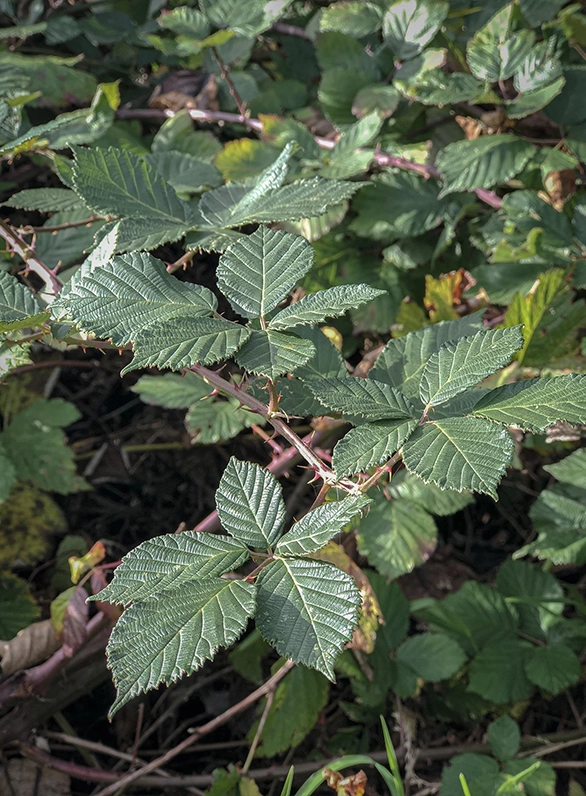
BLACKBERRY LEAVES – (RUBI FRUCTICOSI FOLIUM)
Blackberry Leaves (Rubi Fructicosi Folium) come from the blackberry plant (Rubus fruticosus), a member of the Rosaceae family. The plant is known for its dark purple-black fruits, but its leaves also have medicinal properties. Blackberry leaves have been used in traditional herbal medicine for their various therapeutic benefits, including anti-inflammatory, astringent, and antioxidant properties.
Botanical Characteristics of Blackberry (Rubus fruticosus)
- Appearance: The blackberry plant is a deciduous shrub that can grow as a bramble (a tangled, thorny shrub). The leaves are dark green, serrated, and have a hairy texture on the underside. The flowers are typically white or pale pink, and the plant produces dark, juicy blackberries in late summer.
- Habitat: Blackberry bushes grow in a variety of habitats, including woodland edges, meadows, and hedgerows, often in temperate regions. They are hardy plants that thrive in a wide range of soil conditions but prefer moist, well-drained soil.
- Plant Part Used: The leaves of the blackberry plant are used for medicinal purposes. They are typically harvested during the growing season before the berries appear.
Medicinal Uses and Health Benefits of Blackberry Leaves (Rubi Fructicosi Folium)
Blackberry leaves have been used for centuries for their healing and nutritional properties. Below are some of the primary benefits:
- Digestive Health
- Astringent and Anti-diarrheal: Blackberry leaves have a strong astringent action, which makes them effective in treating diarrhea, gastrointestinal irritation, and stomach cramps.
- How It Works: The tannins in blackberry leaves are responsible for the astringent effect, which helps tighten tissues and reduce the flow of fluids, thereby controlling diarrhea and other digestive discomforts.
- How to Use: To make blackberry leaf tea, steep 1-2 teaspoons of dried blackberry leaves in hot water for about 5-10 minutes. This tea can be consumed 1-2 times a day to help with diarrhea and other digestive issues.
- Oral Health and Sore Throat Relief
- Soothes Sore Throats and Gingivitis: Blackberry leaves have been used as a mouthwash or gargle for treating sore throats, gum inflammation (gingivitis), and mouth ulcers.
- How It Works: The astringent and anti-inflammatory properties of blackberry leaves help to reduce swelling and soothe sore tissues in the throat and mouth. The leaves also have mild antimicrobial properties that help in reducing bacterial growth.
- How to Use: Make a blackberry leaf infusion and use it as a gargle for sore throats or as a mouthwash for oral health. You can also chew fresh leaves for additional oral benefits.
- Skin Health
- Aids in Skin Healing: Blackberry leaves are known for their ability to promote skin healing and reduce inflammation in conditions like eczema, wounds, and minor burns.
- How It Works: The tannins in the leaves help to tighten and tone the skin, while the antioxidant properties of the leaves promote faster healing by reducing oxidative stress on the skin.
- How to Use: Blackberry leaf infusions or compresses can be applied to the skin to help soothe irritation, reduce inflammation, and promote wound healing. You can soak a clean cloth in the infusion and apply it to the affected area.
- Antioxidant and Immune Support
- Boosts Immunity: Blackberry leaves contain flavonoids and phenolic compounds, which are powerful antioxidants that help fight free radicals in the body, supporting immune health and protecting cells from damage.
- How It Works: The antioxidants in blackberry leaves neutralize free radicals, which are unstable molecules that can damage cells and contribute to aging and disease. This makes blackberry leaves helpful for general health maintenance and disease prevention.
- How to Use: Drinking blackberry leaf tea regularly can provide antioxidant support. This can be combined with other antioxidant-rich herbs like green tea or elderberry for enhanced effects.
- Anti-inflammatory and Pain Relief
- Reduces Inflammation and Pain: Blackberry leaves have mild anti-inflammatory properties, making them useful for conditions like arthritis, muscle pain, and joint inflammation.
- How It Works: The tannins and polyphenols in blackberry leaves help to reduce inflammation and may provide relief from joint pain and muscle soreness.
- How to Use: Blackberry leaf tea or topical compresses made from the leaf infusion can be used to reduce pain and inflammation. The tea may be consumed to help with internal inflammation, while a compress can be applied to the skin for localized pain relief.
- Antibacterial and Antifungal
- Fights Infections: Blackberry leaves have antimicrobial properties that can help fight against bacterial and fungal infections.
- How It Works: The tannins, flavonoids, and other compounds in blackberry leaves have been shown to have antibacterial and antifungal effects, making them useful in treating minor infections.
- How to Use: A blackberry leaf poultice or infusion can be applied to infected skin areas to help reduce infection and promote healing. Drinking the tea can also help support overall immune function.
Preparation Methods for Blackberry Leaves (Rubi Fructicosi Folium)
- Blackberry Leaf Tea: The most common way to use blackberry leaves is by making blackberry leaf tea.
- To prepare, steep 1-2 teaspoons of dried blackberry leaves in hot water for 5-10 minutes. Drink 1-2 cups per day for digestive support, oral health, and immune boosting.
- Blackberry Leaf Infusion: For topical use, blackberry leaf infusions can be applied to the skin for their soothing and healing properties. Simply steep 1-2 teaspoons of dried blackberry leaves in hot water, and apply the infusion to inflamed or irritated skin.
- Blackberry Leaf Poultice: To create a blackberry leaf poultice, crush fresh or dried blackberry leaves and apply them directly to the skin, especially for wounds, burns, or infections. Cover with a clean cloth and leave for 20-30 minutes.
- Blackberry Leaf Gargle: For sore throats or mouth ulcers, make a blackberry leaf gargle by steeping dried leaves in hot water. Gargle several times a day to help soothe the throat and reduce inflammation.