


We bring the taste to your home
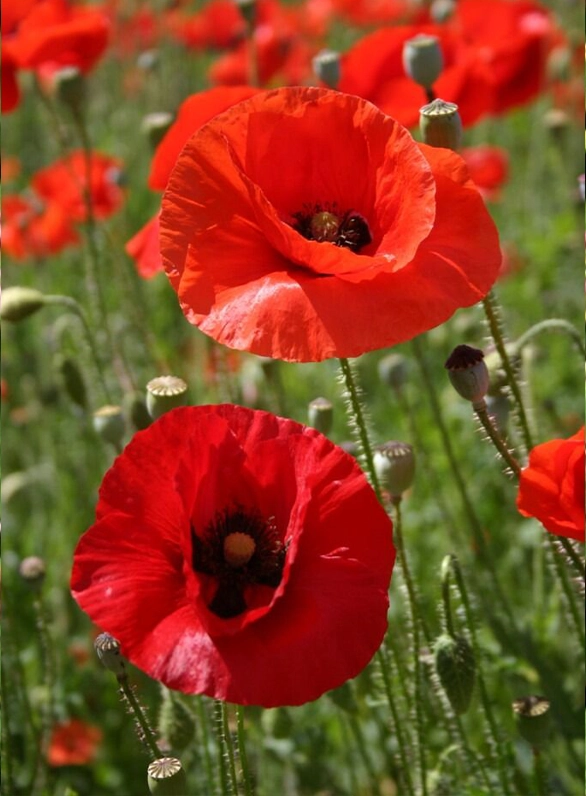
RED POPPY FLOWERS – (PAPAVERIS RHOEADOS FLOS)
Red Poppy Flowers (Papaveris rhoeados Flos), commonly known as the field poppy or corn poppy, are the bright red flowers from the plant Papaver rhoeas, a member of the Papaveraceae family. This plant is native to Europe, but it has spread to other parts of the world, particularly North America and Asia. The flowers are widely known for their striking color and symbolism, as well as for their historical and medicinal uses.
Botanical Characteristics of Red Poppy (Papaver rhoeas)
- Appearance: Red poppy plants typically grow to a height of 30-90 cm (1-3 feet). The flowers are vivid red, with black centers, and have delicate, papery petals. The leaves are feathered and green, and the plant produces capsules that contain small, round seeds, which are often used in culinary applications.
- Habitat: Red poppies are commonly found in fields, meadows, roadsides, and other disturbed land areas. They thrive in sunny locations with well-drained soil. They are often seen in agricultural areas and have a tendency to grow in grain fields, where they are considered a weed in some regions.
- Plant Part Used: The petals and sometimes the seeds of the poppy plant are used for medicinal purposes, though the flower petals are most commonly employed in herbal preparations.
Medicinal Uses and Health Benefits of Red Poppy Flowers (Papaveris rhoeados Flos)
Although Papaver rhoeas is a species of poppy, it differs significantly from the opium poppy (Papaver somniferum), which contains narcotic alkaloids like morphine and codeine. Red poppies are used primarily for their calming, sedative, and soothing effects, making them beneficial for various health concerns, particularly those related to sleep and anxiety.
- Mild Sedative and Sleep Aid
- Promotes Relaxation: Red poppy flowers are traditionally used to treat insomnia, anxiety, and nervous tension. The flowers contain compounds that have a calming effect on the nervous system.
- How It Works: The flowers of the red poppy are known to contain alkaloids like rhoeadine and protopine, which have mild sedative properties. These alkaloids help to induce relaxation and reduce restlessness.
- How to Use: Red poppy flower tea is the most common method of use. To prepare, steep 1-2 teaspoons of dried poppy petals in hot water for 5-10 minutes. Drink it before bed to help promote sleep and relieve anxiety.
- Cough Suppressant and Respiratory Support
- Soothes Cough and Irritation: Red poppy flowers have been traditionally used in herbal medicine as a natural remedy for coughs and respiratory issues. They help soothe irritated throats and ease the discomfort caused by a persistent cough.
- How It Works: The calming effects of red poppy flowers help reduce coughing spasms and inflammation in the respiratory tract. This makes them useful in the treatment of dry coughs, bronchitis, or mild asthma.
- How to Use: A soothing red poppy flower tea can help relieve irritation in the throat and reduce coughing. Alternatively, poppy flower syrup or extract can be used as a natural expectorant.
- Anxiety and Stress Relief
- Calms the Mind: The mild sedative properties of red poppy flowers make them beneficial for individuals suffering from stress, nervous tension, and anxiety.
- How It Works: The compounds in red poppy petals promote a sense of calm and relaxation without causing drowsiness, unlike stronger sedative herbs like valerian. Red poppy flowers can help relieve the symptoms of generalized anxiety or nervousness.
- How to Use: Drinking a cup of poppy flower tea before stressful situations, or as part of a relaxing bedtime routine, can help reduce anxiety and promote mental calmness.
- Mild Pain Relief
- Alleviates Mild Pain: Red poppy flowers have been used traditionally for pain relief, especially for headaches, mild muscle pain, and menstrual cramps.
- How It Works: While not as potent as stronger pain-relieving herbs, red poppy flowers offer mild analgesic effects. The alkaloids in the flowers help numb pain and reduce muscle tension.
- How to Use: Poppy flower tea or tinctures can be taken for relief from minor pain. Topical applications of poppy flower infusions can also be used for muscle pain or soreness.
- Digestive Health
- Promotes Digestive Comfort: Red poppy flowers have been used to promote healthy digestion and relieve digestive discomfort.
- How It Works: The calming and sedative effects of red poppy flowers can help reduce gastritis, bloating, and indigestion by relaxing the smooth muscles of the digestive tract. This helps reduce the feeling of fullness and discomfort after meals.
- How to Use: Drinking poppy flower tea after meals can help promote digestion and relieve gastric distress.
- Skin Health (Topical Use)
- Soothes Skin Irritations: Red poppy flowers can be used topically to help soothe skin irritations, inflammation, and minor wounds.
- How It Works: The anti-inflammatory and soothing properties of red poppy flowers can help calm itchy, red, or swollen skin. It may also be used to promote the healing of minor cuts and abrasions.
- How to Use: Poppy flower infusions or poppy oil can be applied topically to affected areas to reduce inflammation and promote skin healing.
Preparation Methods for Red Poppy Flowers (Papaveris rhoeados Flos)
- Poppy Flower Tea: One of the most common ways to consume red poppy flowers is by making a tea.
- To prepare, steep 1-2 teaspoons of dried red poppy petals in hot water for about 5-10 minutes. Drink 1-2 cups daily for promoting sleep, reducing anxiety, or soothing respiratory irritation.
- Poppy Flower Syrup: A syrup made from red poppy flowers can be used as a natural remedy for cough and respiratory issues. Honey and sugar are often used to make the syrup.
- Poppy Flower Tincture: A tincture made from the flowers can be used for more concentrated doses. This preparation is often used for its sedative and pain-relieving effects.
- Topical Applications: Poppy flower oil or infusions can be used topically for skin irritations or minor injuries.