


We bring the taste to your home
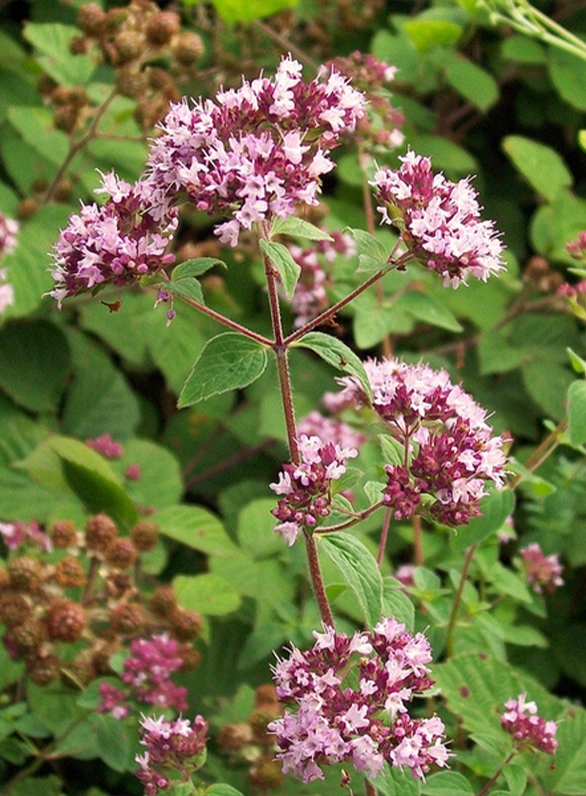
WHITE OREGANO HERB – (ORIGANI VULG V.VIRIDIS)
White Oregano Herb (Origanum vulgare var. viridis), a variety of oregano, is a perennial herb from the Lamiaceae family, which is native to Europe and Asia. It’s often referred to as a wild oregano or Greek oregano, and it’s closely related to the more common oregano (Origanum vulgare). White oregano, like its relatives, is well known for its culinary use as well as its medicinal properties.
Botanical Characteristics of White Oregano (Origanum vulgare var. viridis)
- Appearance: White oregano has ovoid, green leaves and small white or pale purple flowers that bloom in the summer. The leaves have a characteristic aromatic scent when crushed, which is a signature trait of the Lamiaceae family. The plant grows to a height of about 60 cm (2 feet) and has a bushy appearance.
- Habitat: White oregano grows in rocky or dry soils, and it thrives in full sun. It is typically found in Mediterranean climates, grassy hills, open woods, and areas with well-drained soil. It is highly adaptable and can be cultivated in herb gardens in temperate zones.
- Plant Part Used: The aerial parts (leaves and flowers) of the white oregano plant are used for medicinal purposes, as well as for culinary uses. The leaves are harvested when the plant is in full bloom, typically in summer.
Medicinal Uses and Health Benefits of White Oregano Herb (Origanum vulgare var. viridis)
White oregano has a rich history in traditional medicine, particularly in Europe and the Mediterranean. It is prized for its antioxidant, antibacterial, and anti-inflammatory properties. Here are some of the most well-known medicinal uses of white oregano:
- Antioxidant Properties
- Fights Free Radicals: White oregano is rich in antioxidants, especially phenolic compounds like carvacrol, thymol, and rosmarinic acid. These compounds help protect cells from oxidative stress caused by free radicals, which are linked to aging and chronic diseases such as cancer and heart disease.
- How It Works: The antioxidants in white oregano help neutralize free radicals in the body, thus reducing cellular damage and inflammation.
- How to Use: Drinking oregano tea made from the leaves or using oregano oil can help provide the antioxidant benefits of this herb.
- Antibacterial and Antifungal Properties
- Fights Infections: White oregano, particularly oregano oil, has powerful antibacterial and antifungal effects. It has been shown to effectively fight a variety of pathogens, including bacteria like E. coli, Salmonella, and Staphylococcus, as well as fungi like Candida.
- How It Works: The active compound carvacrol in oregano has been extensively studied for its ability to disrupt bacterial cell membranes, making it difficult for bacteria to thrive. The herb is effective in treating infections, especially those in the respiratory or digestive system.
- How to Use: Oregano oil is often diluted and used topically or taken internally (in proper doses) to fight skin infections or gut infections. Oregano tea can also be consumed to help with respiratory or digestive infections.
- Anti-inflammatory Effects
- Reduces Inflammation: White oregano is also known for its anti-inflammatory properties. The compounds in the herb, particularly carvacrol and rosmarinic acid, help reduce inflammation in the body, making it beneficial for conditions like arthritis, muscle pain, and swelling.
- How It Works: Oregano compounds block the pathways that trigger inflammatory responses in the body, helping alleviate symptoms of chronic conditions like rheumatoid arthritis, gout, and inflammatory bowel disease.
- How to Use: Regularly drinking oregano tea or applying oregano oil diluted with a carrier oil to affected areas can provide anti-inflammatory benefits for joint pain or muscle inflammation.
- Respiratory Health
- Relieves Coughs and Cold Symptoms: Oregano, especially white oregano, has been traditionally used to relieve symptoms of the common cold, bronchitis, and other respiratory infections.
- How It Works: The antibacterial and anti-inflammatory properties of oregano help soothe the airways, reduce phlegm, and alleviate congestion. It may also help with coughing and asthma symptoms by loosening up mucus and promoting better airflow in the lungs.
- How to Use: Drinking oregano tea made from fresh or dried oregano leaves can help relieve cold symptoms, while oregano oil can be inhaled through a steam inhalation method for respiratory relief.
- Digestive Health
- Improves Digestion and Reduces Gas: Oregano has long been used to improve digestion, reduce bloating, and treat gas and indigestion.
- How It Works: The herb stimulates the production of digestive enzymes, which aid in food breakdown and absorption. Oregano also has mild carminative properties, which help alleviate bloating and gas.
- How to Use: Oregano tea can be consumed after meals to promote healthy digestion. Oregano oil can also be used to support digestion, but it should be diluted properly before use.
- Immune System Support
- Boosts Immunity: White oregano contains compounds that support the immune system, helping the body resist infections and fight off pathogens.
- How It Works: The antioxidants and antimicrobial compounds in oregano enhance the body’s natural defense mechanisms by strengthening the immune response. It may also help alleviate symptoms of flu or fevers.
- How to Use: Regular consumption of oregano tea or the use of oregano oil (in moderate amounts) can help boost the immune system and protect against common illnesses like colds and flu.
- Antiviral Properties
- Fights Viruses: White oregano has demonstrated potential in combating viral infections, especially in relation to the herpes virus and respiratory viruses.
- How It Works: Carvacrol in oregano has been shown to have antiviral properties by inhibiting viral replication, which may help prevent or shorten the duration of viral infections.
- How to Use: Oregano oil can be taken (in diluted form) or used topically for its antiviral benefits, particularly in preventing viral infections like cold sores or flu.
Preparation Methods for White Oregano Herb (Origanum vulgare var. viridis)
- Oregano Tea: One of the simplest and most common ways to use white oregano is by making oregano tea.
- To prepare, steep 1-2 teaspoons of dried oregano leaves in hot water for about 5-10 minutes. Drink up to 2 cups per day to benefit from its antibacterial, anti-inflammatory, and digestive effects.
- Oregano Oil: Oregano essential oil is often diluted and used for topical applications or internal use (in small doses) to fight infections and reduce inflammation.
- Oregano oil can be diluted with a carrier oil (like coconut oil or olive oil) for skin applications, or it can be added to a carrier liquid (like water or tea) for internal consumption.
- Oregano Capsules: Some people prefer oregano capsules or oregano extracts as a convenient way to get the benefits of the herb without having to brew tea or use oil.
- Oregano Tincture: A tincture of oregano can be prepared by soaking the leaves in alcohol (vodka or ethanol) for 2-4 weeks, then using 5-10 drops per dose to treat infections or inflammation.