


We bring the taste to your home
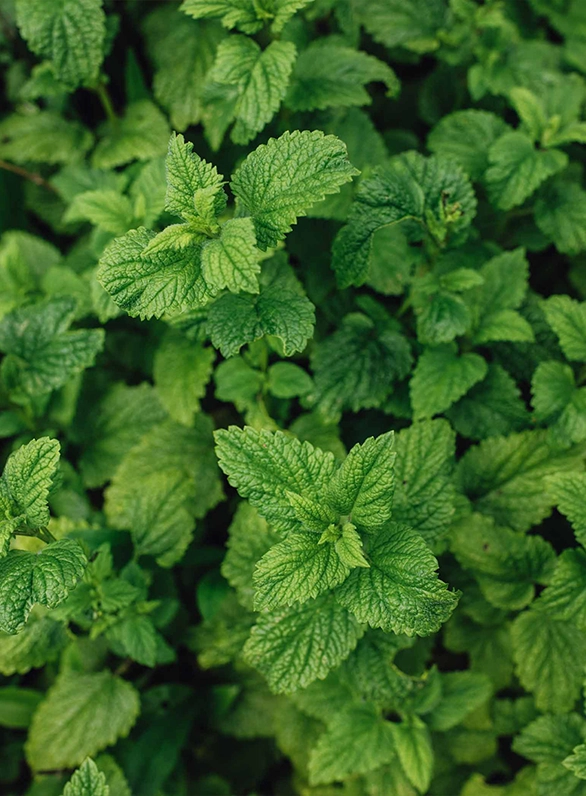
BALM LEAVES CUT – (MELISSAE FOLIUM/HERBA)
Balm Leaves Cut (Melissae Folium/Herba), also known as Lemon Balm (Melissa officinalis), is a perennial herb from the Lamiaceae family, renowned for its lemon-scented leaves. This aromatic herb has been used for centuries for its calming, digestive, and antioxidant properties. Lemon balm is especially popular for promoting relaxation, reducing anxiety, and improving mood. It is also known for its beneficial effects on sleep and cognitive function.
Botanical Characteristics of Balm Leaves (Melissae Folium/Herba)
- Appearance: Lemon balm has heart-shaped, toothed leaves with a soft, downy texture. The leaves release a lemon fragrance when crushed, making them easily identifiable. The plant grows to about 30-80 cm in height and produces small white or pale pink flowers in the summer.
- Habitat: Native to Southern Europe, lemon balm thrives in sunny gardens, meadows, and temperate regions. It prefers well-drained soil and can be grown in pots or in the ground.
- Plant Part Used: The leaves and aerial parts of the lemon balm plant are harvested for medicinal use, with the dried leaves being commonly used in teas, tinctures, and capsules.
Medicinal Uses and Health Benefits of Balm Leaves (Melissae Folium/Herba)
Lemon balm is a versatile herb, known primarily for its relaxing, antioxidant, and digestive properties. Here are some of the most notable health benefits:
- Calming and Relaxation
- Reduces Anxiety and Stress: Lemon balm has been traditionally used to ease nervous tension, anxiety, and stress. It acts as a mild calming agent, helping to relax both the mind and body without causing drowsiness.
- How It Works: Lemon balm contains rosmarinic acid, which has been shown to have antidepressant and anxiolytic (anxiety-reducing) effects. It can help balance mood by increasing levels of the neurotransmitter gamma-aminobutyric acid (GABA), which plays a role in reducing feelings of anxiety.
- How to Use: Lemon balm tea is one of the most common ways to use this herb for calming purposes. It can be consumed throughout the day to manage stress or taken before bedtime to improve sleep quality. A few drops of lemon balm tincture can also be added to water for quick relief from anxiety.
- Promotes Better Sleep
- Natural Sleep Aid: Lemon balm is widely used as a natural remedy for insomnia and sleep disturbances. It is often combined with other herbs like chamomile or valerian root to enhance its sedative effects.
- How It Works: Lemon balm has mild sedative properties that help induce a feeling of calm and relaxation, making it easier to fall asleep. It has been shown to help reduce sleep latency (the time it takes to fall asleep) and improve the quality of sleep.
- How to Use: Lemon balm tea taken before bed can promote restful sleep. You can also use it in combination with other calming herbs for a bedtime infusion.
- Supports Digestion and Relieves Indigestion
- Aids Digestion and Alleviates Gas: Lemon balm has been used for centuries as a remedy for digestive discomfort, including bloating, indigestion, and gas. It is known to have mild carminative properties, helping to relieve discomfort in the stomach and intestines.
- How It Works: The herb promotes digestive health by soothing the gastrointestinal tract and reducing inflammation. It helps alleviate symptoms of gastrointestinal upset by calming stomach spasms and nausea.
- How to Use: Drinking lemon balm tea after meals can help promote digestion and ease discomfort. It can also be included in herbal digestive blends to support overall digestive health.
- Supports Cognitive Function and Mental Clarity
- Improves Memory and Focus: Lemon balm has been traditionally used to support cognitive function and mental clarity. Studies suggest that lemon balm may enhance memory, concentration, and overall mental performance.
- How It Works: Lemon balm contains antioxidants that protect brain cells from oxidative stress, which can impair cognitive function. It also has mild cognitive-enhancing effects, possibly due to its ability to increase acetylcholine levels, a neurotransmitter involved in learning and memory.
- How to Use: Drinking lemon balm tea regularly may support cognitive function. Lemon balm can also be consumed as part of herbal memory-enhancing formulas.
- Antioxidant and Anti-inflammatory Effects
- Fights Oxidative Stress: Lemon balm is rich in antioxidants, such as rosmarinic acid and flavonoids, which help combat oxidative stress and reduce inflammation in the body.
- How It Works: The antioxidants in lemon balm neutralize free radicals and reduce inflammation, protecting the body from cellular damage and reducing the risk of chronic diseases such as heart disease, cancer, and diabetes.
- How to Use: Consuming lemon balm tea regularly can provide antioxidant protection. The herb may also be taken in capsule or tincture form as part of a comprehensive antioxidant protocol.
- Antiviral and Antibacterial Properties
- Helps Fight Infections: Lemon balm has antiviral and antibacterial properties, making it helpful for fighting infections, particularly those caused by the herpes simplex virus (HSV), which causes cold sores.
- How It Works: Lemon balm has been shown to inhibit the replication of herpes simplex virus and can be used both internally and topically to manage outbreaks.
- How to Use: A lemon balm tea can help reduce the frequency and severity of cold sores. Topical application of lemon balm ointments or creams may also be effective for managing herpes outbreaks.
Preparation Methods for Balm Leaves (Melissae Folium/Herba)
- Lemon Balm Tea: To prepare lemon balm tea, use 1-2 teaspoons of dried lemon balm leaves (or a handful of fresh leaves) per cup of hot water. Let it steep for 5-10 minutes, then strain and enjoy. You can drink this tea up to 2-3 times a day for relaxation, digestive support, or sleep.
- Lemon Balm Tincture: A lemon balm tincture can be made by steeping fresh lemon balm leaves in alcohol (such as vodka) for several weeks. A few drops of this tincture can be taken in water to help with anxiety, sleep, and digestive discomfort.
- Lemon Balm Oil or Cream: Lemon balm can be infused into oils, such as olive oil, or used in creams to create topical treatments for skin irritations, cold sores, or inflammation.
- Lemon Balm Capsules: Lemon balm is available in capsule or tablet form, which is a convenient way to take a standard dosage for its calming and cognitive benefits.