


We bring the taste to your home
COLTSFOOD LEAVES – (FARFARAE FOLIUM)
Coltsfoot Leaves (Farfarae Folium) come from the plant Tussilago farfara, a perennial herb belonging to the Asteraceae family. Known for its medicinal properties, especially in supporting respiratory health, Coltsfoot has a long history of use in traditional herbal medicine.
Botanical Characteristics of Coltsfoot
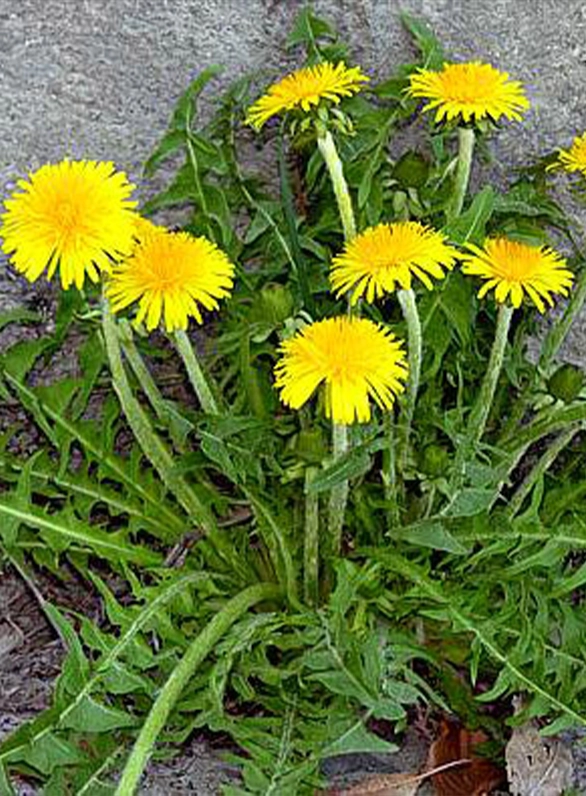
- Appearance: Coltsfoot is a herbaceous plant that typically grows to about 12–18 inches (30–45 cm) tall. The leaves are large, heart-shaped, and coarsely toothed. The plant blooms in early spring with bright yellow, dandelion-like flowers before the leaves appear.
- Parts Used: The main medicinal part of the plant is the leaves, though the flowers and roots have also been used in herbal preparations.
Medicinal Uses and Health Benefits of Coltsfoot Leaves
Coltsfoot is primarily known for its benefits related to the respiratory system, but it also has a variety of other uses.
- Respiratory Health
- Coughs and Bronchitis: Coltsfoot has been traditionally used as an herbal remedy for respiratory issues, particularly coughs, bronchitis, and other chest ailments. It acts as an expectorant, helping to loosen mucus and making it easier to expel.
- Soothing Effect: The leaves contain mucilage, which provides a soothing effect on irritated tissues in the throat and lungs. This makes coltsfoot an effective remedy for dry coughs and sore throats.
- How to Use: Coltsfoot can be taken as a tea or syrup to relieve coughing, chest congestion, and bronchial irritation. The tea is prepared by steeping the dried leaves in hot water.
- Antispasmodic and Anti-inflammatory
- Muscle Relaxant: Coltsfoot has mild antispasmodic properties that can help relax smooth muscles in the airways, which is particularly helpful for conditions like asthma or chronic bronchitis. It helps reduce spasms in the bronchial tubes, making breathing easier.
- Anti-inflammatory Effects: Coltsfoot also has anti-inflammatory effects that can help reduce swelling in the respiratory tract, which is useful for individuals with chronic respiratory conditions.
- How to Use: Coltsfoot can be consumed as a tea, tincture, or syrup for its antispasmodic effects, particularly in managing asthma or respiratory irritations.
- Skin Health
- Wound Healing: The leaves of coltsfoot have been traditionally used in poultices or topical preparations for healing minor wounds, cuts, bruises, and skin inflammations. The anti-inflammatory and soothing properties of the herb help reduce irritation and speed up the healing process.
- How to Use: Coltsfoot leaves can be used in a poultice by crushing fresh leaves and applying them directly to the affected area, or you can use a coltsfoot ointment or salve for the same purpose.
- Diuretic
- Supports Kidney Function: Coltsfoot has mild diuretic properties, which means it can help promote urine production and support kidney health. This makes it useful for individuals dealing with mild fluid retention or urinary tract infections.
- How to Use: Coltsfoot can be consumed as a tea to help increase urine output and support the body’s detoxification process.
- Detoxification and General Health
- Detoxing Properties: Coltsfoot has traditionally been used as part of detoxifying herbal blends. Its ability to help cleanse the respiratory system, as well as its mild diuretic action, contributes to its detoxifying effects on the body.
- How to Use: For detoxification purposes, coltsfoot can be used in teas or tinctures, often combined with other cleansing herbs.
Preparation Methods
- Tea: Coltsfoot tea is a popular way to use the leaves for respiratory health. To prepare the tea, steep 1–2 teaspoons of dried coltsfoot leaves in a cup of hot water for about 10–15 minutes. It can be consumed up to 3 times a day to help with coughing and bronchial irritation.
- Tincture: A tincture made from the leaves can be taken to support respiratory health and soothe coughs. Follow the dosage instructions on the tincture bottle, usually about 1–2 teaspoons a few times a day.
- Syrup: Coltsfoot syrup, made by infusing the leaves in honey or sugar, is another popular method for taking the herb. It is especially effective for soothing a sore throat and cough.
- Poultice: Fresh or dried coltsfoot leaves can be mashed and applied topically as a poultice for wounds, bruises, or inflamed skin.