


We bring the taste to your home
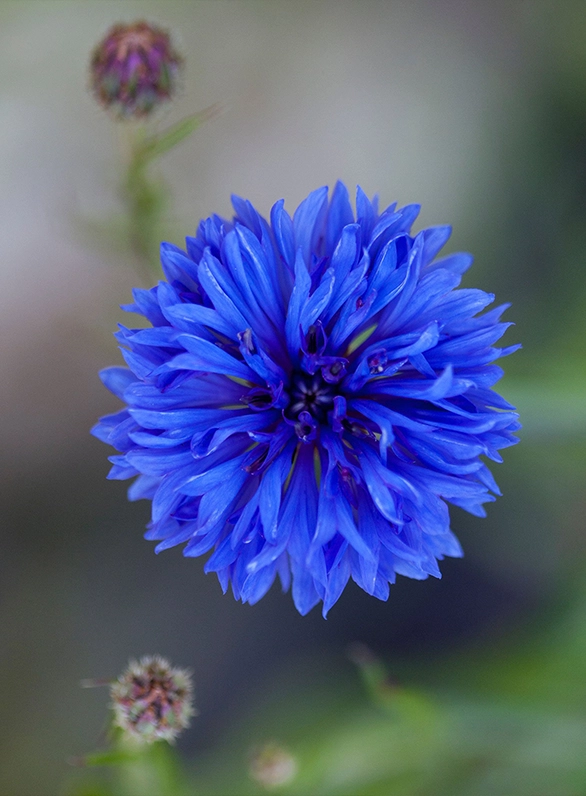
CORNFLOWERS SINE CAL – (CYANI FLOS SINE CAL)
Cornflowers Sine Cal (also known as Cyani Flos Sine Cal) refer to cornflower flowers (Centaurea cyanus) without their calyx (the outer protective part of the flower). Cornflowers, also known as bachelor’s buttons, are vibrant blue flowers that have been used in herbal medicine for centuries, particularly for their soothing, anti-inflammatory, and diuretic properties.
Key Characteristics:
- Botanical Name: Centaurea cyanus
- Common Name: Cornflower, Bachelor’s Button
- Family: Asteraceae
- Part Used: The flower petals (without the calyx) are used medicinally.
- Appearance: Cornflower flowers are striking with their intense blue color, although they can also come in pink, purple, or white varieties. The flowers are typically about 2-3 cm in diameter and have a unique, thistle-like appearance with many thin, spiky petals.
Traditional Uses:
- Anti-inflammatory: Cornflowers have been traditionally used to reduce inflammation in the body. They are especially popular for their soothing effects on the skin and the eyes.
- Eye Health: Cornflower petals are used in herbal medicine to alleviate eye strain, reduce irritation, and soothe inflamed or tired eyes. They are commonly used in eye washes and as an ingredient in eye drops for conditions like conjunctivitis or blepharitis.
- Diuretic: Cornflowers are mildly diuretic, promoting urine production and helping to expel excess fluids from the body. This makes them useful for conditions like water retention or mild urinary tract infections.
- Skin Care: Cornflower extracts are used in topical applications to soothe skin irritations, reduce puffiness, and calm inflamed skin, especially under the eyes. They have mild astringent and anti-inflammatory properties.
- Digestive Health: Some traditional uses include using cornflower to support digestive health by promoting digestion and reducing bloating or mild gastrointestinal discomfort.
Active Compounds:
- Flavonoids: Cornflowers contain various flavonoids like quercetin and kaempferol, which are known for their antioxidant, anti-inflammatory, and anti-allergic properties.
- Tannins: These compounds have astringent properties that help tighten tissues and reduce inflammation, which is especially beneficial for skin and eye health.
- Essential Oils: The flowers contain mild essential oils that contribute to their calming and anti-inflammatory effects.
- Phenolic Acids: These contribute to the plant’s antioxidant activity, helping to neutralize free radicals and protect cells from oxidative damage.
Modern Uses:
- Herbal Teas: Cornflower petals are sometimes included in herbal tea blends, particularly those aimed at soothing digestive issues or reducing inflammation.
- Eye Compresses: Cornflower petals, often in the form of an infusion, are commonly used as an eye compress to relieve eye strain, reduce puffiness, and ease irritation caused by allergies or fatigue.
- Skin Care Products: Cornflower extracts are often found in natural skincare products, such as lotions, toners, and eye creams, due to their calming, anti-inflammatory, and antioxidant properties.
- Tinctures: Cornflower tinctures are sometimes used as a mild diuretic and to support digestion. They may also be used in formulations for eye health or skin care.