


We bring the taste to your home
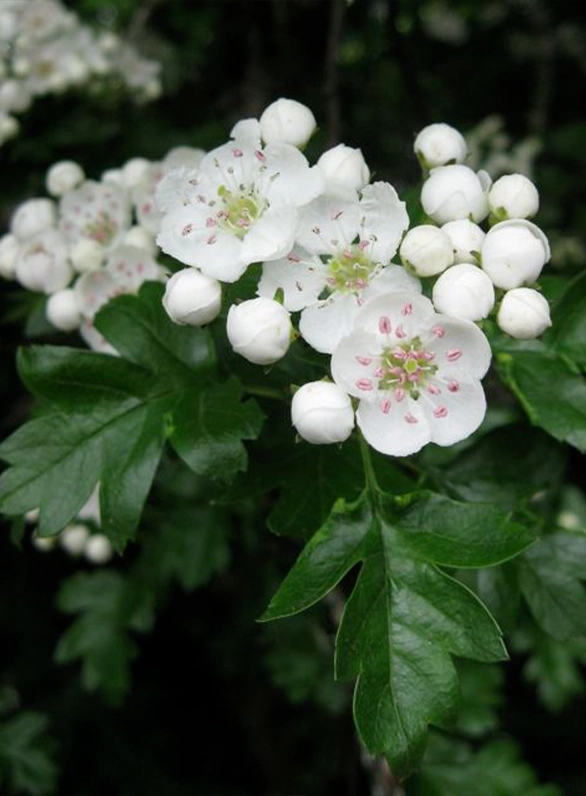
HAWTHOM LEAVES + FLOWERS – (CRATAEGI FOLIUM C/FLOS)
Hawthorn Leaves and Flowers (also known as Crataegi Folium c/Flos) refer to the combined aerial parts (leaves and flowers) of the hawthorn tree (Crataegus spp.). This combination is often used in herbal medicine due to its synergistic effects on cardiovascular health, with both the leaves and flowers contributing to the plant’s medicinal properties.
Key Characteristics:
- Botanical Name: Crataegus spp. (often Crataegus monogyna or Crataegus laevigata for common hawthorn)
- Common Name: Hawthorn, Hawthorn Leaves and Flowers
- Family: Rosaceae
- Part Used: The leaves and flowers (dried for medicinal use)
- Appearance: The leaves are lobed with a rough texture, while the flowers are small, white or pinkish, and form dense clusters. The plant blooms in late spring to early summer and produces red berries in the fall.
Traditional Uses:
- Cardiovascular Health: Both hawthorn leaves and flowers have long been used to improve heart function, strengthen the heart muscle, and enhance blood circulation. They are often used to support conditions like mild heart failure, angina, arrhythmias, and hypertension.
- Improved Circulation: Hawthorn is known to help dilate blood vessels and improve blood flow, which can help with conditions like poor circulation, varicose veins, and cold hands and feet.
- Blood Pressure Regulation: Hawthorn has mild vasodilatory effects, helping to lower blood pressure and prevent it from spiking.
- Anxiety and Stress Relief: The combination of leaves and flowers can have a calming effect on the nervous system. It is often used to reduce anxiety and promote relaxation.
- Antioxidant and Anti-inflammatory: The flavonoids and phenolic compounds found in hawthorn leaves and flowers have antioxidant and anti-inflammatory properties, which help reduce oxidative stress and inflammation, particularly in the cardiovascular system.
- Digestive Support: Some people use hawthorn leaves and flowers to support digestion, as they are thought to help with indigestion and mild stomach discomfort.
Active Compounds:
- Flavonoids (e.g., quercetin, rutin, hyperoside): These contribute to hawthorn’s antioxidant, anti-inflammatory, and cardioprotective effects.
- Procyanidins: These are potent antioxidants that improve blood vessel health and enhance the function of the cardiovascular system.
- Triterpenes: These compounds help improve circulation and have mild vasodilatory effects.
- Phenolic Acids: Known for their antioxidant properties, they protect the body from oxidative damage and support heart health.
- Chlorogenic Acid: Found in the leaves, it has antioxidant and anti-inflammatory effects that support overall cardiovascular health.
Modern Uses:
- Herbal Teas: Hawthorn leaves and flowers are commonly used in tea, either alone or in combination with other herbs. This tea is often consumed to support heart health, improve circulation, and reduce stress.
- Supplements: Hawthorn leaf and flower extracts are widely available in capsule, tablet, and liquid form. These supplements are primarily used for supporting cardiovascular health and improving circulation.
- Tinctures: Hawthorn tinctures (liquid extracts) made from both leaves and flowers are used for a variety of cardiovascular concerns, including mild heart failure, blood pressure regulation, and anxiety relief.
- Skincare: Hawthorn extracts are sometimes used in topical skincare products for their antioxidant properties, helping to protect skin cells from oxidative damage and reduce inflammation.