


We bring the taste to your home
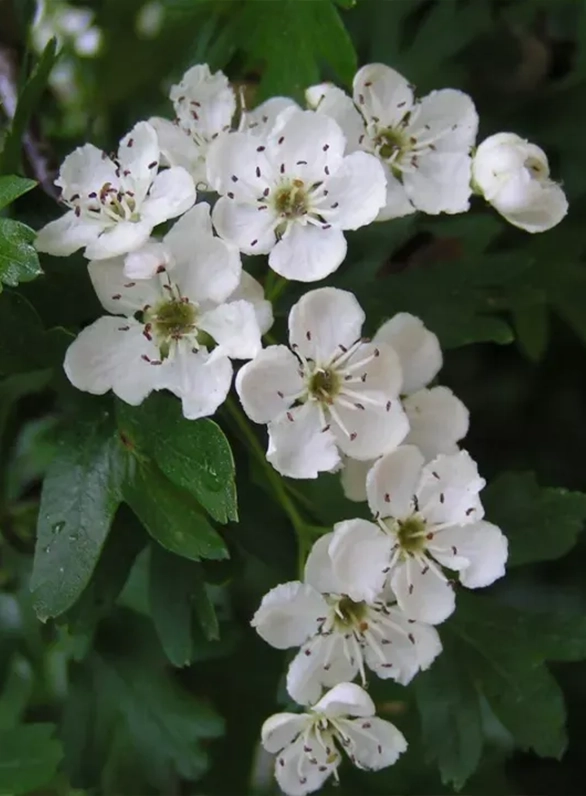
HAWTHOM FLOWERS – (CRATAEGI FLOS)
Hawthorn Flowers (also known as Crataegi Flos) come from the hawthorn tree (Crataegus spp.), a member of the Rosaceae family. Hawthorn flowers, along with the leaves and berries, have been used in traditional herbal medicine for centuries, especially for their benefits in supporting heart health and improving circulation.
Key Characteristics:
- Botanical Name: Crataegus spp. (often Crataegus monogyna for common hawthorn)
- Common Name: Hawthorn, Hawthorn Blossom
- Family: Rosaceae
- Part Used: The flowers (usually dried for medicinal use), though leaves and berries are also commonly used.
- Appearance: Hawthorn flowers are small, white or pinkish, and often clustered together in dense, rounded blooms. The tree itself is small to medium-sized, with thorny branches, and it produces bright red berries in the fall.
Traditional Uses:
- Heart Health: Hawthorn flowers are most famously used to support cardiovascular health. They are believed to strengthen the heart, improve circulation, and regulate blood pressure. Hawthorn is often used for conditions like mild heart failure, angina, and arrhythmias.
- Antioxidant Properties: Hawthorn flowers contain flavonoids and other antioxidant compounds that help reduce oxidative stress, which can protect the heart and other organs from damage due to free radicals.
- Digestive Support: Traditionally, hawthorn flowers have been used to support digestion, particularly in cases of indigestion or mild stomach discomfort.
- Anxiety and Stress Relief: Hawthorn flowers have mild sedative effects that can help calm the nervous system, reduce anxiety, and promote relaxation. They are sometimes used in blends for better sleep or stress reduction.
- Anti-inflammatory: The flowers possess anti-inflammatory properties, making them useful for conditions involving inflammation, particularly in the cardiovascular system.
Active Compounds:
- Flavonoids (e.g., quercetin, rutin, hyperoside): These compounds contribute to hawthorn’s antioxidant, anti-inflammatory, and heart-protective effects.
- Procyanidins: These compounds, found in hawthorn berries, have cardioprotective properties and help improve blood vessel health.
- Triterpenes: These compounds are believed to contribute to hawthorn’s ability to relax blood vessels and improve circulation.
- Phenolic Acids: These contribute to the plant’s antioxidant effects, supporting overall cardiovascular and cellular health.