


We bring the taste to your home
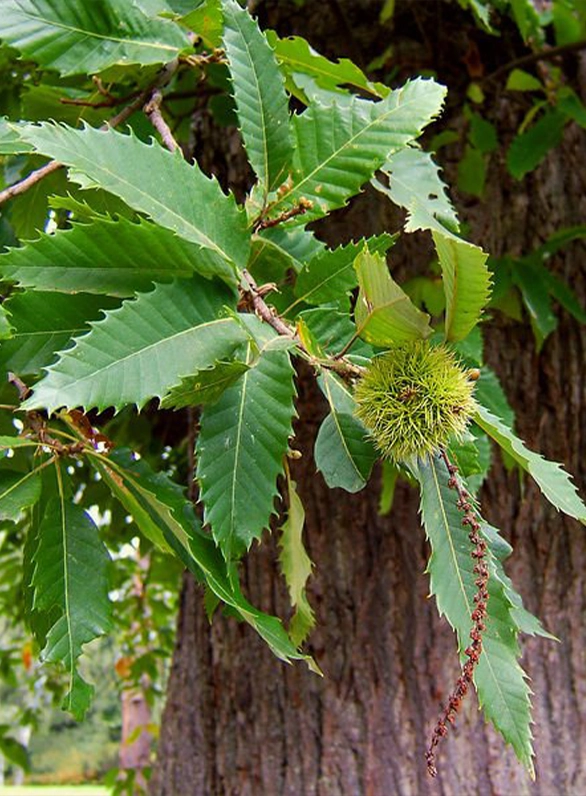
CHESTNUT LEAVES – (CASTANEAE FOLIUM)
Chestnut Leaves (Castaneae Folium) refer to the leaves of the chestnut tree, primarily the Castanea species, which includes the sweet chestnut (Castanea sativa) and other varieties like the American chestnut (Castanea dentata). Chestnut leaves have been used in traditional medicine for their various health benefits.
Key Properties and Uses of Chestnut Leaves:
Anti-inflammatory: Chestnut leaves contain compounds that have anti-inflammatory properties. They are used in treating conditions involving inflammation, such as joint pain or arthritis.
Antioxidant: The leaves are rich in antioxidants, which help neutralize free radicals in the body. This makes them useful in promoting overall health, combating oxidative stress, and preventing the aging of cells.
Astringent: Chestnut leaves have astringent properties, which can help in tightening and toning tissues. This is especially useful in treating conditions like diarrhea or excessive sweating, and they can be used in wound care to promote healing.
Respiratory Health: Chestnut leaves have traditionally been used to treat respiratory conditions like coughs, bronchitis, and asthma. Their soothing properties help in alleviating symptoms of respiratory distress by reducing irritation and inflammation in the airways.
Circulatory Support: The leaves are thought to promote better circulation and may help in managing varicose veins or poor blood flow. This makes them beneficial for overall vascular health.
Diuretic: Chestnut leaves are sometimes used for their mild diuretic effects, helping to promote urine production and supporting kidney function.
Methods of Use:
- Tea: Dried chestnut leaves can be brewed into an herbal tea. This is one of the most common ways to consume chestnut leaves, which can help with respiratory and circulatory health.
- Tincture or Extract: Chestnut leaf extracts or tinctures are available and offer a more concentrated form of its medicinal benefits.
- Topical: Chestnut leaf infusions can be applied to the skin to treat wounds or irritations, or used in baths for their astringent and soothing effects.